

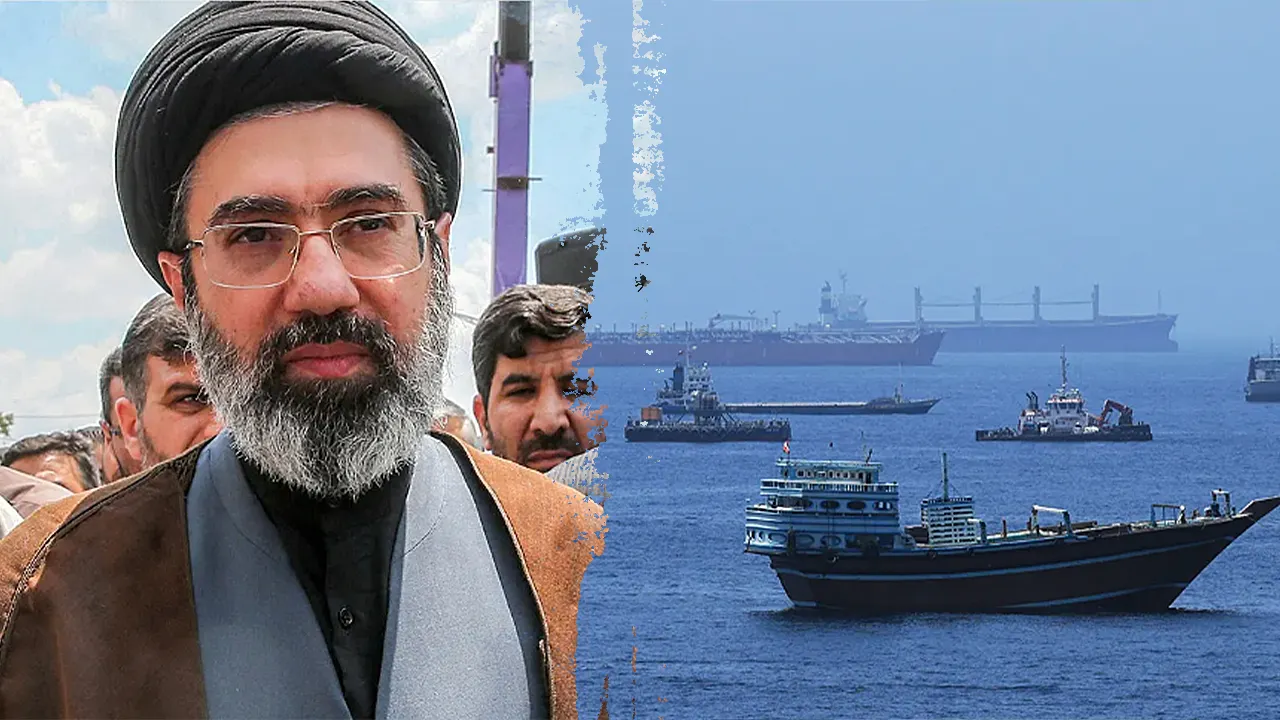

Recent tensions between Iran and the United States have escalated once again, with U.S. airstrikes targeting Iranian interests in the strategic Strait of Hormuz. Experts suggest that the Iranian government, led by Supreme Leader Mojtaba Khamenei, is more focused on maintaining a state of conflict with external forces than fostering peace, largely to distract its domestic population from increasing unrest and economic hardship. This ongoing strife underscores the complexity of U.S.-Iran relations as both countries navigate a landscape marred by distrust and hostility.
| Article Subheadings |
|---|
| 1) Rising Tensions in the Strait of Hormuz |
| 2) The Role of Internal Unrest in Iranian Policy |
| 3) U.S. Strategy and Iranian Resistance |
| 4) The International Reactions to Iranian Actions |
| 5) Looking Ahead: Future Prospects for Resolution |
Rising Tensions in the Strait of Hormuz
The Strait of Hormuz has become a flashpoint for conflict between Iran and the United States, especially in the wake of recent international military actions. The U.S. has conducted a series of airstrikes against Iranian assets following a brief pause in military hostilities, signaling a resurgence in tensions that many had hoped would subside. The geography of the strait is critical, as it connects the Persian Gulf with the Gulf of Oman, and significant percentages of the world’s oil supply transit through it. Decisions made here have far-reaching implications not just for the U.S. and Iran, but for global energy markets and international maritime security.
The U.S. military’s increased presence in the region aims to ensure freedom of navigation for international shipping, countering what they perceive as Iranian aggression that has included targeting commercial vessels. U.S. officials cite these actions as violations of international norms, heightening the stakes for both nations involved. As airstrikes and counter-strikes continue, international observers warn of the potential for broader military confrontation, which could draw in allies and adversaries alike.
The Role of Internal Unrest in Iranian Policy
Amid this backdrop of external conflict, internal factors play a crucial role in shaping Iranian policy. Experts emphasize that the Iranian regime is more worried about its domestic population than about U.S. military actions. As noted by political activist Dr. Majid Sadeghpour, widespread dissatisfaction over economic hardships—exacerbated by sanctions and mismanagement—has led to significant public uprisings in recent years. Tehran’s leadership appears to be leveraging external conflict as a diversionary tactic to redirect attention away from growing discontent at home.
These uprisings have often been met with severe governmental crackdowns, including lethal force and mass arrests, further fueling a cycle of repression and resistance. The Iranian populace is increasingly questioning the regime’s legitimacy, and many observers argue that the regime’s persistence in conflict with external adversaries might be an attempt to cement its rule by emphasizing nationalistic sentiments and external threats. The complexity of internal and external pressures underscores how intertwined these dynamics are in shaping Iran’s posture on the world stage.
U.S. Strategy and Iranian Resistance
The evolving strategy of the United States regarding Iran seeks to encourage regime change through fostering a more empowered Iranian populace. Some officials believe that a focus on supporting internal opposition groups could help create an environment conducive to reform. In recent statements, Dr. Sadeghpour suggested that the U.S. must prioritize the needs and aspirations of the Iranian people, as prolonged conflict could allow the regime to sustain its grip on power despite growing internal pressures.
However, officials have also cautioned that the Iranian leadership is adept at using conflict with the U.S. as a unifying narrative. The U.S. military’s presence and actions, such as airstrikes, could inadvertently deepen this narrative of victimization felt by many within Iran. Analysts argue that changes to U.S. policy should be approached with caution, keeping in mind the potential repercussions for both Iranian civilians and the long-term stability of the region.
The International Reactions to Iranian Actions
International reactions to the unfolding situation have been diverse, with various countries expressing their stance regarding Iran’s actions in the Strait of Hormuz. The consensus among Western nations has generally been one of condemnation, viewing Iran’s military provocations as destabilizing. The U.S. has rallied support from its allies, aiming to build a united front against what they term as escalating Iranian aggression. Regional players, particularly Gulf states, remain wary of Tehran’s ambitions and are closely monitoring developments, especially concerning oil shipments that are vital to their economies.
Furthermore, there are concerns from other economic powers regarding the implications of instability in the region on global energy prices. As Iran continues to defy international norms by targeting commercial vessels, the resilience of multilateral maritime agreements is put to the test. Such actions not only risk increasing military tensions but could also lead to further economic repercussions that would affect countries far beyond the Middle East.
Looking Ahead: Future Prospects for Resolution
Looking ahead, the prospects for resolution between the U.S. and Iran appear dim as both sides remain entrenched in their respective positions. While diplomatic channels have occasionally opened, they have consistently faltered, leaving military confrontation as a lingering possibility. Observers increasingly argue that the political landscape within Iran and the frustrations of its population could prove critical in breaking the cycle of conflict. If the Iranian public can find avenues for protest and dissent, they may become empowered to demand more significant changes to their regime.
Experts advocate for a diplomatic approach that not only focuses on preventing Iran from acquiring nuclear capabilities but also addresses the humanitarian needs and aspirations of the Iranian people. A strategy rooted in engagement rather than isolation may open doors for potential negotiations and ultimately a path toward de-escalation. It remains to be seen whether the leadership in Tehran will view such diplomacy as viable or whether they will continue to prioritize confrontation, leaving a fragile peace hanging by a thread.
| No. | Key Points |
|---|---|
| 1 | Tensions have escalated between the U.S. and Iran, particularly in the strategic Strait of Hormuz. |
| 2 | Economic hardships and internal unrest drive Iranian policy and strategies towards external conflict. |
| 3 | The U.S. aims to support Iranian citizens over the regime, which many believe is vital for long-term change. |
| 4 | International condemnation continues regarding Iran’s provocations in the Strait of Hormuz. |
| 5 | The future outlook for U.S.-Iran relations remains uncertain, with military confrontation a lingering possibility. |
Summary
In summary, the ongoing confrontation between the U.S. and Iran reflects deeper issues both within Iranian society and the broader geopolitical landscape. Recognizing the intricate relationship between external conflict and internal unrest is essential for understanding Iran’s strategic choices. As the situation unfolds, there are calls for a re-evaluation of U.S. policies that could pivot towards supporting the Iranian populace in their aspirations for change and reform.
Frequently Asked Questions
Question: What are the main causes of unrest in Iran?
The primary causes of unrest in Iran include economic mismanagement, high inflation, and strict political governance, which have led to widespread dissatisfaction among the population.
Question: How has the U.S. responded to Iranian actions in the Strait of Hormuz?
The U.S. has conducted airstrikes against Iranian interests and increased its military presence in the region, aimed at ensuring freedom of navigation and deterring further Iranian aggression.
Question: What is the significance of the Strait of Hormuz?
The Strait of Hormuz is a vital waterway, with a significant portion of the world’s oil supply transiting through it, making its security critical for global energy stability.
