

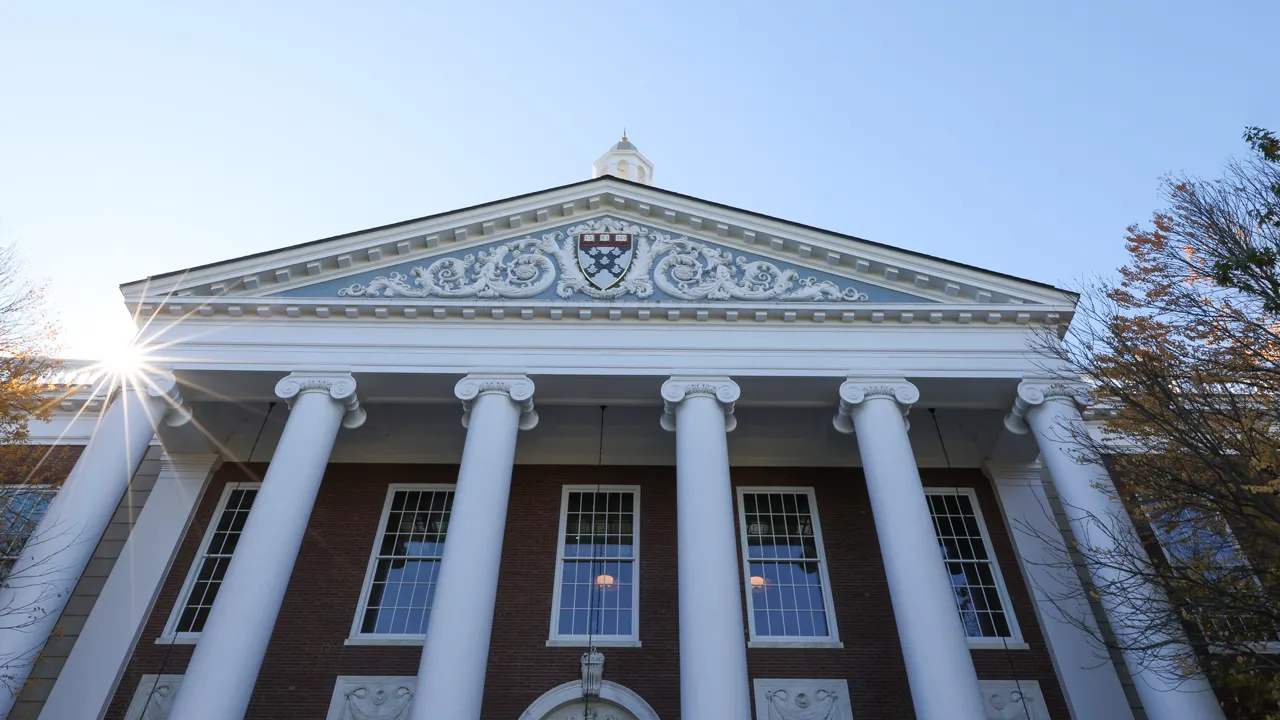

Recent incidents at prestigious Ivy League universities, particularly Harvard, have underscored the vulnerability of these institutions to cyberattacks. Notably, Harvard’s database containing sensitive information about alumni, donors, faculty, and students was compromised due to a phone phishing attack. As these universities grapple with repeated security breaches, they face growing scrutiny regarding their data protection measures and responses to such threats.
| Article Subheadings |
|---|
| 1) A Phone Phishing Attack Unlocks Harvard’s Data |
| 2) Ivy League Schools Are in a Growing Crisis |
| 3) Patterns Emerging in Cyberattacks |
| 4) Protecting Personal Information in a Digital Age |
| 5) Steps to Enhance Cybersecurity Awareness |
A Phone Phishing Attack Unlocks Harvard’s Data
Harvard University recently confirmed that its data systems tied to alumni, donors, faculty, and some students were infiltrated by an unauthorized individual following a successful phone phishing attack. The breach was discovered on November 18, 2025, when university officials noted suspicious activity on their databases. An official notification released by the university outlined that this intrusion stemmed from an attack through which someone was deceived into providing access credentials over the phone.
Harvard’s Alumni Affairs and Development systems house vital information, including personal contact details and donation histories. Such data is particularly precious for the university, which consistently raises over a billion dollars annually for various initiatives. Consequently, the breach not only jeopardizes individual privacy but also has potential implications for future fundraising efforts.
This recent incident comes on the heels of another investigation that was launched in October, concerning a data breach potentially linked to a larger hacking campaign aimed at Oracle’s customers. This previous incident emphasized Harvard’s position in a high-risk environment, illustrating the university’s challenges in navigating the cybersecurity landscape.
Ivy League Schools Are in a Growing Crisis
Harvard’s security challenges mirror a larger trend among Ivy League institutions, which have faced a series of alarming breaches recently. For example, Princeton University reported on November 15 that a database associated with alumni and donor records had been compromised, while the University of Pennsylvania experienced unauthorized access to its systems connected to development and alumni initiatives as early as October 31. In June, Columbia University faced a major breach that exposed the personal information of approximately 870,000 individuals, including students and applicants.
These incidents reflect a concerning reality: universities are becoming predictable targets for attackers. They often hold extensive records related to identities, finances, and personal histories, all of which can be exploited. Moreover, the vast IT networks inherent in these institutions can present vulnerabilities, allowing a single error or lapse in judgment to open doors for cybercriminals.
In responding to these breaches, it is essential to note the commonalities among the institutions affected. The unrelenting nature of these cyberattacks raises questions about the systemic weaknesses that attackers are targeting and whether sufficient measures are in place to thwart these intrusions.
Patterns Emerging in Cyberattacks
The recent wave of breaches across Ivy League campuses serves to highlight a troubling trend in the cybersecurity landscape. The frequency and coordinated nature of these attacks suggest that hackers are systematically identifying weaknesses within these prestigious institutions. They are leveraging the complex web of identities stored in university databases as an entry point to gain sensitive personal data.
The consistent success of these attacks indicates that criminals are not only opportunistic but also strategic, often mapping out the vulnerabilities present within these sensitive systems. By exploiting shared flaws, cybercriminals are able to execute phishing scams that leverage social engineering techniques to manipulate personnel into revealing login information or other critical data.
Educational institutions, imbued with a sense of trust and reliance on the integrity of their systems, face an uphill battle in re-establishing confidence among alumni and donors. As these breaches unfold, universities must not only respond effectively but also implement comprehensive strategies to assess vulnerabilities, enhance defenses, and establish protocols for breach detection and prevention.
Protecting Personal Information in a Digital Age
With the alarming frequency of data breaches, individuals affiliated with institutions like Harvard must take proactive steps to protect their personal information. While universities are responsible for safeguarding their data, individuals can enhance their security proprioceptively. The internet is rife with threats, and taking measures to protect one’s personal data has never been more crucial.
Utilizing two-factor authentication (2FA) is one of the simplest yet most effective means of promoting security. By requiring an additional verification step beyond a username and password, organizations can add a significant layer of protection against unauthorized access. This practice is essential, especially in light of recent breaches where passwords alone are insufficient to block attackers.
Additionally, adopting password managers can help mitigate risks associated with using weak or reused passwords across different platforms. Such tools create and store strong, unique passwords for each account, minimizing the likelihood of multiple systems being compromised in a single breach.
Steps to Enhance Cybersecurity Awareness
In light of these recent events, a concerted effort is needed to foster cybersecurity awareness among individuals. Here are several actionable steps that can empower individuals to protect their information from potential exploitation:
1) Turn on two-factor authentication (2FA): This adds an extra layer of security to online accounts, requiring more than just a password to access sensitive data.
2) Use a password manager: A password manager generates and stores unique passwords, helping to prevent the cascade of failed security stemming from one compromised credential.
3) Reduce the personal info floating around: Consumers can request takedowns from data broker websites and minimize what is publicly accessible online.
4) Be cautious with emails, texts, and calls: Many phishing attempts appear convincing and deceptively authentic. It is critical to verify communications through official channels.
5) Keep your devices fully updated: Regular software updates patch vulnerabilities that attackers often exploit.
6) Separate your online identities: Utilizing different email aliases for different functions can limit the fallout from a single compromised account.
7) Use an identity theft protection service: Such services can monitor your information across the web and provide alerts in case of unauthorized activity.
| No. | Key Points |
|---|---|
| 1 | Harvard’s database breach highlights vulnerabilities in Ivy League cybersecurity measures. |
| 2 | Phishing attacks are increasingly being utilized by cybercriminals to infiltrate university systems. |
| 3 | Recent breaches indicate a pattern of systematic targeting by hackers across institutions. |
| 4 | Personal cybersecurity measures are essential to mitigate risks amidst these breaches. |
| 5 | Proactive security steps, such as 2FA and password managers, are effective in protecting personal data. |
Summary
The recent breach at Harvard University serves as a stark reminder of the vulnerabilities faced by even the most prestigious educational institutions. As multiple Ivy League schools navigate similar paths of insecurity, the need for robust cybersecurity measures becomes increasingly clear. By prioritizing effective defenses and increasing awareness of personal data protection, these institutions can hope to rebuild trust and fortify their defenses against future cyber threats.
Frequently Asked Questions
Question: How did the breach at Harvard occur?
The breach occurred due to a phone phishing attack, where an unauthorized individual tricked someone from Harvard into providing access credentials to their systems.
Question: What information was compromised in the breach?
The compromised information included personal contact details, donation histories, and records related to fundraising and alumni operations.
Question: What steps can individuals take to protect their personal information?
Individuals can implement two-factor authentication, use password managers, verify communications, and maintain regular software updates to enhance their personal cybersecurity.
