

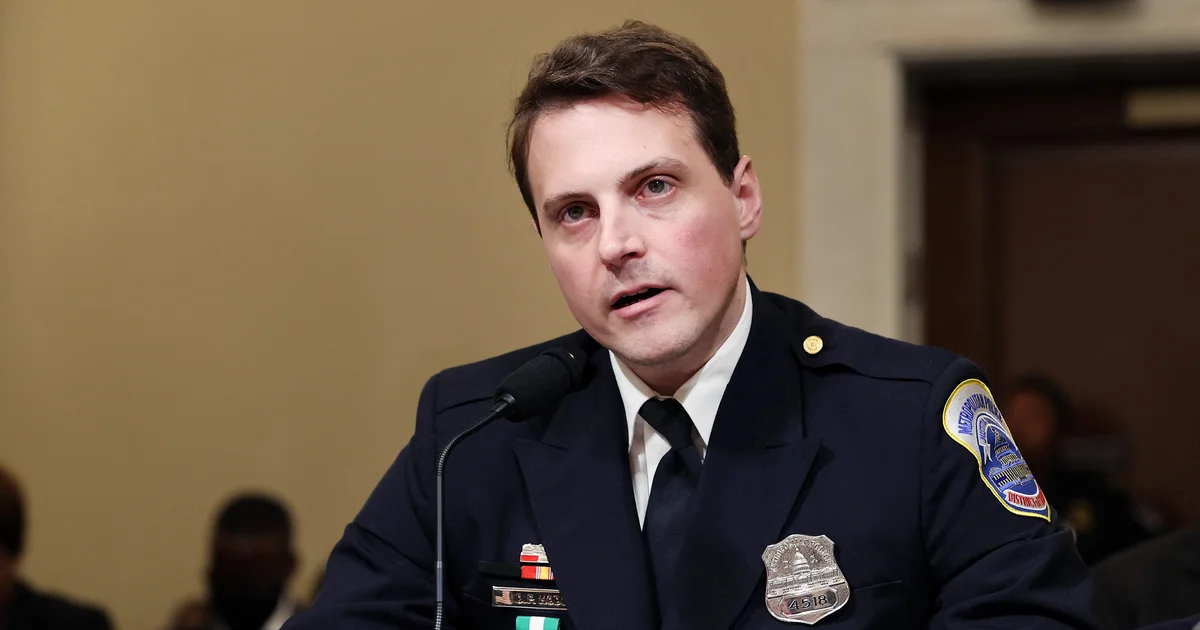

In an increasingly polarized political climate, Daniel Hodges, a Washington, D.C. police officer, has emerged as a significant voice regarding the events of January 6, 2021. During his off-duty hours, he has become an outspoken advocate against the efforts to downplay the Capitol insurrection’s severity. His testimonies before various congressional hearings highlight the ongoing challenges faced by law enforcement after the events of that day, as well as the pervasive misinformation surrounding it.
| Article Subheadings |
|---|
| 1) The Challenge of Advocacy |
| 2) Testimony Under Fire |
| 3) The Response from Lawmakers |
| 4) The Dangers of Misinformation |
| 5) A Personal Mission |
The Challenge of Advocacy
As an introverted police officer, Daniel Hodges never imagined he would become a prominent public advocate addressing the ramifications of the January 6 Capitol siege. Yet, this year, he has stepped into the spotlight to counteract prevailing narratives that downplay the insurrection’s impact. With a mission to ensure that the truth about the events of that day is acknowledged, Hodges has emerged as a critical voice in ongoing discussions about police safety and public accountability. His personal experience—being among the more than 140 officers injured during the attack—provides him a unique perspective that many lawmakers rarely encounter.
Testimony Under Fire
Hodges has faced significant stress as a result of his dual roles as a police officer and an advocate. During October hearings in the Senate, he witnessed an uncomfortable moment when some fellow witnesses expressed support for former President Donald Trump’s pardons of those charged for their roles in the Capitol riot, including individuals who physically assaulted him. Such moments heighten the emotional weight of his testimony, as he strives to convey the gravity of his experiences and the implications of the events of January 6. Through his engagement, he aims to serve as a counterbalance to prevailing narratives that seek to minimize the violence inflicted upon law enforcement officers that day.
The Response from Lawmakers
Daniel Hodges‘ testimonies have not only highlighted his personal experience but also exposed the inconsistent positions of various lawmakers, particularly among Republicans, concerning police conduct and public safety. As a designated witness during Democratic-led hearings, Hodges has underscored the contradiction between calls for police protection and the rhetoric employed by some political figures that undermines the seriousness of the attack on law enforcement on January 6. Notably, Senator Peter Welch recognized the powerful narrative presented by Hodges, acknowledging the controlled manner in which he relayed his traumatic story, despite the anguish he may harbor.
The Dangers of Misinformation
The prevailing political discourse on January 6 has been plagued by misinformation, thereby complicating Hodges’s efforts to raise awareness about the repercussions of that day. Rep. Bennie Thompson emphasized the importance of Hodges’s voice amid the lies perpetuated about the insurrection. By directly addressing the myths surrounding January 6, Hodges seeks to dispel the hazy narratives that have emerged, challenging the perception that the insurrection was anything less than an attack on democracy. Nevertheless, he acknowledges that multiple hurdles remain, including aggressive pushback from some quarters that perpetuate the false narratives surrounding the events.
A Personal Mission
Amid the tensions and challenges he faces, Hodges remains unwavering in his commitment to accountability and justice for the victims of the insurrection. He finds strength not only in his role as a police officer but also in solidarity with fellow officers, including former Capitol Police officer Harry Dunn. Together, they strive to ensure that the realities of the January 6 attack are accurately told and recognized. In candid discussions about his mission, Hodges reflects on the impossibility of changing everyone’s mind. He pointedly notes the presence of persistent conspiracy theories, likening the challenge of convincing deniers of January 6’s violence to the difficulty in addressing beliefs like the moon landing being faked or denial of the Holocaust.
| No. | Key Points |
|---|---|
| 1 | Daniel Hodges testifies about the impact of the January 6 insurrection as a police officer involved in the incident. |
| 2 | His advocacy has been challenged by lawmakers who downplay the severity of the Capitol attack. |
| 3 | Hodges faces emotional turmoil but remains committed to highlighting the truth of January 6. |
| 4 | Misinformation surrounding the events complicates the narrative and impedes progress toward accountability. |
| 5 | There is a significant cultural divide affecting public perception of the January 6 events and their implications. |
Summary
Daniel Hodges’s experiences during and after the January 6 insurrection underscore the powerful role of personal narratives in shaping public discourse. His courageous testimony amid political pressure illustrates the vital need for accountability and honesty in addressing the impacts of that day. As misinformation continues to cloud discussions, Hodges’s commitment to truth not only honors his own experiences but also serves as a rallying cry for justice and understanding amid a fractured political landscape.
Frequently Asked Questions
Question: Who is Daniel Hodges?
Daniel Hodges is a police officer in Washington, D.C., who was injured during the January 6 Capitol insurrection and has since become a prominent advocate addressing the impacts of that day.
Question: What role has Hodges played in congressional hearings?
Hodges has served as a key witness in congressional hearings, providing testimony about the violence of January 6 and challenging lawmakers who downplay the severity of the attack.
Question: How does Hodges respond to the misinformation surrounding January 6?
Hodges actively works to combat misinformation by sharing his personal experiences and highlighting the realities of that day, despite facing challenges from those who propagate false narratives.
