

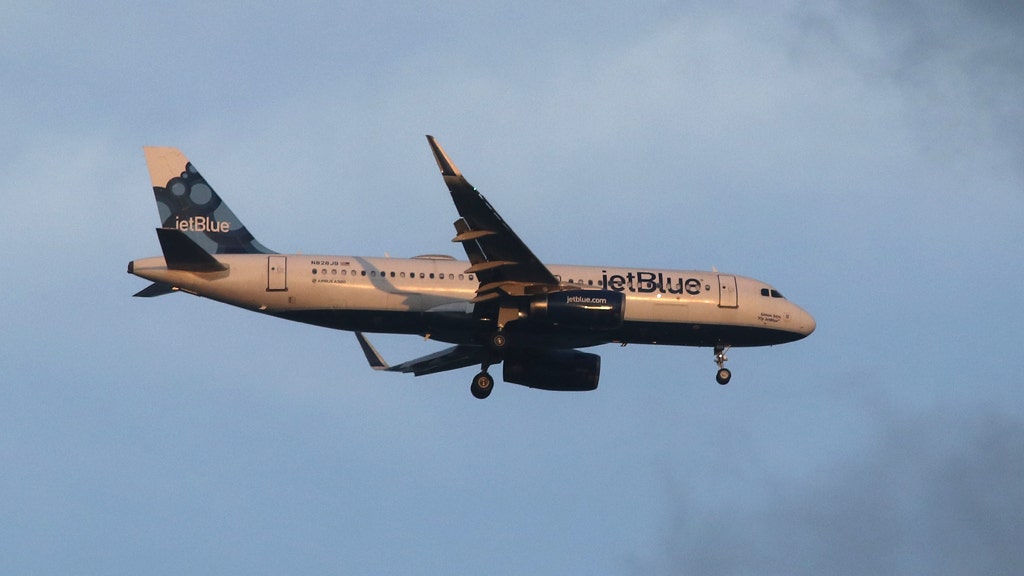

On a recent flight from Curaçao to New York, a JetBlue aircraft narrowly avoided a midair collision with a U.S. Air Force tanker jet in Venezuelan airspace. The incident, which occurred shortly after takeoff, involved evasive maneuvers by the JetBlue pilot to maintain a safe distance from the military aircraft, which reportedly had its transponder turned off. U.S. Southern Command is currently reviewing the circumstances surrounding this incident, amid heightened tensions in the region.
| Article Subheadings |
|---|
| 1) Incident Overview and Initial Response |
| 2) The Role of Transponders in Air Safety |
| 3) Air Traffic Control’s Perspective |
| 4) Implications for Military and Civil Aviation |
| 5) Future of U.S. Military Operations in the Region |
Incident Overview and Initial Response
The incident involving JetBlue Flight 1112 took place on a Friday as it ascended 20 minutes into its journey from Curaçao to New York. Just north of Curaçao, a U.S. Air Force tanker jet flew directly into the flight’s path, forcing the JetBlue crew to implement evasive actions to avoid collision. According to the JetBlue pilot’s account, the Air Force tanker did not have its transponder activated, drastically complicating the situation.
Describing the event, the pilot noted, “They passed directly in our flight path,” indicating that the military aircraft crossed their trajectory approximately 2-3 miles away. This encounter raised immediate safety concerns among the crew and left passengers on board startled. JetBlue has publicly commended its crew for their swift and effective actions to report the incident, emphasizing that passenger safety remains the airline’s top priority.
The Role of Transponders in Air Safety
Transponders are critical devices used in aviation that transmit an aircraft’s position and altitude to radar systems. By failing to activate their transponder, the U.S. Air Force tanker not only jeopardized the safety of the JetBlue flight but also created a potential regulatory issue for military operations. An aviation safety network highlighted the severity of the event by stating that such actions endanger both civilian and military aviation.
In the aftermath of the incident, aviation experts have called for a review of transponder usage protocols, especially among military aircraft operating in regions where civilian flights are common. The U.S. Southern Command acknowledged the importance of safety and the need for stringent adherence to established flight protocols in all air operations.
Air Traffic Control’s Perspective
The air traffic controller on duty during the incident confirmed in a recording that there were no indications of the military aircraft on their radar. This lack of visibility highlighted a significant gap in communication and awareness, as the pilot had to rely on their own observations to take evasive actions. “Yes, I don’t have anything on my scope … you are totally right sir,” the controller acknowledged, highlighting the unpreparedness that characterized the encounter.
The incident raises crucial questions about coordination between military and civilian air traffic control, particularly in congested airspaces. Enhanced communication protocols may be necessary to prevent future occurrences, ensuring that both civilian and military aircraft operate safely and effectively within shared airspace.
Implications for Military and Civil Aviation
This incident occurs against the backdrop of rising tensions in the Caribbean region, particularly in relation to U.S. military maneuvers in proximity to Venezuela. Tensions have been escalating for years, as evidenced by heightened military presence and increased air activity. The Federal Aviation Administration had previously alerted airlines to a “potentially hazardous situation” due to military activity in the area, suggesting that the risks associated with flying close to Venezuela have been acknowledged at high levels.
The response from both JetBlue and U.S. Southern Command reflects a growing recognition that military operations must consider civil aviation safety in their planning and execution. As military aircraft engage in operations over sensitive zones, including towards Venezuela, the ramifications of this incident will likely prompt both sectors to reevaluate their practices to minimize risk.
Future of U.S. Military Operations in the Region
The tension between the U.S. and Venezuela reflects a deeper geopolitical struggle, with President Trump’s administration significantly increasing military focus in the Caribbean. As U.S. forces operate with greater frequency in the region, questions regarding the safety of civilian aircraft will undoubtedly arise. U.S. Southern Command has stated that they are currently analyzing this incident as part of a broader review of military operations in the area.
Col. Emanuel L. Ortiz, public affairs chief of U.S. Southern Command, emphasized safety as a priority, noting the importance of adhering to established procedures and applicable airspace requirements. With existing tensions that include threats aimed at Venezuelan officials, the military’s operational transparency and accountability will be critical to maintaining air safety and preventing future incidents like that of JetBlue Flight 1112.
| No. | Key Points |
|---|---|
| 1 | JetBlue Flight 1112 faced a potential midair collision with a U.S. Air Force tanker. |
| 2 | Failure to activate military aircraft transponder complicated incident response. |
| 3 | Air traffic controllers lacked visibility on radar, raising serious safety concerns. |
| 4 | Increased military activity in the Caribbean coincides with rising geopolitical tensions. |
| 5 | U.S. Southern Command is reviewing the incident in light of safety protocols. |
Summary
The incident involving JetBlue Flight 1112 serves as a stark reminder of the risks associated with military operations in civilian airspace. As U.S. military presence escalates in the Caribbean amid ongoing tensions with Venezuela, the aircraft’s transponder issue highlights the need for improved coordination and safety protocols between military and civilian aviation authorities. This event underscores the critical importance of maintaining transparency and prioritizing safety to prevent potential tragedies in the sky.
Frequently Asked Questions
Question: What happened during the JetBlue flight incident?
The JetBlue Flight 1112, en route from Curaçao to New York, narrowly avoided a collision with a U.S. Air Force tanker that had its transponder turned off, forcing the pilot to take evasive action.
Question: Why is the transponder important for aircraft?
A transponder allows air traffic control to track an aircraft’s altitude and location, enhancing safety and situational awareness. Without it, aircraft may not be visible on radar, posing significant risks.
Question: What is being done about the incident?
U.S. Southern Command is reviewing the incident to determine the facts and ensure compliance with safety protocols. JetBlue has also reported the incident to federal authorities for investigation.
