

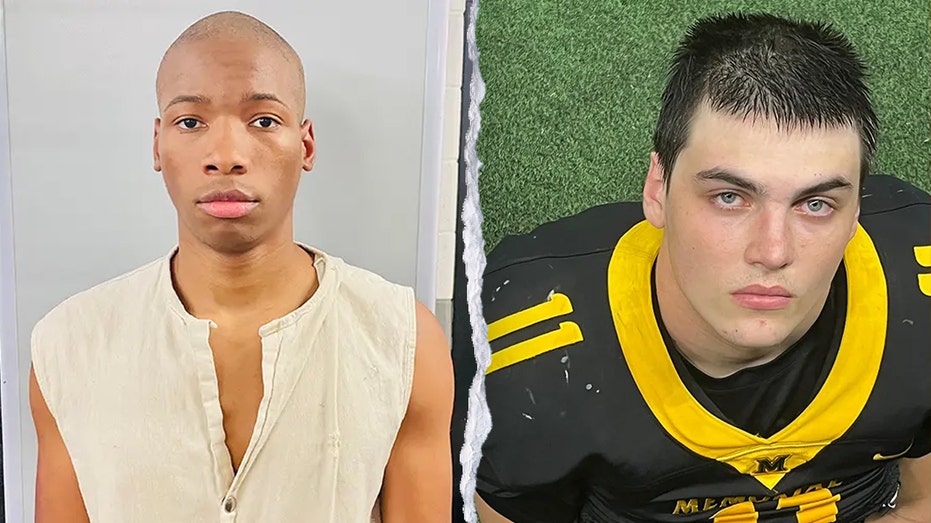

Karmelo Anthony’s bid for a new murder trial has centered on evidence prosecutors say was excluded from the original proceedings, including allegations that he showed an interest in knives and had frightened a former girlfriend. His defense argues that other excluded material could have supported his self-defense claim and that courtroom restrictions violated his constitutional rights. Retired Judge Michael Chitty is expected to rule by Monday on the motion, which could erase Anthony’s conviction and 35-year sentence.
The hearing followed the removal of Judge John Roach from the case after another judge found that his public comments created a reasonable question about his impartiality. Anthony, now 19, was convicted in June in the fatal stabbing of 17-year-old Austin Metcalf during an altercation at a Frisco track meet.
| 1) | Evidence prosecutors say was withheld |
| 2) | Defense claims involving self-defense evidence |
| 3) | Judge removal and courtroom access dispute |
| 4) | The deadline and possible legal outcomes |
| 5) | What happens if the motion is denied |
Evidence prosecutors say was withheld
Lead prosecutor Bill Wirske told the new-trial hearing that Anthony’s former girlfriend went to his school on the morning of the stabbing and said she was afraid of him. Wirske also described text messages and other material that prosecutors say reflected Anthony’s interest in violence and knives. None of that evidence was presented to the jury that convicted Anthony.
Prosecutors said Anthony’s original defense team reached a verbal agreement with the state to keep character evidence involving Anthony, Austin Metcalf and Austin’s brother, Hunter Metcalf, out of the trial. The allegations were raised during the hearing, but the court had not made findings establishing them as fact.
Defense claims involving self-defense evidence
Anthony’s new attorneys dispute the prosecution’s account of the agreement. They argue that prosecutors did not honor the understanding and that the dispute affected Anthony’s decision not to testify. The defense says jurors should have heard school records, social-media posts and videos concerning alleged aggressive conduct by Austin and Hunter Metcalf.
The proposed evidence included allegations of racist language, prior fights and disciplinary incidents. Defense attorneys contend those materials could have helped Anthony explain why he believed he faced a threat and supported his self-defense claim. The original jury did not hear the material, and the allegations remain contested.
Judge removal and courtroom access dispute
Judge Sid Harle removed Roach from Anthony’s remaining trial-court proceedings after Roach said in a post-trial television interview that the jury “got it right” and defended several rulings. Harle concluded that a reasonable outside observer could question Roach’s impartiality. The removal does not overturn Anthony’s conviction or sentence.
The defense also argues that the trial was not sufficiently open to the public. Cameras were barred, and only 27 seats were available. Former lead defense attorney Mike Howard testified that lawyers and Roach held more than a dozen off-the-record meetings before trial and used paper filings rather than formal motions because of security concerns. Prosecutors cited threats, doxxing and disruption risks, while Howard said no Sixth Amendment waiver was placed on the record.
The deadline and possible legal outcomes
Retired District Judge Michael Chitty is reviewing the motion after Anthony filed it on July 7. Under Texas rules, a judge generally must rule on a new-trial motion within 75 days of sentencing. Anthony was sentenced on June 9, making Monday the deadline described during the hearing.
If Chitty grants the request, the conviction and sentence would be set aside. Anthony could then face another jury trial or pursue a negotiated plea. Criminal appellate lawyer Brett Ordiway said such motions are difficult to win, even though they can provide a faster opportunity to address alleged trial errors.
“It’s just one step in a long journey. It doesn’t really change the facts.”
The statement came from Austin Metcalf’s father, Jeff Metcalf, who said the judge’s removal did not change his view of the evidence presented at trial.
What happens if the motion is denied
If Chitty does not grant the motion by Monday, it will be denied automatically under the stated Texas procedure. Anthony’s direct appeal would then continue before a three-judge panel of the Texas Fifth Court of Appeals in Dallas.
That appeal is separate from the new-trial request and may take a year or longer. It generally examines legal errors raised and decided in the trial court, while the new-trial motion allows the trial judge to address alleged problems soon after the conviction. The defense has challenged jury instructions, courtroom access and the handling of evidence concerning self-defense.
| Number | Key Point |
|---|---|
| 1 | Prosecutors cited excluded evidence involving alleged knife interest and a former girlfriend’s fear. |
| 2 | The defense says excluded records and videos could have supported self-defense. |
| 3 | Roach was removed after comments raised questions about his impartiality. |
| 4 | Chitty faces a Monday deadline on the new-trial motion. |
| 5 | A denial would leave the conviction in place while the direct appeal proceeds. |
Summary
The hearing presents competing accounts of what evidence and agreements shaped Anthony’s trial. Prosecutors say the original defense accepted limits on character evidence, while the new defense argues that disputed terms influenced Anthony’s decision not to testify and prevented jurors from fully considering self-defense. The immediate issue is whether Chitty will grant a new trial before the statutory deadline. Regardless of the ruling, the case will continue through either renewed trial proceedings or the appellate process.
Frequently Asked Questions
Why is Karmelo Anthony seeking a new trial?
His attorneys challenge the handling of evidence, courtroom-access restrictions, jury instructions and an alleged disagreement over whether prosecutors could introduce character evidence if Anthony testified.
What is the deadline for the ruling?
The stated Texas deadline is Monday, based on the requirement that a new-trial motion be decided within 75 days of Anthony’s June 9 sentencing.
What would happen if the motion is granted?
Anthony’s conviction and 35-year sentence would be set aside, allowing prosecutors to pursue another jury trial or potentially negotiate a plea agreement.
What if the motion is denied?
The denial would leave the conviction in place while Anthony’s direct appeal proceeds before the Texas Fifth Court of Appeals.
