

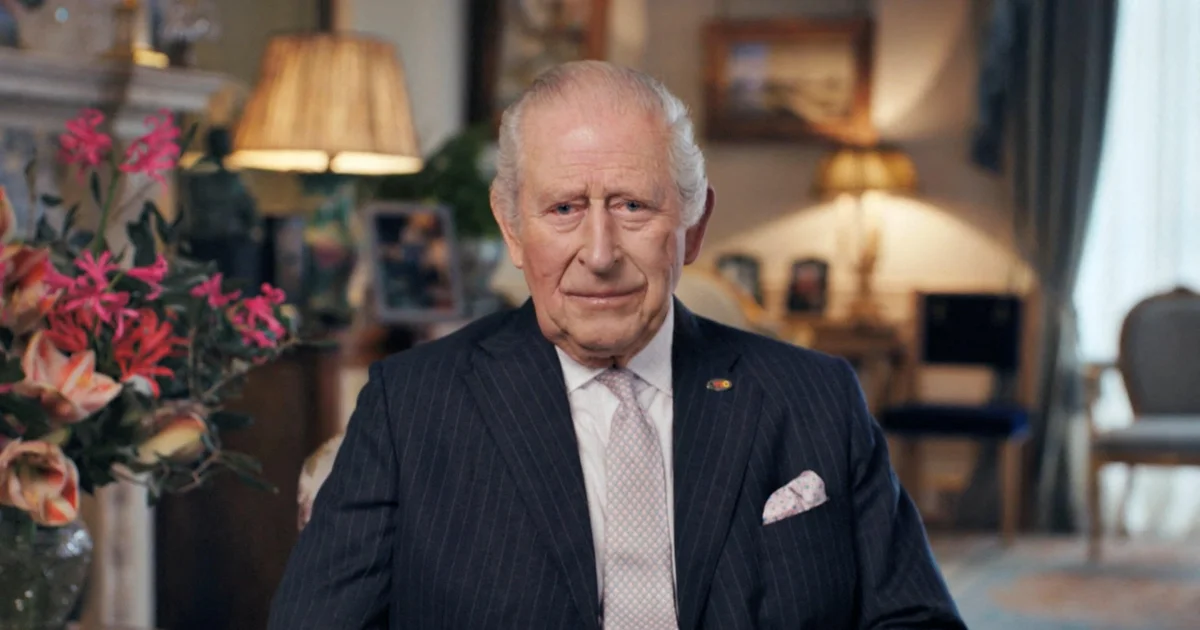

In a recent televised address, King Charles III shared encouraging news regarding his cancer treatment, announcing a reduction in the intensity of his treatment due to early diagnosis and effective medical intervention. The 77-year-old monarch emphasized the importance of cancer screenings and encouraged the public to prioritize their health. This message comes as part of his ongoing efforts to raise awareness about the critical role of early detection in successful cancer treatment.
| Article Subheadings |
|---|
| 1) King’s Health Update: A Positive Turn |
| 2) The Importance of Early Detection |
| 3) A Departure from Royal Traditions |
| 4) Engaging the Public in Cancer Awareness |
| 5) Reflections on Personal Experience |
King’s Health Update: A Positive Turn
In a recent broadcast, King Charles III revealed that his cancer treatment regime will be less intensive in the coming year, attributing this positive development to early diagnosis and compliance with medical guidance. In his statement, which was aired across British television, the King reflected on his journey over the past 22 months since the announcement of his cancer diagnosis. At 77 years old, the monarch’s experience presents a vital case study in the importance of timely medical intervention in cancer-related treatment. The King’s message serves as an inspiration for many as he continues to lead a life full of purpose and engagement in public duties.
The Importance of Early Detection
In his message, King Charles underscored the significance of early diagnosis in cancer treatment, stating, “Early diagnosis quite simply saves lives.” This statement aligns with health data indicating that cancers detected in their early stages often yield much higher survival rates. For example, bowel cancer, when identified early, has a survival rate of approximately 90% over five years; a stark contrast to just 10% when diagnosed at a late stage. King Charles noted that at least 9 million people in the United Kingdom are not up to date with their recommended cancer screenings, suggesting that missed opportunities for early intervention could have dire consequences. The emphasis on screening reflects a broader public health concern and highlights the importance of proactive health measures.
A Departure from Royal Traditions
Traditionally, the British royal family has maintained a level of privacy about their health issues, considering them personal matters. King Charles’ decision to publicly disclose his cancer diagnosis represents a significant shift in this regard. By choosing to speak openly about his experience, he aims to prevent speculation and foster understanding about cancer treatment among the public. Buckingham Palace stated that this initiative is partly intended to assist public knowledge and support for those affected by cancer around the world. This approach not only humanizes the monarchy but also aligns with contemporary expectations for transparency from public figures, especially regarding health issues.
Engaging the Public in Cancer Awareness
Following the King’s announcement of his diagnosis, there was a notable surge in public interest regarding cancer screenings. Research conducted by Cancer Research UK indicated a 33% increase in web traffic to their site as individuals sought information related to cancer symptoms and the necessity of screenings. This uptick serves as an indicator of the impact that high-profile figures, like King Charles, can have on public health initiatives. The campaign surrounding cancer awareness not only informs individuals but also encourages them to prioritize their health. Charles has utilized his personal experience to highlight the urgency of getting screened, resulting in greater dialogue about cancer detection and early intervention.
Reflections on Personal Experience
During his recorded address, King Charles also reflected on the emotional challenges associated with a cancer diagnosis. He acknowledged his own feelings of distress upon learning of his condition and expressed empathy for others facing similar battles. In April of the previous year, after a two-month hiatus from public engagements to focus on his treatment, the King returned to public duties with a visit to a cancer treatment center in London, where he interacted with staff and patients. This visit not only demonstrated his commitment to raising awareness about cancer but also served as a powerful reminder of resilience in the face of adversity.
| No. | Key Points |
|---|---|
| 1 | King Charles III announced a reduction in his cancer treatment due to early diagnosis and medical intervention. |
| 2 | The King emphasized the importance of early cancer detection, which increases survival rates significantly. |
| 3 | His public disclosure marks a shift from the traditional royal approach of keeping health matters private. |
| 4 | Public engagement in cancer awareness increased following his announcement, reflecting his influence on health initiatives. |
| 5 | Charles shared reflections on his personal journey and his efforts to empathize with fellow cancer patients. |
Summary
In conclusion, King Charles III’s recent revelation about his health status serves not only to inform the public but also to foster a culture of proactive health engagement. His emphasis on early cancer detection highlights an urgent need for individuals to participate in regular screenings, potentially saving lives. By breaking the traditional silence surrounding royal health issues, the King has set a compelling example that underscores the importance of transparency and compassionate leadership in public health matters.
Frequently Asked Questions
Question: What type of cancer is King Charles III being treated for?
The specific type of cancer King Charles III has been treated for has not been disclosed; however, officials have mentioned that it was discovered following treatment for an enlarged prostate.
Question: Why is early detection important in cancer treatment?
Early detection of cancer is critical because it increases the likelihood of successful treatment and significantly improves survival rates. Cancers identified at an early stage often have a much better prognosis compared to those diagnosed later.
Question: How has the King’s announcement impacted public awareness about cancer screenings?
Following King Charles III’s announcement, public engagement with cancer awareness and screening resources surged, evidenced by a marked increase in web traffic to cancer information sites, signifying heightened public interest and concern.
