

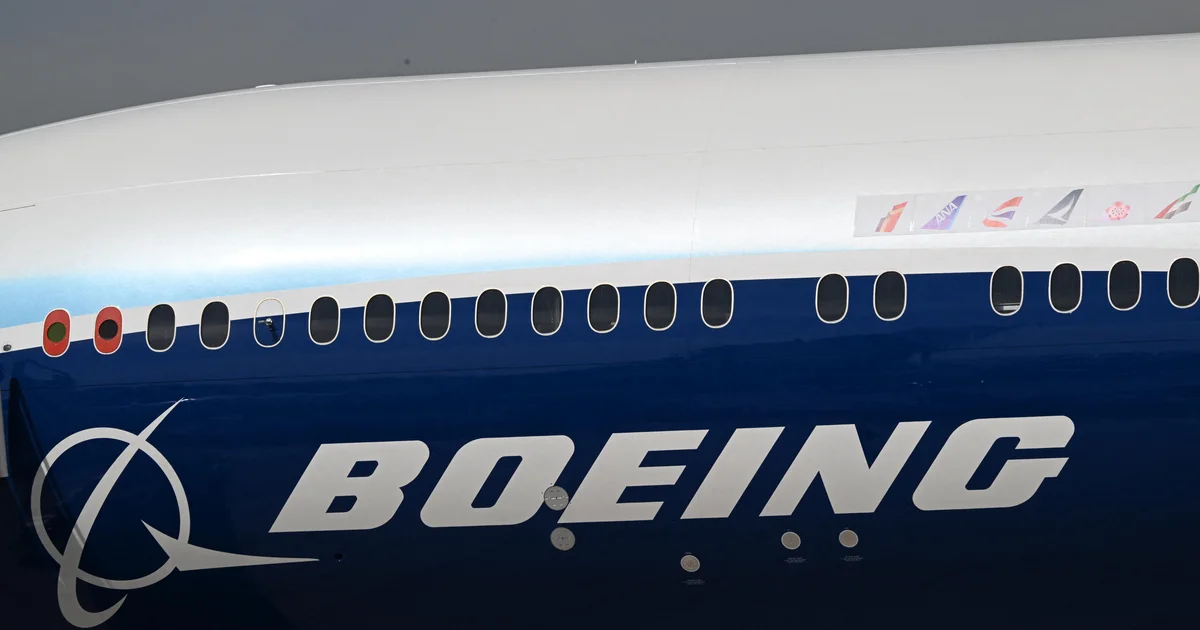

A Philadelphia law professor has initiated legal proceedings against Boeing, alleging severe health issues stemming from exposure to toxic cabin fumes during a Delta Air Lines flight in August 2024. The plaintiff, Jonathan Harris, claims that the contaminated air from the aircraft’s cabin led to a range of health maladies after a flight from Atlanta to Los Angeles. This incident highlights ongoing safety concerns related to aircraft cabin air quality, prompting scrutiny of aviation industry practices regarding potential toxic exposure for passengers.
| Article Subheadings |
|---|
| 1) Overview of Cabin Air Contamination Issues |
| 2) Details of the Incident |
| 3) Health Implications for the Plaintiff |
| 4) Legal Developments and Industry Response |
| 5) Summary of the Lawsuit’s Impact |
Overview of Cabin Air Contamination Issues
Cabin air quality remains a critical issue within the aviation industry, with instances of toxic fumes entering aircraft cabins reported on a more frequent basis than many passengers realize. According to recent statistics, serious air quality incidents occur more than three times a day on average, as per Federal Aviation Administration (FAA) incident reports. The problem arises primarily when the air for cabin ventilation is sourced from the engines—this process can inadvertently allow the entry of oil, hydraulic fluids, and other harmful contaminants.
Boeing’s 787 aircraft stands out as the only commercial aircraft that does not draw cabin air from the engines, relying instead on a different system designed to mitigate such risks. In contrast, the majority of other commercial jets operate similarly by using engine-extracted air, which increases the likelihood of contamination. The legal actions stemming from these exposures emphasize the urgent need for enhanced aircraft safety regulations and better technology to protect passengers from harmful fumes.
Details of the Incident
The specific incident that initiated the lawsuit occurred during a Delta flight that took off from Atlanta and was headed for Los Angeles in August 2024. Upon landing at Los Angeles International Airport, passengers, including Harris, remained on the tarmac for an extended duration, approximately 45 minutes, during which time the cabin filled with toxic fumes. The scent of these fumes, as described by Harris, was reminiscent of “dirty socks,” suggesting a clear and unpleasant presence of contaminants.
During his time on the aircraft, Harris reportedly experienced acute physical reactions. The lawsuit contends that due to the inhalation of these harmful fumes, he became nauseous and eventually vomited into a plastic bag while still seated. Observations from fellow passengers confirmed similar distress, with at least one other individual also encountering severe nausea and vomiting, demonstrating the widespread impact of this incident on those aboard.
Health Implications for the Plaintiff
Following the incident, Jonathan Harris claims to have suffered a series of alarming health issues as a result of his exposure to contaminated air. According to his lawsuit, he is currently grappling with symptoms that include dizziness, confusion, nausea, muscle pain, vertigo, and memory loss. These physical symptoms are accompanied by mental health challenges, including depression and anxiety, which he attributes to the traumatic experience and its ongoing effects on his life.
The legal proceedings filed in Arlington County, Virginia, seek $40 million in damages, which reflects not only his medical expenses but also potential loss of wages and damages related to mental anguish. The severity of Harris’s symptoms and their effects on his quality of life raise essential questions about the adequacy of current regulations addressing air quality in commercial aviation.
Legal Developments and Industry Response
Boeing and Delta have both opted not to comment publicly on the lawsuit as the case unfolds in court. This silence is common in ongoing litigation, especially involving high-profile corporations in the aviation sector. However, the implications of such legal actions could prompt additional scrutiny and possible reforms in industry standards regarding cabin air quality.
In light of mounting concerns around toxic fume incidents, Delta recently announced plans to replace auxiliary power units in 300 of its Airbus A320 aircraft. This move suggests that airlines are becoming increasingly sensitive to the risks associated with cabin air quality, as they seek to enhance passenger safety and comfort.
Summary of the Lawsuit’s Impact
As Jonathan Harris‘s lawsuit progresses, it stands to underscore the critical need for the aviation industry to prioritize cabin air quality safety. The case draws attention to a broader issue that affects passengers globally, prompting calls for regulatory changes and improved safety measures in aircraft design and operation. If successful, Harris’s lawsuit could not only provide him with financial relief but also open the door for more rigorous standards and accountability within the aviation sector.
| No. | Key Points |
|---|---|
| 1 | A law professor is suing Boeing over health issues related to cabin air contamination. |
| 2 | The lawsuit highlights ongoing safety concerns regarding aircraft cabin air quality. |
| 3 | Harris experienced severe symptoms during and after his August 2024 Delta flight. |
| 4 | Delta Airlines is taking steps to address toxic fume incidents by upgrading their aircraft. |
| 5 | The lawsuit may prompt broader regulatory changes in aviation safety standards. |
Summary
This lawsuit filed by Jonathan Harris brings to light critical health risks associated with contaminated cabin air in commercial aviation. It highlights not only personal health issues but also systemic problems within the aviation industry regarding passenger safety. The outcomes of this legal action could have significant implications for future regulations and practices in aviation safety, potentially leading to more rigorous standards that protect the wellbeing of passengers.
Frequently Asked Questions
Question: What are the potential health effects of contaminated cabin air?
Exposure to contaminated cabin air can lead to a range of health issues, including respiratory problems, nausea, headaches, dizziness, and long-term effects on mental health, such as depression and anxiety.
Question: How often do incidents of cabin air contamination occur?
Reports suggest that incidents of cabin air contamination happen more than three times a day across various airlines, indicating a concerning trend in aviation safety.
Question: What measures are airlines taking to improve cabin air quality?
Airlines like Delta are beginning to replace older auxiliary power units and are implementing more stringent maintenance protocols to help reduce the risk of toxic fume exposure in aircraft cabins.
