

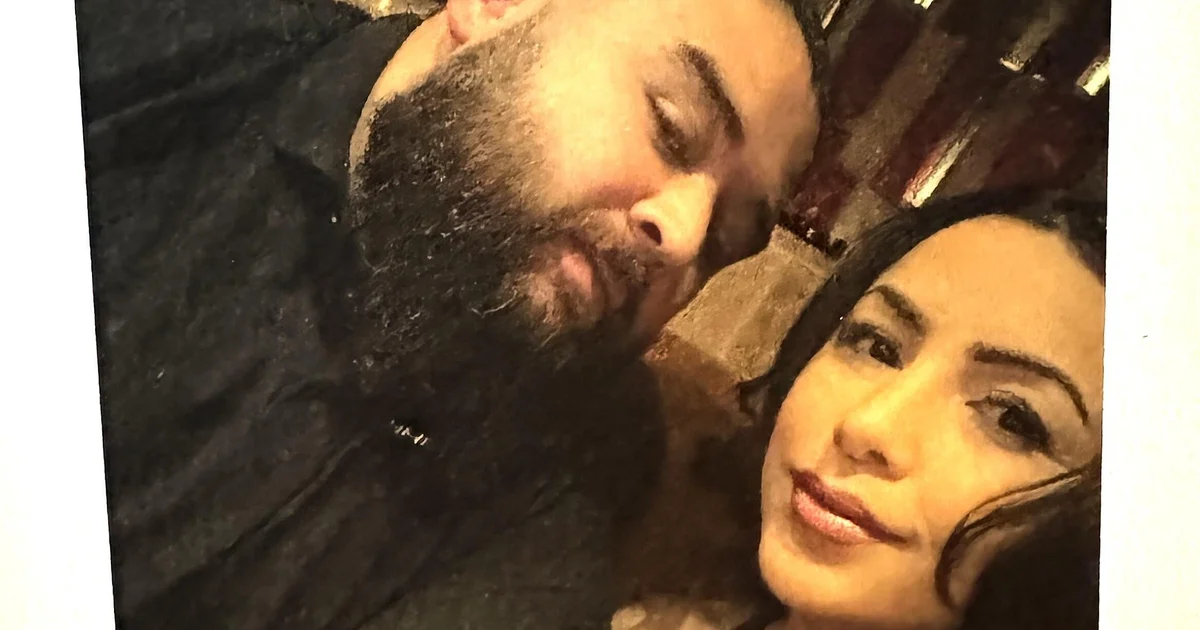

A tragic incident aboard a Royal Caribbean cruise ship has led to a lawsuit against the company, following the death of Michael Virgil, a 35-year-old resident of California. Reports indicate that Virgil was served over 30 alcoholic beverages within a short span and subsequently experienced a series of distressing events. Allegations include negligence on the part of the crew and the use of force against him, raising serious questions about passenger safety and alcohol service policies within the cruise industry.
| Article Subheadings |
|---|
| 1) Circumstances Surrounding the Incident |
| 2) Allegations of Negligence |
| 3) Royal Caribbean’s Response |
| 4) A Pattern of Similar Incidents |
| 5) Implications for the Cruise Industry |
Circumstances Surrounding the Incident
On December 13, 2024, Michael Virgil boarded the Navigator of the Seas in Los Angeles for what was intended to be a celebratory cruise with his fiancée, Connie Aguilar, and their child. The family was en route to Ensenada, Mexico, eager to enjoy their time together. Unfortunately, the trip turned tragic when, according to the lawsuit, crew members allegedly overserved Virgil at the ship’s bar. Reports suggest he was served at least 33 alcoholic drinks within a few hours, during which time he displayed clear signs of intoxication.
As Virgil struggled to find his cabin, the situation escalated. Feeling disoriented and agitated due to his intoxication, he was confronted by security personnel on the ship. The lawsuit claims that crew members tackled him to the ground, subduing him with significant force. This incident and the treatment he received raise several questions about the protocols in place aboard cruise ships for handling intoxicated passengers.
Allegations of Negligence
The lawsuit filed by Aguilar’s attorneys alleges negligence on the part of Royal Caribbean, claiming that the cruise line had a duty to protect its guests from harm, which they failed to fulfill. According to the legal documents, the cruise line is accused of recklessly serving excessive amounts of alcohol to Virgil despite his evident condition. The attorneys claim that Royal Caribbean is well aware of its responsibilities, especially when it comes to overseeing the consumption of alcohol among passengers.
Additionally, the lawsuit highlights that Royal Caribbean maintained the right to refuse service to visibly intoxicated guests. The attorneys argue that the cruise line’s marketing strategies, such as promoting “all-you-can-drink” packages, encourage excessive drinking among passengers, thereby contributing to such tragedies.
Royal Caribbean’s Response
In response to the allegations, a spokesperson for Royal Caribbean expressed sympathy for the passing of Michael Virgil and stated that the company had cooperated with authorities in the investigation of the incident. However, the company refrained from commenting further on the pending litigation. Their cautious approach indicates a defensive stance, reflecting the complex nature of such lawsuits, which can involve extensive legal scrutiny and public relations considerations.
Royal Caribbean’s policies concerning alcohol service have come under scrutiny amidst these allegations. Critics suggest that the cruise line’s marketing tactics intentionally promote a party atmosphere, leading guests to overindulge in alcohol without adequate oversight. The incident raises urgent discussions about corporate responsibility and the implications of alcohol service aboard cruise ships.
A Pattern of Similar Incidents
Interestingly, this lawsuit is not an isolated incident. There have been other cases involving alcohol-related tragedies on Royal Caribbean ships. For example, a recent lawsuit was filed after a 66-year-old woman, Dulcie White, tragically fell overboard during a Taylor Swift-themed cruise. Her family alleges that she was repeatedly served alcohol despite displaying severe signs of intoxication.
The recurrence of these incidents highlights a troubling pattern within the cruise line industry, raising questions about the effectiveness of regulations and safety protocols surrounding the serving of alcohol. As more families come forward with their stories, there is a growing concern that cruise companies may not be doing enough to protect their guests from the dangers of excessive drinking.
Implications for the Cruise Industry
The tragic death of Michael Virgil raises pressing questions about passenger safety on cruise ships. It calls for a reevaluation of the policies and practices surrounding alcohol service. Legal experts and consumer advocates argue that cruise lines must implement stricter measures to protect guests from alcohol-related harm.
Additionally, scrutiny of hiring practices and crew training for handling distressed passengers may also be mandated. The legality and ethical considerations surrounding alcohol sales on cruise ships must be readdressed, ensuring that safety is prioritized over profits. As discussions advance, it remains to be seen how the cruise industry will adapt in response to these growing concerns about alcohol consumption and passenger well-being.
| No. | Key Points |
|---|---|
| 1 | Michael Virgil was allegedly served over 33 alcoholic drinks in a short time frame. |
| 2 | The lawsuit claims negligence on the part of Royal Caribbean regarding alcohol service and passenger safety. |
| 3 | Royal Caribbean has responded cautiously, expressing sympathy but refraining from extensive comment on ongoing litigation. |
| 4 | The case is part of a troubling trend regarding alcohol-related incidents aboard cruise ships. |
| 5 | Calls for stricter safety measures and policies concerning alcohol service are intensifying within the cruise industry. |
Summary
The death of Michael Virgil, following alleged overservice of alcohol aboard a Royal Caribbean cruise ship, serves as a grim reminder of the potential dangers associated with excessive drinking, particularly in environments designed for leisure. As legal actions unfold, this incident underscores the need for enhanced safety measures to protect passengers and prevent similar tragedies in the future.
Frequently Asked Questions
Question: What led to Michael Virgil’s death on the cruise ship?
Michael Virgil died after he was allegedly overserved alcohol, became disoriented, and was subjected to physical restraint by security personnel aboard the ship.
Question: How does Royal Caribbean respond to the allegations made in the lawsuit?
Royal Caribbean has expressed sadness over the incident and has cooperated with authorities, but they have not provided extensive comments due to ongoing litigation.
Question: Are there other similar incidents involving Royal Caribbean?
Yes, there have been other lawsuits against Royal Caribbean related to alcohol consumption, indicating a potential pattern of overservice and its consequences aboard their cruise ships.
