

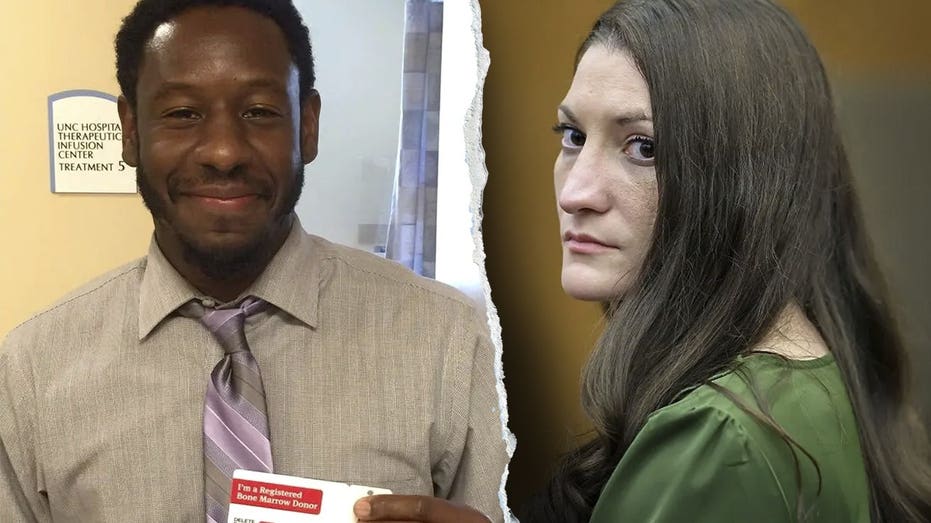

Lindsay Clancy‘s defense team and Massachusetts prosecutors have agreed to delay a motion seeking an inquiry into the lone holdout juror from her murder trial. The agreement followed a request from the juror’s newly retained local attorney, who said he lacked access to impounded information needed to respond. The continuation still requires approval from Judge William Sullivan, and Tuesday’s court appearance is expected to include a status conference. The hearing may also address a defense motion seeking dismissal of the charges on double jeopardy grounds.
| 1) | Agreement could postpone the juror inquiry |
| 2) | Judge Sullivan retains final authority |
| 3) | The mistrial and competing legal positions |
| 4) | Why the juror’s lawyer requested more time |
| 5) | What the next hearing may address |
Agreement could postpone the juror inquiry
The defense and county prosecutors agreed to continue Kevin Reddington‘s motion for an inquiry into juror Michael P. Desronvil. The motion followed a mistrial in the case, which ended when the 12-member jury could not reach a unanimous verdict. The agreement was described as a professional courtesy after a new local attorney representing the juror requested additional time to review the filing and prepare a response.
The motion has not been withdrawn or resolved. Its proposed delay concerns the timing of the proceeding, not the underlying request for an inquiry into the juror’s conduct or deliberations.
Judge Sullivan retains final authority
A final decision rests with Judge William Sullivan, who had not announced whether he would approve the delay. The court date was scheduled for 9 a.m. Tuesday in Plymouth, Massachusetts, for a status conference following the mistrial on Sept. 4, 2026.
The juror’s attorney said local counsel planned to appear regardless of whether the motion was heard. The expected status conference could therefore proceed even if the specific inquiry request is moved to a later date.
The mistrial and competing legal positions
Lindsay Clancy faces three counts of first-degree murder in the deaths of her children, Cora, 5, Dawson, 3, and Callan, 8 months. The children were killed at the family’s Duxbury, Massachusetts, home in January 2023. The defense argued that Clancy suffered from postpartum psychosis and should be found not guilty by reason of mental defect or disease.
Eleven jurors supported that outcome, while Michael P. Desronvil was the lone holdout who maintained that Clancy was guilty of murder. The resulting deadlock produced the mistrial. The defense has separately asked the court to dismiss the charges under double jeopardy principles rather than allow a retrial.
Why the juror’s lawyer requested more time
The juror’s new local counsel told the parties that he did not have access to impounded information considered necessary to prepare a response to the inquiry motion. Court impoundment rules restrict access to certain case materials, creating a practical barrier to immediate briefing.
Edward Paltzik, who is also representing the juror, said the proposed adjournment was subject to the judge’s discretion. Reddington later confirmed that both the defense and prosecutors had agreed to a continuation after the request from local counsel, while insisting that the motion remained active.
“The motion remains active, fully alive, and is currently pending a ruling,” Kevin Reddington said in a statement.
What the next hearing may address
Tuesday’s proceeding is expected to provide an update on the case after the mistrial. Prosecutors may outline their plans, including their position on a possible retrial, while the defense may pursue its double jeopardy motion and address the proposed juror inquiry.
The attorneys also publicly disagreed over the significance of the delay. Paltzik questioned why the defense had not removed the juror during jury selection, while Reddington rejected the suggestion that the agreed continuation represented a victory for either side. The court’s order will determine which matters are heard immediately and which are postponed.
| 1 | Defense lawyers and prosecutors agreed to continue the inquiry motion. |
|---|---|
| 2 | Judge William Sullivan must approve any delay. |
| 3 | The motion concerns the lone holdout juror in the mistrial. |
| 4 | The juror’s lawyer cited restricted access to impounded information. |
| 5 | The status conference may also address double jeopardy and retrial plans. |
Summary
The agreed continuation gives the juror’s new counsel more time to review restricted materials, but it does not resolve the defense’s request for an inquiry. Judge Sullivan’s decision will determine whether the motion is heard at the scheduled status conference or later. The court may also clarify the next steps after the jury deadlock, including the defense’s request to dismiss the charges and prosecutors’ position on a possible retrial.
Frequently Asked Questions
Why was the juror inquiry motion proposed for delay?
The juror’s new local attorney said he lacked access to impounded information needed to prepare a response to the defense motion.
Who decides whether the delay will occur?
Judge William Sullivan has final authority to approve or reject the proposed continuation.
What else may be discussed at the hearing?
The court may address the case’s status after the mistrial, the defense’s double jeopardy motion, and prosecutors’ plans regarding a possible retrial.
