

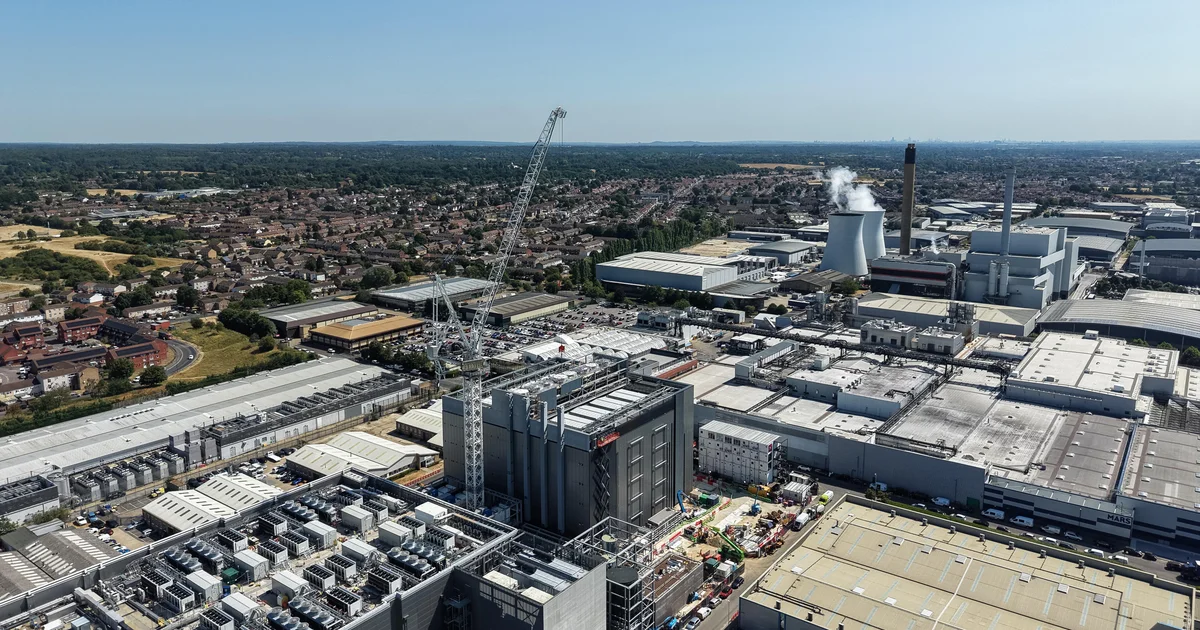

In the industrial town of Slough, situated just west of London, residents are bearing the brunt of record-breaking temperatures, with this summer reported as the hottest in British history. Emerging research indicates that the proximity of Slough to one of the world’s largest data center hubs may be contributing to this unrelenting heat, significantly impacting local climate conditions. The relationship between high-tech infrastructure and rising temperatures has drawn the attention of scientists and residents alike, raising concerns about long-term environmental implications.
| Article Subheadings |
|---|
| 1) The Heat: A Local Perspective |
| 2) The Role of Data Centers in Temperature Rise |
| 3) Research Findings: A Broader Context |
| 4) Local Response to Rising Temperatures |
| 5) Future Implications and Questions |
The Heat: A Local Perspective
Residents of Slough are expressing their growing discomfort as temperatures climb, with anecdotal evidence pointing to an alarming trend in annual heat levels. Nabeel Nawaz, a local restaurant owner, voiced his concerns during the unrelenting heatwave observed in July, noting the increasing severity of heat with each passing year. “Slough is very hot. Every year we think this is the hottest, and then the next year it gets hotter than the last,” he stated, illuminating the despair felt by many in the community.
The environmental toll of this heat has become more than just a seasonal annoyance; it poses serious health risks. Residents like Khadija, who lives only a short distance from the central data center premises, report needing fans to cool down even during the early morning hours, when traditionally temperatures are more manageable. This localized climate crisis has led to rising anxiety among residents as they anticipate the potential health impacts of prolonged exposure to extreme heat. With July temperatures soaring into the 90s, the community is now grappling with the reality of climate change in their everyday lives.
The Role of Data Centers in Temperature Rise
The omnipresent low hum of cooling systems from the nearby data centers—nearly 40 in total—serves as a constant reminder of the tech-driven present and its environmental repercussions. Operating these centers requires immense energy consumption, which in turn leads to significant heat generation. This heat is typically managed through cooling units that transfer excess warmth into surrounding air or water, amplifying local temperatures in the process.
Research conducted by scientists from the University of Cambridge has indicated that areas surrounding data centers can experience a “heat island effect,” raising local temperatures by an average of 3.6 degrees Fahrenheit, with spikes of up to 16 degrees. The ramifications of this phenomenon are particularly pronounced in densely populated regions like Slough, leading to questions about the ecological costs of placing such large-scale facilities in close proximity to residential areas. As Andrea Marinoni, a co-author of the research, emphasized, “The sheer scale of these facilities raises even bigger questions about the potential impact of a heat island effect.”
Research Findings: A Broader Context
While Marinoni and his colleagues did not specifically study Slough, their work contributed to a deeper understanding of how data centers globally can raise temperatures in localized areas. They analyzed approximately 11,000 data center locations worldwide and found similar temperature increases across various regions. The findings underscore a critical factor: the ongoing expansion of data center infrastructure has far-reaching implications for urban climates.
In Slough itself, local weather data corroborates the research, indicating that average temperatures exceeded those of neighboring towns such as Windsor and Uxbridge, by just over one degree during the month of July. This small increase, collectively experienced by thousands of residents, potentially represents a tipping point for public health. Many are left to wonder how this escalating heat will affect future summers and their daily lives.
Local Response to Rising Temperatures
In response to the rising temperatures and the associated health risks, local entities, including the data center operators, are attempting to mitigate their heat output. A spokesperson for Digital Realty, which manages several data centers in the area, stated, “We keep heat output low by operating our facilities efficiently, using light-colored roofing and paving that reflect rather than absorb solar energy, maximizing green space, and minimizing paved surface area.” This marketing approach suggests a growing awareness within the industry of the environmental implications of data centers.
However, experts caution that the best practices currently adopted may not be sufficient to fully combat the heat island effect created by such colossal buildings. According to Ladd Keith, an Associate Professor of Planning, data centers represent a unique challenge: “They are often a giant block, so as far as built environments go, it’s the worst you can imagine for the urban heat island effect.” This recognition has catalyzed discussions for new urban planning strategies, urging the incorporation of green spaces, tree canopies, and sustainable designs in urban infrastructure.
Future Implications and Questions
As Slough’s data center hub continues to grow, the long-term implications of this heat infrastructure phenomenon remain critical issues to address. Experts call for a thorough investigation into the waste heat emissions from data centers, particularly as new facilities are being built on such a scale not previously examined. The local community’s health and well-being, along with broader climate objectives, depend on understanding this industrial impact.
Many in the tech community are now asking pressing questions about the sustainability of data center expansion. Ladd Keith raised issues concerning whether this pattern of growth represents a fleeting trend or a lasting architectural standard. The increasing demand for data processing suggests that, without proactive measures and effective policies, cities could face long-term climatic consequences, altering how urban spaces interact with their natural environments.
| No. | Key Points |
|---|---|
| 1 | Slough, England is experiencing significant heat due to proximity to major data centers. |
| 2 | Research indicates a heat island effect contributing to local temperature increases. |
| 3 | Public health concerns are rising as residents experience extreme heat conditions. |
| 4 | Local efforts to mitigate heat output include energy-efficient building practices. |
| 5 | Experts highlight the need for further investigation into the ecological impact of data centers. |
Summary
The compounding effects of climate change and urban structure present a unique challenge for Slough, where industrial data centers appear to significantly raise local temperatures. As residents grapple with increasingly difficult living conditions, the need for sustainable practices within the tech sector becomes paramount. The ongoing dialogue surrounding this issue illustrates a broader concern about the interaction between technological advancement and environmental stewardship, emphasizing the need for immediate action and long-term planning.
Frequently Asked Questions
Question: How do data centers contribute to local temperature increases?
Data centers generate considerable heat due to their extensive energy consumption for operating server machines. The cooling systems used to regulate temperature release excess heat into the surrounding environment, exacerbating local temperatures.
Question: What evidence is there of a heat island effect in Slough?
Research has shown that areas around data centers can experience localized temperature increases, with data indicating that Slough has been over one degree warmer than neighboring towns in July due to its concentrated data center infrastructure.
Question: What measures are being employed to mitigate heat output from data centers?
Data center operators are adopting energy-efficient practices, including the use of light-colored roofing materials, maximizing green spaces, and utilizing efficient cooling methods to minimize their heat footprint and combat heat island effects.
