

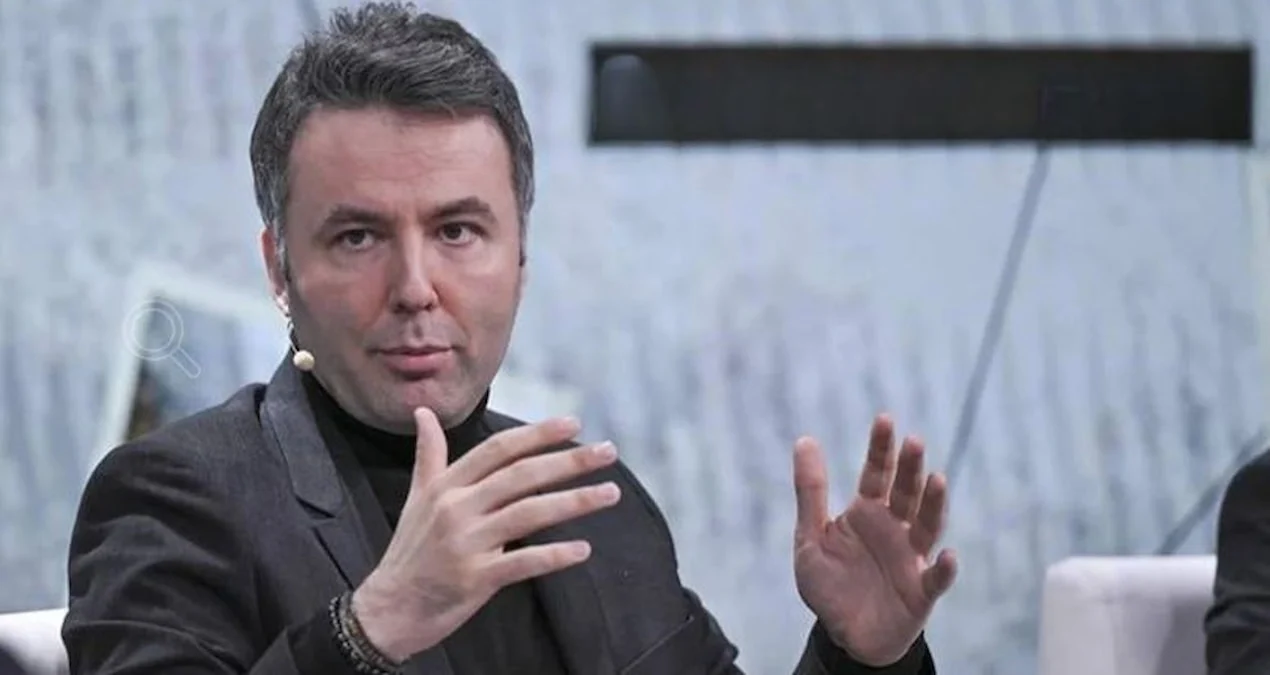

In a recent statement, Mehmet Akif Ersoy, who was detained as part of an investigation by the Istanbul Chief Public Prosecutor’s Office, offered a clarification regarding previous comments he made about a “political operation.” Initially expressing concerns about the motives behind his detention, Ersoy later acknowledged that his statements had been misconstrued, particularly in light of criticism from former AKP deputy Şamil Tayyar. This article explores the circumstances surrounding Ersoy’s arrest, his subsequent remarks, the public and political response, and the broader implications of the case.
| Article Subheadings |
|---|
| 1) Overview of the Arrest and Charges |
| 2) Ersoy’s Clarification and Intent |
| 3) Reaction from Political Figures |
| 4) Public Sentiment and Media Coverage |
| 5) The Broader Implications |
Overview of the Arrest and Charges
On October 1, 2023, Mehmet Akif Ersoy was taken into custody as part of a sweeping investigation initiated by the Istanbul Chief Public Prosecutor’s Office. The authorities have not publicly detailed the specific charges against him; however, they are reported to be serious in nature, potentially involving allegations related to misconduct within his media operations. At the heart of the investigation is how Ersoy, as a prominent figure within the media landscape, may have been involved in activities that compromised the integrity of his position and the public trust. The case has sparked considerable media attention due to Ersoy’s established career and ongoing influence.
The investigation appears to stem from complaints filed with the judicial authorities, suggesting that Ersoy may have been involved in activities deemed improper. These events unfolded swiftly, placing Ersoy in the spotlight and drawing public and political scrutiny almost instantaneously after his arrest. As a significant figure in media, the ramifications of these allegations could extend beyond his personal reputation, raising questions about the ethical standards within the industry.
Ersoy’s Clarification and Intent
Following backlash against his initially expressed views, Ersoy released a statement through his lawyer to clarify his previous remarks about the nature of his detention. He emphasized that the term “political operation” was poorly chosen and misrepresented his actual intentions. According to Ersoy, the real issue lay in the actions of individuals who sought to manipulate judicial processes against him, rather than direct political interference.
In his clarification, Ersoy remarked with considerable gravity that his statements were made under duress, reflecting a state of shock and extreme stress. He specifically referred to accusations that suggested improper conduct related to personal matters, describing them as character attacks rather than legitimate concerns that warranted criminal investigation. By stating, “For this reason, I would like to specifically state that this statement is unfortunate in terms of the perception created and does not reflect my intention,” he aimed to align public perception with his true sentiment.
Reaction from Political Figures
The political response to Ersoy’s case has been swift and polarized. Former AKP deputy Şamil Tayyar was among the first to react, questioning the premise of Ersoy’s assertions. Tayyar argued that Ersoy is not a figure requiring a political maneuver for a dismissal, highlighting the efficiency with which managers can be replaced in the Turkish media landscape. This exchange signifies a deeper rift within political discourse, demonstrating varying opinions on whether the media is subject to undue political influence or operates autonomously.
Tayyar’s comments reveal a broader skepticism toward claims of political machinations in such arrests, suggesting that the circumstances surrounding Ersoy’s detention may not warrant the weight he ascribed to them. This public rebuttal illustrates the contentious nature of Turkish political media relations, where allegations can provoke clashes among politicians and public figures.
Public Sentiment and Media Coverage
Media coverage surrounding this incident has been vibrant, filling headlines and trending among social media discussions. Public sentiment has generally leaned towards skepticism regarding both the allegations against Ersoy and the motivations behind them. Many observers have highlighted the potential for character assassination in politically charged environments, speculating that allegations may serve as tools for dissenters or rivals within the competitive media sphere.
The coverage has ignited debates about freedom of expression and integrity in journalism, with many calling for a thorough and impartial examination of the facts rather than a rush to judgment based on sensationalist narratives. This situation has led to questions about how media figures are protected—or not protected—from politically motivated actions that risk damaging their careers and reputations.
The Broader Implications
The Ersoy case carries broader implications for Turkey’s media landscape and its relationship with the governing political entities. Allegations of political interference in legal processes signal a precarious balance between freedom of the press and accountability, raising concerns regarding the treatment of media professionals under pressure. This case acts as a critical touchpoint in the ongoing dialogue about the health of democratic institutions in Turkey and their ability to shield journalists from politically-motivated actions.
As the legal proceedings unfold, many are paying close attention to how this situation might set precedents for similar cases in the future. Will it reinforce media autonomy, or will it indicate a troubling trend of repression? Only time will tell, but Ersoy’s case exemplifies the frailty of media freedom in a politically nuanced environment.
| No. | Key Points |
|---|---|
| 1 | Mehmet Akif Ersoy was arrested under a significant investigation by Istanbul authorities. |
| 2 | Ersoy clarified that his previous claims of a “political operation” were misunderstood. |
| 3 | Former AKP deputy Şamil Tayyar criticized Ersoy’s statements, claiming no political motivation behind the arrest. |
| 4 | Public and media reactions reflect concern over political influence in legal matters. |
| 5 | The case raises broader questions regarding media freedom and integrity in Turkey. |
Summary
The arrest of Mehmet Akif Ersoy has opened up a complex web of discussions regarding the intersections of media, politics, and the judicial system in Turkey. With a backdrop of potential character assassination and the implications of political maneuvering, this case underscores the precarious nature of journalistic integrity under pressure. As developments continue, it is crucial for the public and stakeholders to engage thoughtfully with the implications for free speech and media practices in the region.
Frequently Asked Questions
Question: What were the allegations against Mehmet Akif Ersoy?
The allegations against Ersoy remain largely unspecified but involve serious misconduct that is currently under investigation by Turkish authorities.
Question: How did Ersoy respond to the criticism he received?
Ersoy released a statement clarifying his earlier remarks, expressing regret that his words were misconstrued, and emphasized that they do not reflect his intentions.
Question: What impact could this case have on media freedom in Turkey?
This case could potentially set precedents for future interactions between the media and political entities, highlighting either a commitment to journalistic integrity or a trend of repression.
