

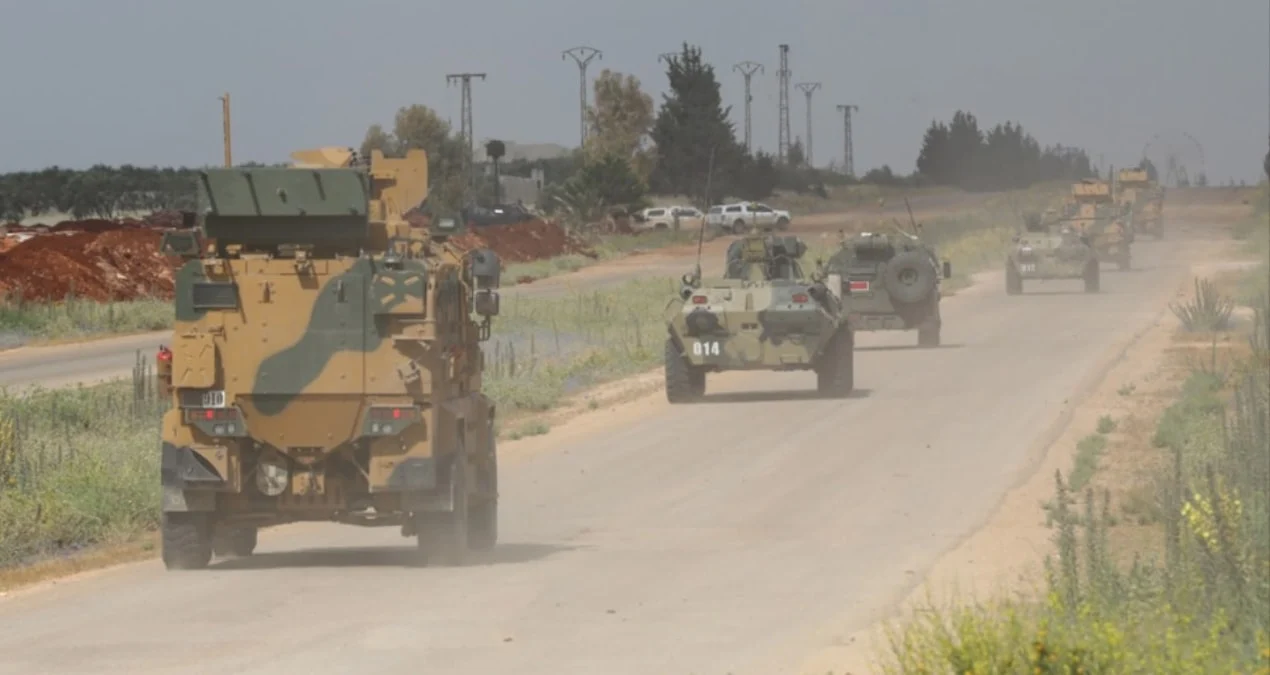

Yesterday, images surfaced showing the Turkish Armed Forces (TAF) entering Syria from various locations including Afrin, Ras al-Ayn, and northern Aleppo. This movement comes amidst reports that the Turkish convoy is advancing toward the strategically significant Manbij line. In a parallel response, the Syrian government has reinforced its military presence in Deir ez-Zor, an area controlled by the Syrian Democratic Forces (SDF), which has ties to the PKK terrorist organization. Turkish armored vehicles reportedly crossed into Syrian territory at night through border gates in Deir Ballut and Advaniyah.
| Article Subheadings |
|---|
| 1) Overview of the Turkish Armed Forces’ Movement |
| 2) Reinforcements in Olive Branch Region |
| 3) Response from the SDF Leadership |
| 4) Statements from Turkish Foreign Minister |
| 5) Implications of the Military Movements |
Overview of the Turkish Armed Forces’ Movement
On the night of the recent military operations, the Turkish Armed Forces (TAF) entered Syrian territory under the rationale of maintaining national security and countering threats from the SDF. Sources report that the convoy, referred to as the Mehmetçik, has begun advancing towards the Manbij line, a key region that has faced ongoing tensions among various armed factions. This military maneuver by Turkey underscores its ongoing strategy to exert influence in northern Syria and to counteract the activities of groups it deems as terrorists.
The operation highlights Turkey’s preparedness to respond assertively against perceived threats. The specific locations targeted for entry, such as Afrin and Ras al-Ayn, are critical zones where both Turkish and SDF forces have had a complex history, often clashing over territorial control and governance. The movement of Turkish forces may be interpreted as a preemptive strike to mitigate any potential developments that could jeopardize its strategic interests in the region.
Reinforcements in Olive Branch Region
Further developments indicate that the TAF has dispatched reinforcements from the Olive Branch operational area to the Afrin region, reinforcing the military’s presence in the area. According to reports, these forces include armored units from the 7th Corps Command of the 2nd Army Command. The operation is being supported by unmanned aerial vehicles (UAVs), which provide real-time intelligence and coordination. This integration of technology underlines Turkey’s modernized military capabilities in the region.
Military analysts suggest that this strategic reinforcement is intended not only to bolster the Turkish position in Afrin but also to send a clear message to the SDF and other opposing forces about Turkey’s military resolve. The operation is meticulously managed according to a predetermined plan, ensuring that troops are effectively deployed for maximum operational impact. The usage of UAVs for intelligence gathering has been a significant component of Turkey’s military strategies, particularly in areas with potential insurgency activities.
Response from the SDF Leadership
In response to the recent incursions, the SDF leadership, represented by its spokesperson Abu Omar Idlibi, attempted to downplay the significance of the Turkish advance. Speaking to local media, Idlibi stated,
“There have been no dangerous developments in the field so far, and Turkish forces have not entered Manbij directly.”
This statement reflects an effort to project confidence amidst an escalating military situation.
Idlibi’s remarks suggest a calculated attempt to reassure the local population and SDF supporters that their control over the region is secure. However, the presence of Turkish forces along the border raises questions about future stability in the area, with many analysts suggesting that the tension could provoke a strong military response from the SDF. The potential for conflict remains high as both factions continue to prepare for various scenarios as political and military dynamics unfold.
Statements from Turkish Foreign Minister
Ahead of the military maneuver, Turkish Foreign Affairs Minister Hakan Fidan made statements in Doha indicating Turkey’s firm stance regarding the SDF and its operations in Syria. Fidan emphasized that,
“SDF does not give any signal that it will integrate into Syrian state institutions.”
He highlighted Turkey’s intent to counter any activities that could undermine its security interests, indicating the necessity of removing elements that pose a threat to the nation.
Additionally, Fidan addressed the need for a unified command structure within Syria, stating,
“There cannot be two separate armies in any country. There can only be a single army and command level.”
These remarks indicate Turkey’s broader vision for a politically cohesive Syria, while aiming to displace the SDF’s influence and diminish their operational autonomy. This strategic positioning by Turkey serves to anchor its place in Syrian politics, establishing itself as a key player in any negotiations regarding the future governance of the region.
Implications of the Military Movements
The recent military actions by Turkey could have far-reaching implications not only for the SDF and Syrian government but also for regional geopolitical dynamics. The advance towards Manbij is significant, given its historical context as a flashpoint for clashes between competing factions and external powers with vested interests in Syria. The Turkish strategy appears to indicate a commitment to maintaining a long-term military presence in these contentious regions.
The ongoing military buildup may force other national and international actors to reassess their strategies in relation to Turkey’s actions. For instance, the United States, which has been a supporter of the SDF, may need to reconsider its stance in light of Turkish assertiveness. The increasing hostilities could further complicate diplomatic engagements among involved parties, potentially laying the groundwork for heightened tensions that could erupt into broader conflicts.
| No. | Key Points |
|---|---|
| 1 | Turkish Armed Forces have entered Syria from multiple key points amidst rising tensions. |
| 2 | Reinforcements are being sent from the Olive Branch area to strengthen Turkish positions. |
| 3 | SDF leadership expresses confidence in maintaining control despite Turkish forces’ movements. |
| 4 | Foreign Minister Hakan Fidan stresses that the SDF must be integrated into Syrian governance. |
| 5 | Military actions by Turkey could reshape geopolitical dynamics in the region. |
Summary
The recent movements by the Turkish Armed Forces reflect an ongoing commitment to assert Turkey’s influence in Syria while countering the SDF, an organization linked to terrorist acts against Turkey. The involvement of key military units and the deployment of UAVs underline Turkey’s resolve in the region. With fluctuating control and the ongoing complexity surrounding Syria’s political landscape, these military actions will likely provoke reactions from both local leaders and international actors, possibly leading to altered strategies regarding the nation’s future governance.
Frequently Asked Questions
Question: Why is Turkey entering Syria?
Turkey’s recent military actions are aimed at countering perceived threats from the SDF, which it links to terrorist organizations. The operations are part of Turkey’s broader strategy to secure its borders and exert influence in northern Syria.
Question: Who is Hakan Fidan?
Hakan Fidan is Turkey’s Foreign Affairs Minister and plays a crucial role in shaping the country’s diplomatic and military stance regarding the Syrian conflict.
Question: What is the significance of Manbij?
Manbij is strategically important due to its location and history of conflict among various factions, making it a focal point for military operations and governance disputes in Syria.
