


As Michigan enters the heart of fall, residents are keenly aware that the season brings not only colorful foliage but also significant financial concerns ahead of the upcoming election. Cider mills attract families seeking iconic fall treats, but conversations reveal a pervasive unease about the state of the economy. With consumer sentiment slipping to historical lows, the implications for the electorate and the political landscape are critical as the election draws near.
| Article Subheadings |
|---|
| 1) Economic Gloom in the Air |
| 2) The Role of Consumer Sentiment Surveys |
| 3) Rising Prices and the Housing Market |
| 4) Voter Sentiment and Political Implications |
| 5) The Broader Economic Picture |
Economic Gloom in the Air
As fall envelops Michigan, the annual cider season is marked by an aura of nostalgia and tradition, especially at the renowned Franklin Cider Mill. Located in the suburbs of Detroit, this beloved establishment has been a go-to spot for families eager to savor hot donuts and refreshing cider slushies. However, amidst the cheerful ambiance, discussions among patrons reveal a stark and growing concern regarding their financial well-being. With three weeks remaining until Election Day, visitors express their worries about the economy, painting a picture of widespread financial distress.
“I would say most are struggling, if I’m being honest,” one visitor shared candidly, echoing the sentiments of many others. Another man added, “I don’t feel great about the economy right now,” mirroring a common thread of worry. The palpable frustrations even reach the ears of local educators, with high school principal Jeffrey Robinson succinctly summarizing the crisis: “It sucks,” he stated, highlighting parents who struggle to afford gas for their daily needs. This pervasive dissatisfaction underscores an undeniable trend in public sentiment as the country gears up for pivotal elections.
The Role of Consumer Sentiment Surveys
The insights into the public’s economic mindset are substantiated by the work of researchers like Joanne Hsu, who directs the University of Michigan’s long-standing consumer sentiment survey. Established in 1946, the survey serves as a barometer for consumer attitudes regarding the economy. According to Hsu’s recent findings, the survey indicates a dramatic decline in consumer sentiment that spans all demographics. “We’ve been seeing quite a bit of decline in consumer sentiment across the board, across all walks of life,” Hsu noted, connecting the downturn in sentiment to recent external geopolitical pressures, including the ongoing Iran conflict.
Particularly concerning is Hsu’s observation that current consumer attitude levels are amongst the lowest seen in modern history, even lower than during periods of stagflation in the 1970s and the financial crisis of 2008. Notably, this low sentiment persists even in light of favorable stock market performances and wage growth. “The wages not keeping up with inflation is the key point there,” Hsu elaborated, illustrating how rising costs overshadow any positive developments in earnings. A stark statistic emerges from this analysis: the percentage of consumers expecting wage growth to outpace inflation has plummeted from 18% to a mere 11% in the past year and a half.
Rising Prices and the Housing Market
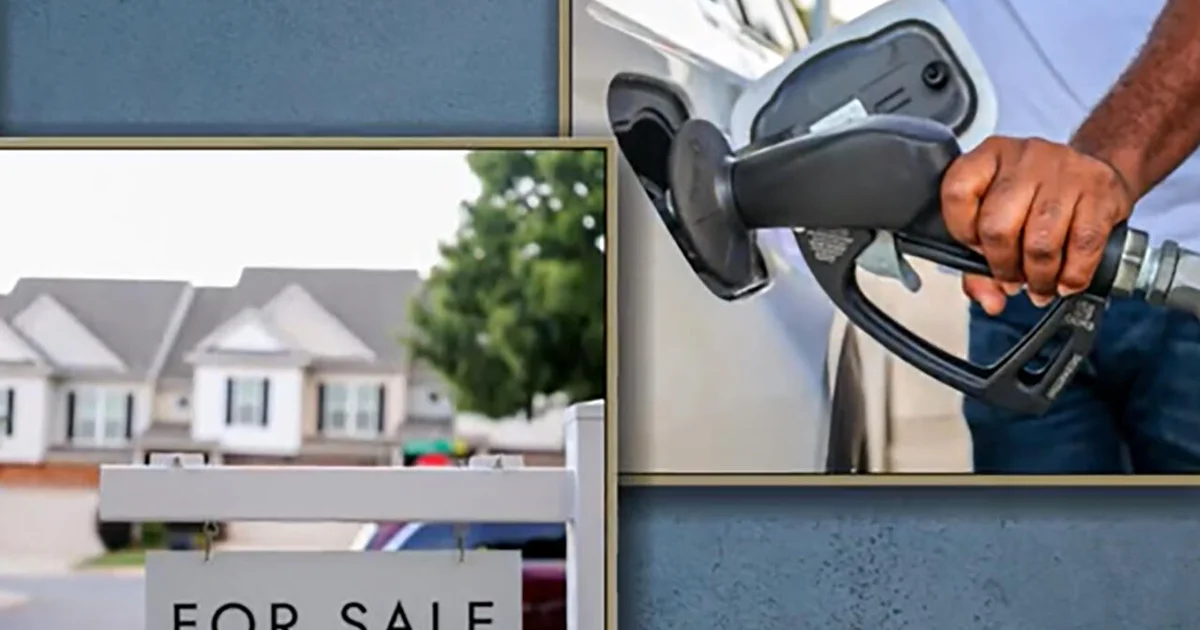
Economic frustrations are further exacerbated by soaring prices across fundamental goods, particularly in grocery and housing markets. Citing statistics from the Bureau of Labor Statistics, grocery prices have surged by more than four percent in the past two years. Moreover, gas prices have seen a staggering 35% increase, compelling families to tighten their budgets. For prospective homebuyers, attending open houses has become a bittersweet experience. Local real estate agent Michael Perna reports that even traditionally desirable properties are now lingering on the market far longer than expected due to high mortgage rates, now hovering around 7.5%.
“It would not surprise me if we saw a rate that starts with an 8 before we see a rate that starts with a 6,” Perna expressed. The repercussions of these rates are harsh; homebuying power diminishes significantly, with many families now able to afford $50,000 less than they could just a year ago. As Perna noted, this phenomenon leads buyers to compromise on what they can realistically afford, leading to a broader sense of disenchantment with economic conditions. “Absolutely, a lot of people, myself included, have a bad attitude about this economy!” he shared, underscoring how tightly interwoven the housing market is with consumer sentiment.
Voter Sentiment and Political Implications
While the economic landscape casts a shadow over many Michigan residents, it raises critical questions about the upcoming election and the political dynamics at play. As communities gather at locations like Franklin Cider Mill, discussions about the current administration’s economic management arise. A woman candidly criticized President Donald Trump‘s tariffs, asserting they contribute to rising prices. Yet she holds hope that long-term benefits will emerge through job creation in the manufacturing sector. This juxtaposition of immediate economic distress contrasted with future aspirations reflects the complex nature of voter sentiment.
Another resident lamented the gap between expectations and reality, stating, “He promised us, and I don’t think he kept his promise,” in reference to Trump’s campaign pledges. Teachers, small business owners, and everyday citizens alike echo similar sentiments. Jeffrey Robinson articulated the sacrifices being made by everyday Americans, saying, “The average public is paying a price.” While he does not expect to receive any direct financial assistance, his concerns highlight the growing frustrations about how long ordinary citizens can sustain the current economic realities.
The Broader Economic Picture
The challenges faced by Michiganders are emblematic of a broader national trend, where various social and economic factors converge to create a complicated landscape for voters. Despite recent claims of economic recovery, rising costs and stagnating wages tell a different story for many households. The allure of the American dream feels increasingly elusive as families grapple with everyday expenses that outpace their earnings. The current political leadership must navigate these realities carefully, as disillusionment among voters can significantly impact electoral outcomes.
As communities reflect on their experiences amidst cider and donuts, the correlation between economic dissatisfaction and electoral behavior becomes clearer. Discontent about the economy could mobilize voters, leading to shifts in support away from incumbents during critical elections. As election day approaches, the persistent narrative of economic struggles will likely shape campaign strategies and electoral results across the nation.
| No. | Key Points |
|---|---|
| 1 | Residents in Michigan express significant concern about their economic situation as Election Day approaches. |
| 2 | Consumer sentiment has dropped to historical lows, reflecting national discontent across age and demographic lines. |
| 3 | Rising prices in groceries and housing significantly affect families’ budgets and purchasing power. |
| 4 | Voter sentiments indicate a potential shift in political support due to economic dissatisfaction. |
| 5 | The outlook for housing markets and overall financial stability remains tenuous, impacting voter behavior. |
Summary
The current economic environment in Michigan has stirred deep concerns among residents as the state faces critical electoral decisions. Dwindling consumer sentiment alongside rising costs paints a challenging picture for many families. As economic pressures mount, the connection to electoral behavior becomes increasingly apparent, with citizens reconsidering their expectations from political leaders. Understanding these dynamics is vital as the state heads to the polls, where the reflections of local households will resonate heavily in the decisions made at the ballot box.
Frequently Asked Questions
Question: Why is consumer sentiment important before an election?
Consumer sentiment plays a crucial role in evaluating public perception of the economy and can significantly influence voter behavior. When sentiment is low, there is a tendency for voters to favor change, especially regarding economic policies.
Question: How do rising housing prices affect consumers?
Rising housing prices can restrict homebuyers’ purchasing power, pushing many clients out of the market. This situation can lead to dissatisfaction with financial conditions and influence voters’ opinions on current economic management.
Question: What factors contribute to declining consumer sentiment?
Factors such as rising inflation, stagnant wages, and increased costs of living play a vital role in declining consumer sentiment. External events, such as geopolitical tensions, can further exacerbate economic fears, thus shaping public perceptions about political leadership.
