

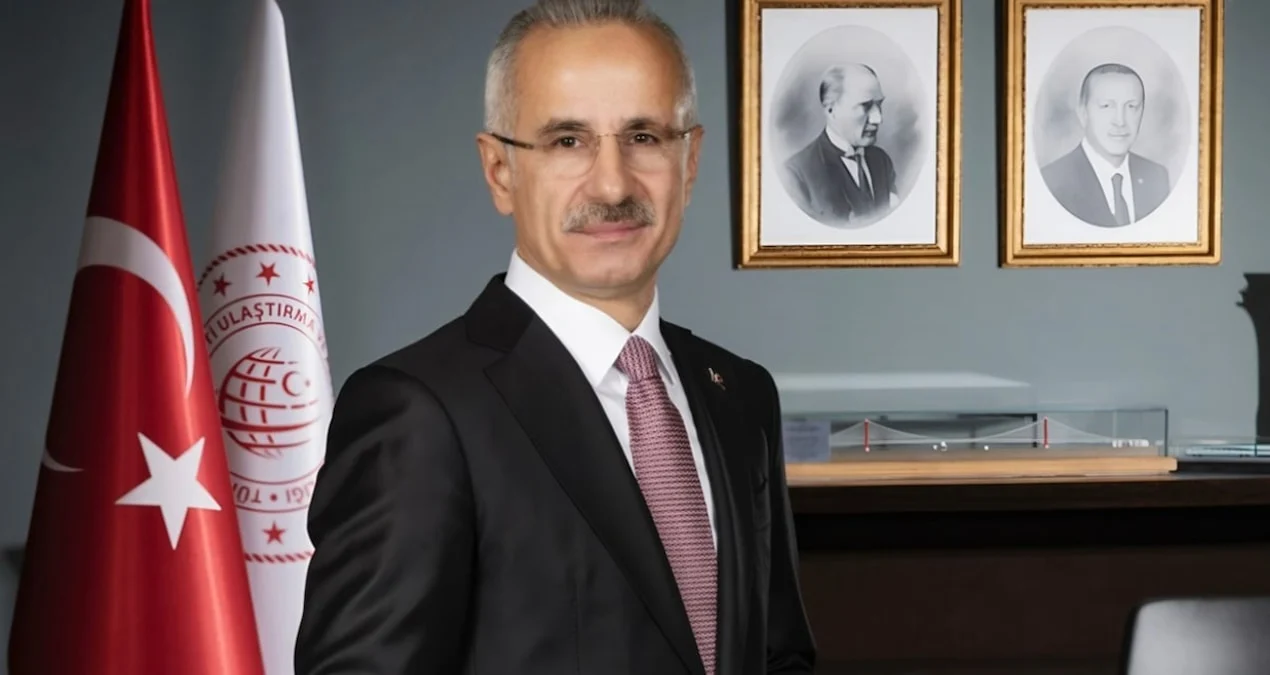

A recent analysis has unveiled significant ties between the Minister of Transport and Infrastructure, Abdulkadir Uraloğlu, and various construction companies managed by his college classmates. This relationship raises questions regarding potential conflicts of interest, particularly in the awarding of public tenders, amounting to billions of lira. These revelations have ignited discussions about transparency and fairness in government contract processes in Turkey, drawing scrutiny from opposition leaders and the public alike.
| Article Subheadings |
|---|
| 1) Overview of Minister Uraloğlu’s Connections |
| 2) Tender Awards Under Scrutiny |
| 3) Official Responses to Allegations |
| 4) Political Reactions and Implications |
| 5) Future Outlook and Questions Remain |
Overview of Minister Uraloğlu’s Connections
Minister Abdulkadir Uraloğlu graduated from the Civil Engineering Department of Karadeniz Technical University in 1988. During his time there, he formed friendships with several individuals who are now influential figures in the construction industry. Most notably, Ali Yaylı, a classmate, recently secured a staggering 3.5 billion lira tender from the Highways Department. Similarly, another classmate, Mustafa Reis, who is the Deputy Chairman of SNH Construction, has seen his company awarded numerous contracts since Uraloğlu assumed leadership roles in the ministry. This interconnection has raised eyebrows, particularly regarding potential conflicts of interest as Uraloğlu served as the General Director of Highways before his appointment as Minister on June 4, 2023.
Tender Awards Under Scrutiny
Since the beginning of Uraloğlu‘s tenure, SNH Construction has won approximately 30 public tenders worth a total of 18.3 billion lira. Out of this sum, 14 billion lira has coincided with his role as Minister, indicating a potential overlap that could suggest favoritism towards classmates. The company has consistently been awarded high-value projects, including major road construction tenders such as the Ceyhan-Toprakkale-İskenderun road, which was secured on November 12, 2025, for 6.425 billion lira. Such tenders have raised questions about government transparency and the legitimacy of the bid processes.
Official Responses to Allegations
In response to mounting allegations regarding cronyism, a statement was issued from the Ministry of Transport. The ministry denied any wrongdoing, insisting that all tenders were managed according to the Public Procurement Law No. 4734. They refuted claims that the educational background of Uraloğlu and his classmates constituted evidence of a conflict of interest, noting that many engineers from the same graduating class are involved in different sectors today. The Ministry emphasized that all tender processes underwent open audits and were evaluated based on technical competence and financial capacity.
Furthermore, it was stated that allegations of exercise of discretion based on personal relationships in tender decisions have no basis in factual evidence. The statements from the Ministry claimed that the tender awards merely reflect the experienced track record of the winning companies rather than any preferential treatment.
Political Reactions and Implications
The opposition, particularly the CHP Deputy Chairman Ulaş Karasu, has been vocal in criticizing Uraloğlu and the managers of the construction firms. They have accused the Minister of fostering corruption by disproportionately awarding public contracts to friends and associates, asserting that this undermines trust in governmental processes. Karasu described these actions as further evidence of a system that favors the few at the expense of broader public interest and promotes the privatization of state resources among the minister’s acquaintances.
This back-and-forth between government officials and opposition leaders has incited further discourse among the public, leading to questions of accountability and ethical governance. Calls for an independent investigation into these bidding processes have emerged, emphasizing that the integrity of public offices must be upheld.
Future Outlook and Questions Remain
As these discussions unfold, the future of public bidding and government contracts in Turkey remains uncertain. Analysts suggest that maintaining public trust will necessitate increased transparency in procurement processes and ensuring that all governmental operations are free from conflicts of interest. When asked about the next steps, many public advocates have pointed out that unless these questions are addressed, the specter of corruption will continue to overshadow the functioning of public services.
Critics continue to argue that the essence of cronyism and nepotism needs urgent redress. Without significant changes, the long-term implications for governance and public infrastructure could be dire, as citizens question the legitimacy of contracts awarded and the motivations behind them.
| No. | Key Points |
|---|---|
| 1 | Minister Abdulkadir Uraloğlu has connections with classmates in the construction industry. |
| 2 | Several million lira contracts have been awarded to companies run by Uraloğlu’s classmates. |
| 3 | The Ministry of Transport has defended tender processes as compliant with legal standards. |
| 4 | Political leaders have called for transparency and accountability in public contracts. |
| 5 | Future oversight and independent investigations may be necessary to restore public trust. |
Summary
The association between Uraloğlu and his college classmates, who hold significant positions within the construction industry, presents serious questions for transparency and governance in public contracting. As the implications of these connections align with the criticism of cronyism, ongoing public discourse emphasizes the need for reforms in procurement practices. Moving forward, ensuring fairness and accountability will be crucial in fostering public trust in the government’s operations.
Frequently Asked Questions
Question: What allegations are being made against Minister Uraloğlu?
Minister Abdulkadir Uraloğlu is facing accusations of preferential treatment towards his classmates in the awarding of public tenders, raising concerns over possible conflicts of interest.
Question: What is the government’s response to these allegations?
The Ministry of Transport has stated that all tenders were awarded in compliance with the Public Procurement Law and denied any claims of favoritism based on personal relationships.
Question: What are the implications for public trust in government contracts?
The increase in scrutiny over public contracts, especially in the context of cronyism, may lead to calls for reform in transparency and accountability within governmental procurement processes.
