

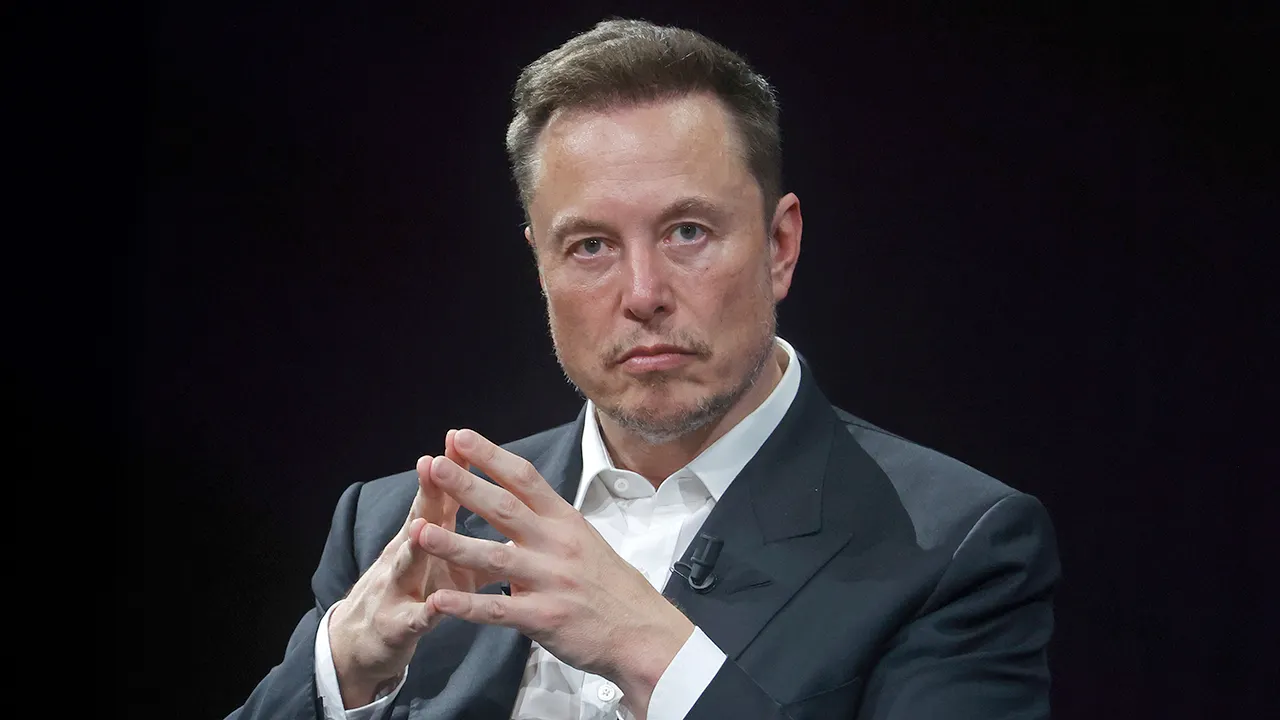

In a controversial statement, billionaire entrepreneur Elon Musk accused Representative Ilhan Omar of treason following her remarks about safeguarding Somali interests as a congressional representative. Musk’s comments, made on social media platform X, were in response to a video that surfaced online of Omar discussing concerns over potential naval bases established by Ethiopia in Somaliland. This incident has triggered significant discussions both on social media and in the political realm, shining a spotlight on the Somali-American community and the complexities of political identity.
| Article Subheadings |
|---|
| 1) Background on Ilhan Omar’s Remarks |
| 2) Elon Musk’s Accusation of Treason |
| 3) Reactions from Political Figures |
| 4) Implications for Somali-Americans |
| 5) Public Sentiment and Social Media Dynamics |
Background on Ilhan Omar’s Remarks
In January 2024, Representative Ilhan Omar addressed her constituents in the Twin Cities, Minnesota, where she expressed her commitment to advocate for Somali interests in the U.S. During her speech, she articulated a strong stance against potential external encroachments on Somali maritime resources, particularly concerning the establishment of a military base by Ethiopia in Somaliland. This mental framework and commitment to her constituents raised eyebrows and reverberated within the national discourse surrounding Somali-American identity and political representation.
Omar’s speech emphasized pride in being a Somali-American while denouncing the perception that ethnic constituents should subjugate their national interests for broader agendas. Her assertion that “the U.S. government will do what we ask it to do” equipped her remarks with a sense of empowerment and urgency for her community, particularly as they are heavily represented in her congressional district. As Minnesota houses the largest Somali population in the United States, her statements resonate deeply within her community.
Elon Musk’s Accusation of Treason
Elon Musk’s provocation on social media escalated the situation significantly. Following the circulation of Omar’s video, Musk took to X, labeling her comments as treasonous. His statement, “This sounds like treason,” sparked outrage as critics quickly questioned the appropriateness of his accusation. Musk’s platform as a billionaire entrepreneur magnifies the impact of his comments, imbuing them with considerable weight in a politically charged atmosphere.
The implication of treason carries a heavy connotation in American political culture, often associated with severe disloyalty or betrayal towards the nation’s interests. By choosing this term, Musk not only ignited a debate about Omar’s loyalty but also drew public focus back to the Duke’s complex history with Somali immigration and political representation. Speculation about the motivations behind Musk’s comments has emerged, with many attributing them to the climate of divisiveness that characterizes current American politics.
Reactions from Political Figures
The political landscape reacted swiftly to Musk’s comments. Several figures expressed outrage and defended Omar. Notably, other representatives emphasized her rights to advocate for her community without fear of being attacked for her ethnic heritage. Political commentators voiced the importance of supporting representation for minorities in Congress, especially amidst rising anti-immigrant sentiment nationally.
In contrast, supporters of Musk’s viewpoint applauded his directness and framed Omar’s comments as evidence of prioritizing her ethnic community over national concerns. The division highlights the role of social media in shaping political discourse, oftentimes amplifying extreme views while silencing moderate discourse. Elaboration on these contrasting opinions generated extensive social media dialogue, manifesting the central role of figures like Musk in contemporary politics.
Implications for Somali-Americans
The statements made by both Omar and Musk have profound implications for the Somali-American community that resides primarily in Minnesota, particularly within Omar’s district. Reactions to the incidents have stirred emotions within the community, with many embracing Omar’s advocacy as intrinsic to their identity. The current political climate is challenging, as advocacy on behalf of ethnic or marginalized groups can often lead to heightened scrutiny and backlash.
Many Somali-Americans have taken to various forums, voicing their support for Omar while simultaneously expressing concerns regarding the stigmatization linked to her public persona. The discussions surrounding Omar’s remarks reveal a larger issue of cultural misunderstanding and the ongoing struggle for acceptance within the broader framework of American society. How the community navigates this is yet to be determined, but the events have prompted a resurgence of dialogue around immigrant rights and representation in politics.
Public Sentiment and Social Media Dynamics
Public sentiment regarding this incident is intricately tied to the dynamics of social media, creating an environment ripe for both support and dissent. The way a shared narrative spins across platforms like X often influences public opinion and discourse. In the case of Musk’s comments, the incident serves to highlight how rapidly misinformation and opinions can spread.
Social media platforms have become battlegrounds for narrative control, with users dissecting opinions, retweeting their perspectives, and mobilizing supporters. Although forming a cohesive understanding of events can be challenging, the mobilization of online activism promotes solidarity within the Somali-American community while also polarizing those with differing views. With such dialogues becoming a prevalent part of the political landscape, figuring out how to engage positively remains a pressing issue.
| No. | Key Points |
|---|---|
| 1 | Elon Musk accused Ilhan Omar of treason over remarks about Somali interests. |
| 2 | Omar’s speech emphasized pride and protection of Somali-American interests. |
| 3 | Political figures swiftly reacted, defending Omar’s right to express her views. |
| 4 | The incident revitalized discussions about Somali-American identity in politics. |
| 5 | Social media amplified both support for Omar and criticism of her advocacy. |
Summary
The exchange between Elon Musk and Ilhan Omar underscores the complexities of representation and advocacy within the political sphere. Musk’s incendiary comments reflect a broader narrative of division in contemporary American politics, particularly concerning minority groups and their place in national discourse. As Somali-Americans continue to grapple with issues of identity and representation, this incident may serve as a turning point, intensifying emotions and discussions surrounding immigrants’ roles in political frameworks.
Frequently Asked Questions
Question: Why did Elon Musk accuse Ilhan Omar of treason?
Musk’s accusation stemmed from Omar’s remarks concerning Somali interests in the U.S., specifically her opposition to the establishment of a naval base by Ethiopia in Somaliland.
Question: How did Ilhan Omar respond to Musk’s comments?
Omar responded by highlighting Musk’s “obsession” with her, indicating that his attacks are a distraction and reinforcing her role as a representative of her constituents.
Question: What are the broader implications of this incident for Somali-Americans?
The incident raises questions about representation, identity, and the struggle for acceptance within the broader American society, reflecting the ongoing challenges faced by minority groups in engaging with political discourse.
