

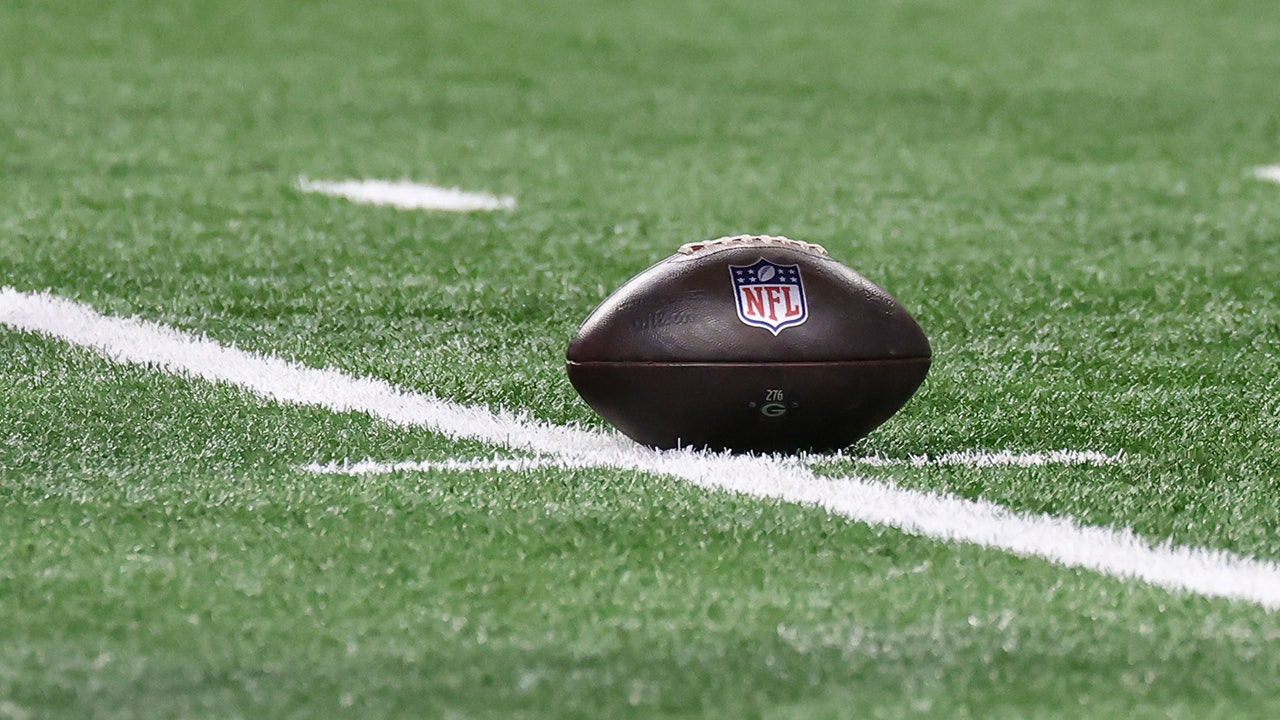

The NFL has announced a new initiative aimed at standardizing playing surfaces across its stadiums by 2028. This decision comes amid ongoing debates regarding the safety and quality of artificial turf compared to natural grass. NFL field director Nick Pappas detailed that this plan involves establishing rigorous testing protocols and guidelines to enhance player safety. Both grass and synthetic surfaces will undergo thorough assessments, with the league emphasizing the importance of consistency in playing conditions.
| Article Subheadings |
|---|
| 1) Overview of New Playing Surface Standards |
| 2) Implementation and Timeline of the Initiative |
| 3) Testing Methods and Technologies |
| 4) Safety Considerations for Players |
| 5) Future Implications for NFL Surfaces |
Overview of New Playing Surface Standards
The NFL has launched a program that aims to establish enhanced standards for all playing surfaces used in its stadiums. This initiative is in direct response to increasing concerns from players and coaches about the safety and quality of the field conditions. Currently, players across the league have expressed varying preferences for artificial turf versus natural grass, citing differences in injury rates and overall performance. The new standards are designed to ensure that every team plays under consistent conditions, leading to a uniform experience, regardless of the stadium.
Implementation and Timeline of the Initiative
Under the newly announced plan, the NFL mandates that all teams must comply with the enhanced standards by 2028. Before the 2026 playing season begins, each team will receive access to a “library of approved and accredited NFL fields.” This will include guidelines on both synthetic turf and natural grass, ensuring that all new installations meet the specified requirements. Furthermore, teams are encouraged to transition existing fields to align with the new standards within the two-year grace period. This systematic approach is intended to gradually phase out substandard surfaces that may increase injury risks for players.
Testing Methods and Technologies
To evaluate whether fields meet the established standards, rigorous testing protocols will be employed. Nick Pappas, the NFL field director, explained that two cutting-edge devices have been developed to assess playing surfaces: the BEAST and the STRIKE Impact Tester. The BEAST replicates the movements of NFL players to assess traction and mobility, while the STRIKE Impact Tester measures the surface’s firmness. Such detailed analyses will help identify which surfaces are “red,” “yellow,” or “green” based on their overall quality and safety. The aim is to create a metric-driven approach that effectively distinguishes acceptable field conditions from those that require urgent replacement.
Safety Considerations for Players
A primary focus of the new initiative is player safety. Research and data have indicated potential links between field surfaces and injury types, particularly concerning lower extremity injuries. The NFL’s chief medical officer, Dr. Allen Sills, emphasized that while the type of surface does play a role, it is just one component in a complex equation that also considers player workload, fatigue levels, and equipment choices. The league has reiterated that it will not mandate specific types of playing surfaces, as evidence does not conclusively show that one surface leads to significantly fewer injuries than another, although player preferences for grass over turf continue to persist.
Future Implications for NFL Surfaces
The long-term implications of the NFL’s new standards extend beyond mere compliance; they reflect a broader commitment to player welfare and operational reliability. Should these standards prove effective, they could spur further advancements in field technology and safety measurements not just within the NFL, but also influence lower levels of football, including collegiate and high school leagues. The game of football is rapidly evolving, necessitating adaptations that prioritize athletes’ health and consistent playability.
| No. | Key Points |
|---|---|
| 1 | The NFL’s new initiative aims to standardize playing surfaces across all stadiums by 2028. |
| 2 | Each team will receive a library of approved field types before the 2026 season. |
| 3 | The testing of fields will utilize advanced technology including traction and impact testers. |
| 4 | Player safety is a priority, and the league aims to reduce injury risks linked to playing surfaces. |
| 5 | The new standards could lead to technological advancements in field safety measurements. |
Summary
In summary, the NFL’s revised playing surface standards represent a significant step forward in prioritizing player safety across the league. With a clear timeline and robust testing mechanisms in place, the initiative aims to create a more uniform and safe environment in all 30 NFL stadiums. These developments will likely have lasting impacts, leading to enhanced field conditions and potentially influencing similar standards in lower levels of football.
Frequently Asked Questions
Question: Why is the NFL changing its standards for playing surfaces?
The NFL is changing its playing surface standards to enhance player safety and ensure consistency across all stadiums, addressing ongoing concerns about injuries related to field conditions.
Question: What technologies will be used to test the new field standards?
The league will employ two main testing devices: the BEAST, which evaluates traction mimicking player movements, and the STRIKE Impact Tester, which assesses the firmness of the field.
Question: Are NFL teams required to use natural grass fields?
The NFL has no plans to require natural grass fields, as research has shown no statistically significant differences in injury rates between natural and artificial surfaces.
