

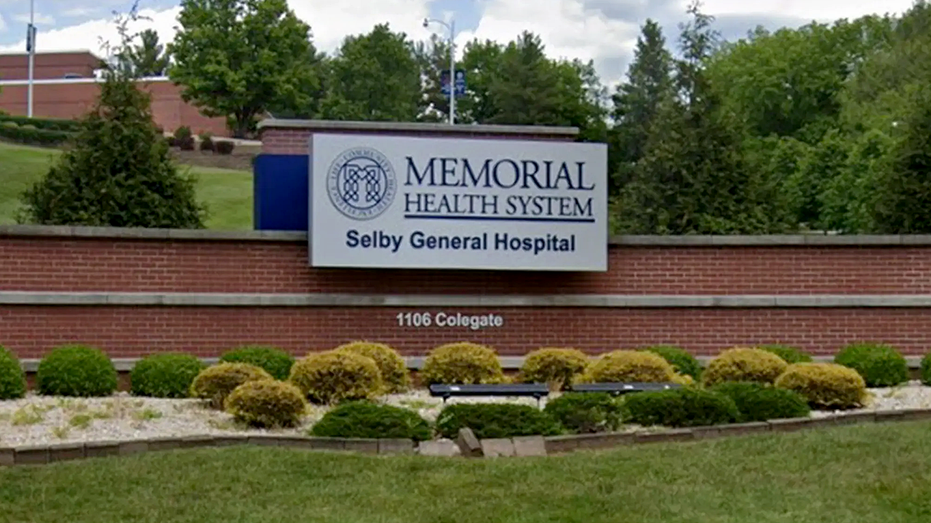

An Ohio woman is suing a hospital, her surgeon and other surgical staff after she allegedly underwent an amputation on the wrong leg. Sharon Jacks was scheduled for a below-the-knee amputation of her right leg because of cancer, but the lawsuit says her left leg was removed instead. Her attorney says medical records show the correct leg was marked and that two pre-surgery safety checks were conducted. The hospital has acknowledged an avoidable surgical event and said corrective measures were implemented.
Jacks later had her right leg amputated as well, leaving her without either leg. The lawsuit seeks compensatory and punitive damages for medical expenses, pain, emotional distress, permanent impairment and loss of enjoyment of life.
| 1) | The alleged wrong-leg operation |
| 2) | Claims about failed safety checks |
| 3) | The hospital’s response and review |
| 4) | Damages sought in the lawsuit |
| 5) | Why wrong-site surgery is a major safety concern |
The alleged wrong-leg operation
According to the complaint, Jacks went to Selby General Hospital in Marietta, Ohio, on Sept. 19, 2025, for a planned below-the-knee amputation of her right leg. The procedure was allegedly required because of cancer affecting that leg. The lawsuit says she awoke to discover that her left leg had been amputated instead. Her right leg was subsequently removed, making her a double amputee.
Brad Layne, Jacks’ attorney, described the alleged error as inexplicable and said the consequences will affect her for the rest of her life. The allegations remain claims in a civil lawsuit.
Claims about failed safety checks
The lawsuit names the hospital, the surgeon and other members of the operating team. It alleges a complete failure of basic safety procedures and says the team had two surgical time-outs before the operation. Those checks are intended to confirm the patient’s identity, the planned procedure and the correct surgical site before an incision is made.
Layne said records he reviewed indicate the surgeon initially marked the correct leg. He said the mark was still present on the right leg after the left leg had been removed. He also argued that every person in the operating room, including the surgeon, nurses, anesthesiologist and other staff, had responsibility for verifying the surgical site.
“Despite several opportunities to identify the mistake and stop the procedure, the surgical team somehow never noticed they were operating on the wrong leg,” Layne said in a statement.
The hospital’s response and review
Selby General Hospital confirmed that an adverse surgical event occurred in September 2025. The hospital said its team responded immediately to address Jacks’ medical needs and support her family. It also said an internal review found that the event was avoidable and that expected operating-room procedures were not followed.
The hospital said those involved were held accountable and are no longer in their positions. It reported that it cooperated fully with a review by the Ohio Department of Health. According to the hospital, that review confirmed its surgical protocols are safe and effective, while clinical and leadership teams implemented corrective measures intended to prevent a recurrence.
Damages sought in the lawsuit
Jacks is seeking compensatory and punitive damages. The complaint identifies past and future medical expenses, physical pain, emotional distress, permanent impairment and the loss of enjoyment of life as areas for compensation.
The case also concerns the long-term effects of living without either leg after the alleged error and the subsequent medically required amputation. The lawsuit does not establish liability by itself, and the claims will be addressed through the civil legal process.
Why wrong-site surgery is a major safety concern
Operating on the wrong body part is widely treated in health care as one of the most serious preventable medical errors. The lawsuit describes wrong-site surgery as a “never event,” a term used for incidents that should not occur when established safety safeguards are followed.
The allegations underscore why surgical teams use site markings and time-outs before procedures. In this case, Jacks’ attorney says those safeguards were documented but did not prevent the wrong-leg amputation. The hospital’s stated corrective measures are intended to strengthen compliance with operating-room procedures.
| Number | Key Point |
|---|---|
| 1 | The lawsuit says the wrong leg was amputated during a September 2025 procedure. |
| 2 | Jacks later lost her right leg as well, becoming a double amputee. |
| 3 | The hospital acknowledged an avoidable event and reported corrective action. |
| 4 | The complaint seeks compensation for medical, physical and emotional harms. |
Summary
The lawsuit alleges that a series of operating-room failures led to the removal of the wrong leg from an Ohio cancer patient, despite documented site marking and two reported time-outs. Selby General Hospital has acknowledged that the event was avoidable, said personnel were held accountable and reported corrective measures. The court case will determine responsibility and any damages owed.
Frequently Asked Questions
What happened during Sharon Jacks’ surgery?
The lawsuit says Jacks was scheduled for a below-the-knee amputation of her cancerous right leg but woke up after her left leg had been removed.
Where and when did the alleged error occur?
The procedure took place at Selby General Hospital in Marietta, Ohio, on Sept. 19, 2025.
What has the hospital said about the case?
The hospital confirmed an adverse surgical event, called it avoidable, said expected procedures were not followed and reported corrective measures after internal and state reviews.
What damages is the lawsuit seeking?
The complaint seeks compensatory and punitive damages for medical expenses, pain and suffering, emotional distress, permanent impairment and loss of enjoyment of life.
