

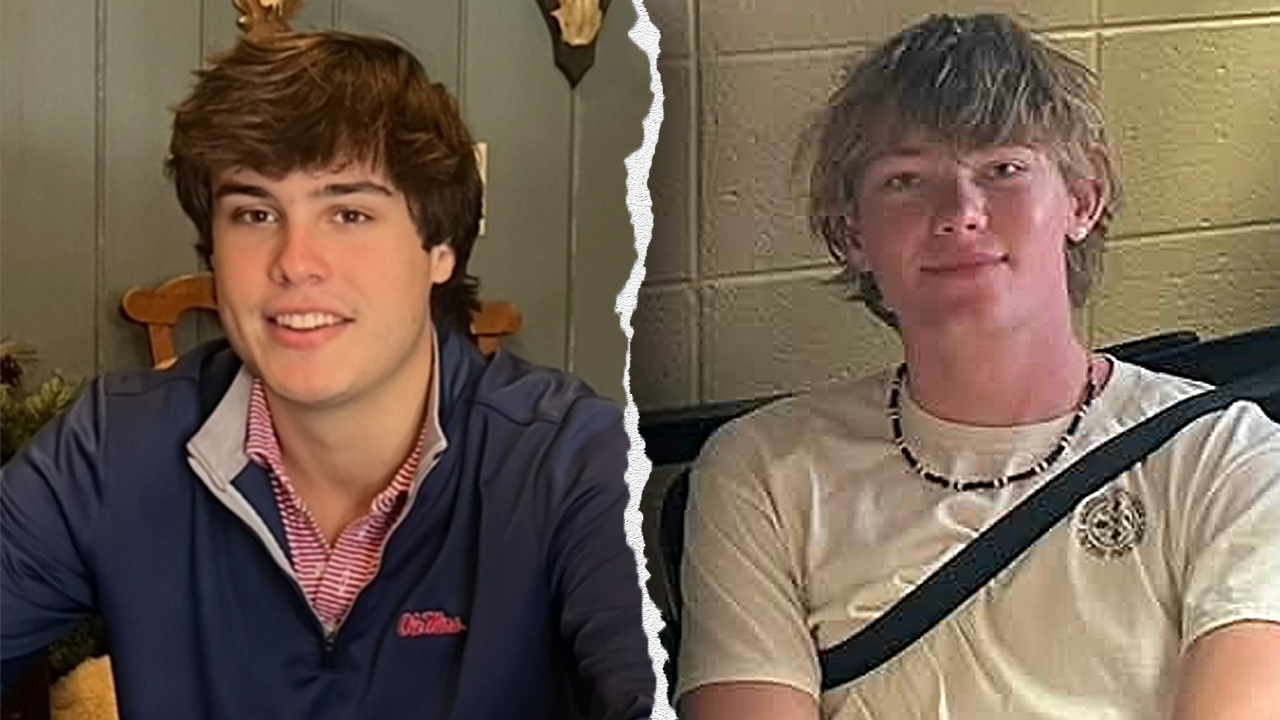

The tragic deaths of two University of Mississippi students, Aidan Hamilton and Robert Strang, have raised significant concerns regarding the use of synthetic drugs. According to federal court documents, both individuals had lethal substances, specifically Mitrogynine and two controlled compounds identified as MGM-15 and MGPI, in their bloodstreams at the time of their passing. Investigators have linked these substances to products sold at a local tobacco store before their untimely demise, prompting law enforcement to take action against the alleged suppliers.
| Article Subheadings |
|---|
| 1) Background of the Incident |
| 2) Toxicology Reports Reveal Dangerous Substances |
| 3) Investigative Actions Taken by Law Enforcement |
| 4) Legal Consequences for Those Involved |
| 5) Community and Institutional Responses |
Background of the Incident
On September 21, tragic news emerged from Oxford, Mississippi, where two students from the University of Mississippi lost their lives. Aidan Hamilton, aged 18, and Robert Strang, aged 20, were discovered unresponsive, leading local authorities to immediately launch an investigation into the circumstances surrounding their deaths. The community was shocked by their sudden demise, which raised questions about substance abuse and the safety of young adults in college environments.
The loss of these students resonated deeply throughout the university, bringing attention to the broader issue of drug misuse within college towns. As officials sought to piece together the events leading up to their deaths, initial reports suggested a possible connection to unnamed substances present in their bodies. As investigations unfolded, the severity and implications of their deaths began to surface.
Toxicology Reports Reveal Dangerous Substances
Recent court documents have highlighted the findings of toxicology reports that were conducted on both victims. According to the reports, Aidan Hamilton and Robert Strang both had Mitrogynine, a compound often linked to kratom, and two Schedule 1 controlled substances, MGM-15, and MGPI, in their bloodstreams at the time of death. These findings have become pivotal in understanding the substance that led to their tragic end.
The substances found were reportedly identified in Smax-Mango Breeze pills, which were believed to be in the possession of the two students. Official statements from law enforcement emphasized the concern over these particular products and their association with overdose deaths. Such revelations have prompted discussions surrounding the legality and regulation of these substances in Mississippi and other states, raising alarms among public health officials and advocates focusing on substance abuse.
Investigative Actions Taken by Law Enforcement
Following the deaths, the Lafayette County Metro Narcotics unit launched a thorough investigation into the circumstances of the case. Officers collected evidence from various locations, including the homes of the deceased, where packaging related to kratom products was found. Reports indicate that officers discovered multiple packages of a product labeled Smax Mango Breeze, which was linked to sales at a local tobacco store, Puffs Vape, Tobacco, and Beer Store.
To delve deeper into the transaction trail, law enforcement conducted surveillance and purchasing operations at the tobacco shop. They tracked purchases made by Aidan Hamilton and Robert Strang, establishing a connection to their suspected source of the lethal substances. Federal investigators executed a search warrant on the store, revealing identical product packaging to what was sold to the victims, which further compounded evidence against the alleged suppliers.
Legal Consequences for Those Involved
In the aftermath of the investigation, significant legal actions have emerged. Yahya Mohamed Mosleh, a 51-year-old man tied to the tobacco shop, along with his son Islam Mohamed Mosleh, aged 18, were arrested and charged with multiple federal drug offenses. These charges stem from their involvement in the sale of dangerously misbranded drugs and products linked to the deaths of Hamilton and Strang.
Court documents detailed the circumstances surrounding a controlled purchase made by law enforcement officials from Yahya Mosleh, who reportedly sold products that had long been prohibited under local ordinances. The severity of the charges reflects both the tragic consequences of drug misuse and the legal accountability that individuals must bear when involved in such reckless distribution of controlled substances.
Community and Institutional Responses
The deaths of Aidan Hamilton and Robert Strang have ignited a dialogue within the Ole Miss community about drug safety, prevention programs, and the necessity for thorough awareness actions regarding substance use. University officials and student organizations are actively promoting educational initiatives that aim to inform students of the risks associated with synthetic drugs and substance misuse.
Additionally, there have been calls for stricter regulations concerning the sale of kratom and similar substances, as community members rally for measures that could prevent further tragedies. Campus safety initiatives are now focusing on equipping students with resources and support to help combat substance abuse, marking a proactive approach to addressing a growing concern within academia.
| No. | Key Points |
|---|---|
| 1 | Two University of Mississippi students died due to overdoses linked to synthetic substances. |
| 2 | Toxicology reports revealed the presence of Mitrogynine, MGM-15, and MGPI in their systems. |
| 3 | Investigators connected the deaths to products sold at a local tobacco shop. |
| 4 | Yahya and Islam Mosleh were arrested for their roles in the narcotics investigation. |
| 5 | The incident has sparked conversations about drug regulations and community safety measures. |
Summary
The deaths of Aidan Hamilton and Robert Strang serve as a tragic reminder of the dangers of synthetic drugs and the pressing need for heightened awareness and regulatory action. As investigators press forward with their inquiries and the legal ramifications unfold, the University of Mississippi community grapples with loss while aiming to prevent further incidents through education and advocacy. The case underscores a critical issue that impacts not only local communities but the broader societal challenge of substance misuse among youth.
Frequently Asked Questions
Question: What substances were found in the blood of the deceased students?
The toxicology reports revealed the presence of Mitrogynine, MGM-15, and MGPI in the bloodstreams of Aidan Hamilton and Robert Strang at the time of their deaths.
Question: What legal actions have been taken against the suspect involved?
Two individuals, Yahya Mohamed Mosleh and his son Islam Mohamed Mosleh, have been charged with federal drug offenses related to their roles in selling dangerous substances linked to the students’ deaths.
Question: How has the University of Mississippi responded to these incidents?
The University has initiated educational programs to raise awareness about the dangers of synthetic drugs and is advocating for stricter regulations on substances like kratom in response to these tragic occurrences.
