

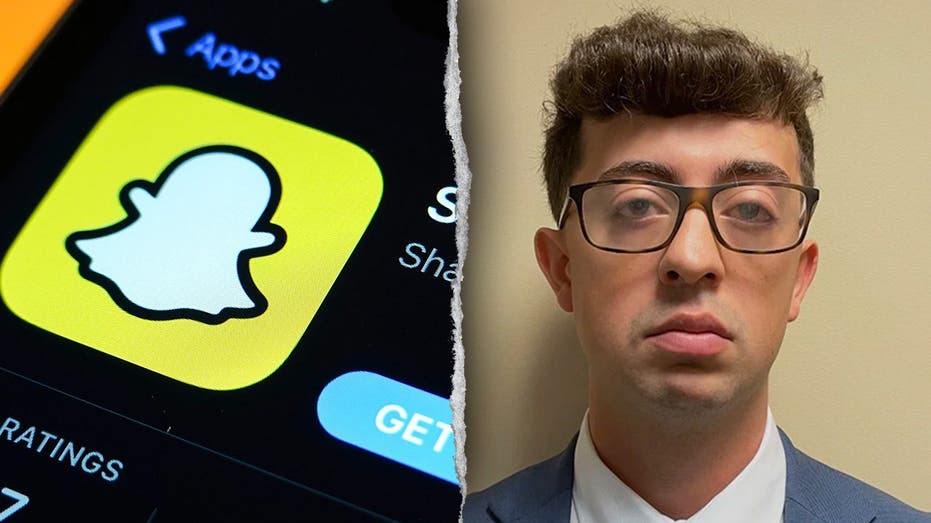

Court documents describe an alleged multi-state cocaine trafficking operation involving 14 defendants and two Penn State fraternity houses. Investigators allege that suspects used Cash App to transfer money and Snapchat to arrange cocaine purchases and deliveries. Agostino Abbatiello, 24, is identified as an alleged ringleader and was among those charged. The allegations remain subject to court proceedings.
The complaints detail alleged drug activity connected to the Delta Upsilon and Sigma Chi fraternities in State College, Pennsylvania. Authorities say pledges and other participants were involved in cutting, packaging, transporting, selling or distributing cocaine supplied from New York and Philadelphia.
| 1) | The alleged operation and defendants |
| 2) | Cash App payments described in complaints |
| 3) | Snapchat allegedly used to arrange transactions |
| 4) | Fraternity locations and alleged drug handling |
| 5) | The charges and legal status of the case |
The alleged operation and defendants
Pennsylvania authorities allege that 14 people participated in a cocaine trafficking operation associated with Penn State fraternity members. Agostino Abbatiello is accused of serving as the operation’s central figure. He turned himself in on a Tuesday morning, according to the state attorney general, and was arraigned without bail being granted.
The complaints describe alleged activity involving the purchase, packaging, transportation, sale and distribution of cocaine. The investigation spans multiple states, with authorities alleging that drugs were brought from New York and Philadelphia to the State College area. The charges are allegations, and defendants are presumed innocent unless proven guilty.
Cash App payments described in complaints
One complaint alleges that an associate sent approximately $30,000 to Agostino Abbatiello through Cash App in exchange for drugs. The alleged payment is presented by investigators as part of the financial trail connected to the operation.
The complaints do not establish a conviction or final finding about the transfer. Instead, prosecutors are using the alleged digital payment, alongside other evidence, to describe how money and cocaine were exchanged. The use of a widely available payment platform allegedly allowed participants to move funds electronically while arranging transactions away from traditional cash-only exchanges.
Snapchat allegedly used to arrange transactions
Authorities also allege that Snapchat was used to communicate about cocaine purchases and deliveries. Mohammed Huraibi, 22, allegedly testified before a grand jury that he arranged his first cocaine purchase from Agostino Abbatiello through Snapchat during the fall of 2023.
Thomas Michael Robinson, 23, is accused of facilitating the delivery of suspected cocaine in 2024 through a Snapchat account using his name. One complaint alleges that Robinson and Huraibi combined cash to purchase about 100 grams of cocaine for $4,000.
The alleged agreement involved the purchase of around 100 grams of cocaine for $4,000, according to a criminal complaint.
Fraternity locations and alleged drug handling
The Delta Upsilon and Sigma Chi fraternity houses in State College are identified in the case as locations connected to the alleged operation. Court documents say Agostino Abbatiello allegedly delivered 100 grams of cocaine to Mohammed Huraibi at Delta Upsilon in exchange for cash.
Investigators further allege that pledges cut and packaged drugs. The complaints describe the fraternity-linked locations as part of a broader distribution network rather than as proof that every member or resident was involved. The allegations come as authorities separately examine claims involving hazing and fraternity conduct.
The charges and legal status of the case
A grand jury returned charges against 14 defendants in connection with the alleged trafficking operation. Agostino Abbatiello faces the allegations described as those of the suspected kingpin, while Thomas Michael Robinson and Mohammed Huraibi are specifically referenced in complaints concerning alleged cocaine transactions.
The case remains in the criminal justice process. Allegations in complaints and grand jury materials are not findings of guilt, and the defendants will have opportunities to contest the evidence in court. Further proceedings will determine how prosecutors’ claims are evaluated.
| Number | Key Point |
|---|---|
| 1 | Fourteen defendants were charged in the alleged operation. |
| 2 | Cash App was allegedly used for a payment of approximately $30,000. |
| 3 | Snapchat was allegedly used to arrange purchases and deliveries. |
| 4 | The allegations involve Delta Upsilon and Sigma Chi in State College. |
| 5 | All defendants are presumed innocent unless proven guilty. |
Summary
The court documents portray an alleged fraternity-linked cocaine network that relied on digital messaging and payment tools to coordinate sales and deliveries. The case involves 14 defendants and alleged drug activity in and around Penn State’s State College campus. Prosecutors must still prove the charges in court, while the defendants retain the presumption of innocence.
Frequently Asked Questions
How many people were charged?
Grand jury documents identify 14 defendants in connection with the alleged cocaine trafficking operation.
Which apps were allegedly used?
The complaints allege that Cash App was used for payments and Snapchat was used to arrange cocaine purchases and deliveries.
What role is alleged for the fraternities?
Court documents connect the alleged activity to the Delta Upsilon and Sigma Chi fraternity houses in State College, including an alleged delivery at Delta Upsilon.
Have the defendants been convicted?
No. The allegations are being addressed through criminal proceedings, and the defendants are presumed innocent unless proven guilty.
