

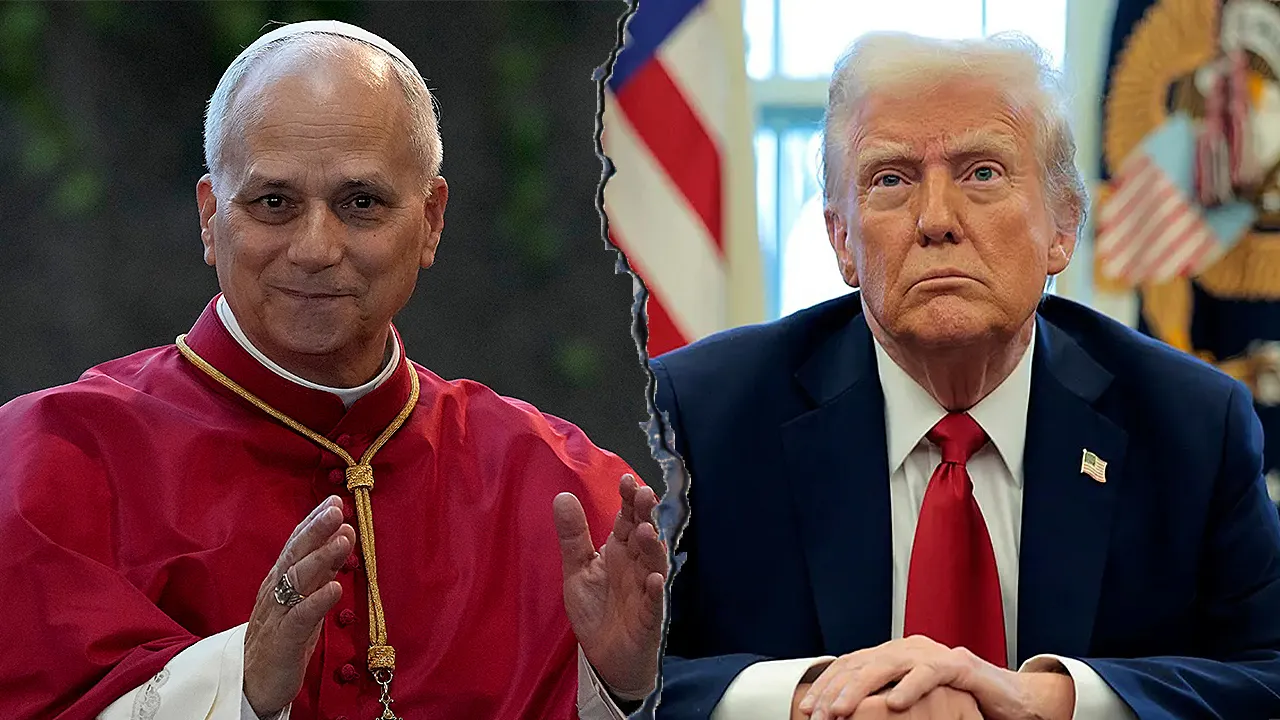

Pope Leo has made a significant appeal regarding the escalating military tensions surrounding Venezuela, particularly emphasizing the importance of dialogue over military action to address the challenges posed by President Nicolás Maduro’s regime. His comments come in light of increased pressure from the United States, as President Trump reportedly seeks to expedite change in Venezuela’s leadership due to ongoing allegations of drug trafficking. The Pope’s remarks, delivered during a flight home from Lebanon, signal a plea for humanitarian considerations amidst geopolitical complexities.
| Article Subheadings |
|---|
| 1) The Pope’s Concerns Over Military Action |
| 2) U.S. Military Presence and Ultimatum |
| 3) Dialogue as a Preferred Option |
| 4) The Role of the Holy See in Peace Negotiations |
| 5) Broader Implications of U.S. and Venezuelan Relations |
The Pope’s Concerns Over Military Action
Pope Leo expressed his apprehensions regarding the potential for military intervention in Venezuela during a press conference on his return flight from Lebanon. The pontiff indicated that military actions could exacerbate the already dire humanitarian situation in Venezuela. He emphasized, “We are trying to find a way to calm the situation, seeking above all the good of the people, because in these situations it is the people who suffer, not the authorities.” The Pope’s message underscores a plea for compassion and the protection of civilians, reflecting the Vatican’s longstanding emphasis on diplomacy as a solution to international conflicts.
The Pope’s remarks came against the backdrop of rising tensions. He criticized the fluctuation of signals coming from the U.S. regarding its intentions in Venezuela, acknowledging the changeable nature of international relations. With his history of advocating for peace and humanitarian action, the Pope seeks to remind global leaders to prioritize the well-being of citizens over political maneuvering and military posturing.
U.S. Military Presence and Ultimatum
The United States has notably intensified its military presence in the Caribbean region, primarily focused on Venezuela. Reports suggest that President Trump has issued an ultimatum to President Maduro demanding his immediate resignation. The U.S. military operations are aimed at curbing the influence of Maduro’s regime, which is accused of orchestrating drug trafficking that extends beyond its borders. Following the appointment of Pope Leo, the Vatican has been particularly observant of these developments, recognizing their potential to incite further conflict.
As the U.S. maintains a substantial naval presence off the coast of Venezuela, the prospect of direct confrontation looms large. The military buildup may signal preparations for a more aggressive stance, which the Pope cautioned against, calling for attention to the repercussions such actions would have on Venezuelan civilians. Such military moves are not only seen as a threat to Venezuela’s sovereignty but also raise ethical questions about the humanitarian impact on millions affected by these decisions.
Dialogue as a Preferred Option
In light of the growing tensions, Pope Leo is advocating for dialogue as the best path forward. “I believe it is better to seek dialogue within this pressure,” he stated, emphasizing that international dynamics should shift towards invoking conversation rather than confrontation. The Pope believes that dialogue can lead to more sustainable solutions and potentially mitigate the suffering of the Venezuelan populace, who bear the burden of governmental conflicts and foreign interventions.
His insistence on dialogue reflects a broader challenge faced not only by Venezuela but also by other nations experiencing political unrest. By highlighting the importance of diplomatic engagement alongside economic pressure, the Pope suggests a comprehensive approach to resolving issues—one that seeks engagement rather than outright aggression. In recent statements, he has drawn on historical instances of successful negotiations that have led to lasting peace, underlining the necessity of understanding different perspectives for any potential reconciliation.
The Role of the Holy See in Peace Negotiations
The Vatican has a historical precedent of playing a crucial role “behind the scenes” in global diplomatic efforts, often mediating conflicts and advocating for peaceful resolutions. Pope Leo emphasized the Holy See’s commitment to peacemaking, stating that the church’s role is to foster dialogue and promote understanding among conflicting parties. This role is particularly pertinent in the complex geopolitical landscape surrounding Venezuela, where outside intervention often complicates matters further.
The Pope’s comments reflect a desire for the Holy See to engage more actively in peace negotiations involving Venezuela and other tumultuous regions. As tensions with Venezuelan authorities heighten, the Vatican’s experience and moral authority could be instrumental in shifting the dynamics away from military engagement and toward peaceful resolutions. His call for a diplomatic approach resonates not only with the people of Venezuela but also with nations scrutinizing the effectiveness of interventionist policies in foreign affairs.
Broader Implications of U.S. and Venezuelan Relations
The ongoing conflict in Venezuela holds implications beyond its borders, affecting international relations and policies within the Americas and beyond. The U.S. stance against Maduro has garnered mixed reactions, with some nations expressing support for sanctions while others criticize foreign interference. The Pope’s comments reflect concerns that unilateral military actions could lead to further destabilization of an already fragile situation.
The global community watches closely as the United States navigates its relationship with Venezuela, balancing national interests against humanitarian concerns. The Pope’s advocacy for dialogue invites leaders to reconsider their strategies and approach foreign policy through a lens of empathy and respect for human dignity. In a world where military options appear increasingly viable, the Pope’s perspective urges a reevaluation of the potential long-term consequences of such actions on international relations and global stability.
| No. | Key Points |
|---|---|
| 1 | Pope Leo urges dialogue over military intervention in Venezuela. |
| 2 | U.S. military presence in the Caribbean signals potential intervention. |
| 3 | Trump’s ultimatum to Maduro raises tensions further. |
| 4 | The Vatican emphasizes its role in mediating peace negotiations. |
| 5 | Pope’s remarks highlight global implications of U.S.-Venezuela relations. |
Summary
Pope Leo’s call for dialogue over military intervention underscores the humanitarian crises exacerbated by geopolitical conflicts. As tensions between the U.S. and Venezuela continue to escalate, his emphasis on peaceful negotiation resonates with global leaders and advocates against military action. The Pope’s vision of a diplomatic approach could promote an environment conducive to addressing the root causes of Venezuela’s turmoil, serving as a critical reminder of the need for empathy in international relations.
Frequently Asked Questions
Question: Why is the Pope concerned about military action in Venezuela?
Pope Leo is concerned that military actions would exacerbate the humanitarian crisis in Venezuela, where innocent civilians would suffer the most from such interventions. He advocates for diplomatic solutions instead to ensure the welfare of the population.
Question: What ultimatum did Trump give to Maduro?
President Trump reportedly issued an ultimatum demanding that President Maduro resign immediately, indicating heightened tensions and potential military action if he does not comply.
Question: How has the Holy See been involved in international conflicts?
The Holy See has historically engaged in peace negotiations and diplomatic efforts to mediate conflicts, often advocating for non-violent resolutions to political disputes around the world.
