


The recent developments surrounding tariff refunds have caused a significant stir within the retail sector, notably impacting earnings reports across major corporations. With the Supreme Court ruling that President Donald Trump overstepped his authority regarding tariff imposition, retailers are now navigating a complex landscape to understand how to appropriately report these unexpected financial windfalls. This situation has created a variety of outcomes for different companies, as they implement strategies to manage these refunds amidst rising inflation and cost pressures.
| Article Subheadings |
|---|
| 1) Understanding Tariff Refunds |
| 2) Price Manipulation Strategies |
| 3) Margin Improvements and Earnings |
| 4) Retail Sector’s Reporting Challenges |
| 5) Future Implications for Retail Pricing |
Understanding Tariff Refunds
In February, the Supreme Court ruled that the International Emergency Economic Powers Act did not grant the authority needed for President Donald Trump to impose tariffs. This decision has had direct financial repercussions for many retailers, most of whom sought refunds for previously paid tariffs. As they received these refunds during the second quarter, retailers reported notable boosts in their profit margins. For many, these refunds presented an unexpected but welcome financial relief amid inflationary pressures. As companies wrestle with higher costs linked to rising fuel prices, the tariff refunds have become a pivotal factor in mitigating these financial burdens.
Price Manipulation Strategies
Different retailers are employing varied strategies in response to the influx of tariff refunds, leading to a diverse range of outcomes concerning pricing. For instance, companies such as Home Depot openly declared their intention to utilize the additional funds to lower prices for consumers. In their fiscal second quarter, the company reported a 0.3% increase in gross margins, driven primarily by tariff refunds, which amounted to $730 million. CFO Richard McPhail confirmed that a significant portion of these funds was funneled into reducing the cost of goods sold, enhancing affordability for consumers.
Similarly, Walmart has indicated a commitment to using approximately $2.9 billion of previously received tariff refunds to lower prices for its customers. During a recent conference call, CFO John David Rainey mentioned that Walmart’s gross profit grew 1.6% due to the beneficial impact of these refunds. The strategy aims to enhance customer value while providing the opportunity to attract more shoppers in a competitive marketplace.
Margin Improvements and Earnings
While some retailers chose to invest tariff refunds into lower pricing, others prioritized improving their profit margins. For instance, Lowe’s reported an 11-cent boost in earnings per share attributable to tariff refunds. CEO Marvin Ellison emphasized the company’s focus on delivering strong profitability to shareholders rather than aggressive pricing strategies. According to Ellison, Lowe’s received around $80 million in tariff repayments and did not intend to use those funds to undercut prices, marking a distinct strategy compared to competitors focusing on price cuts.
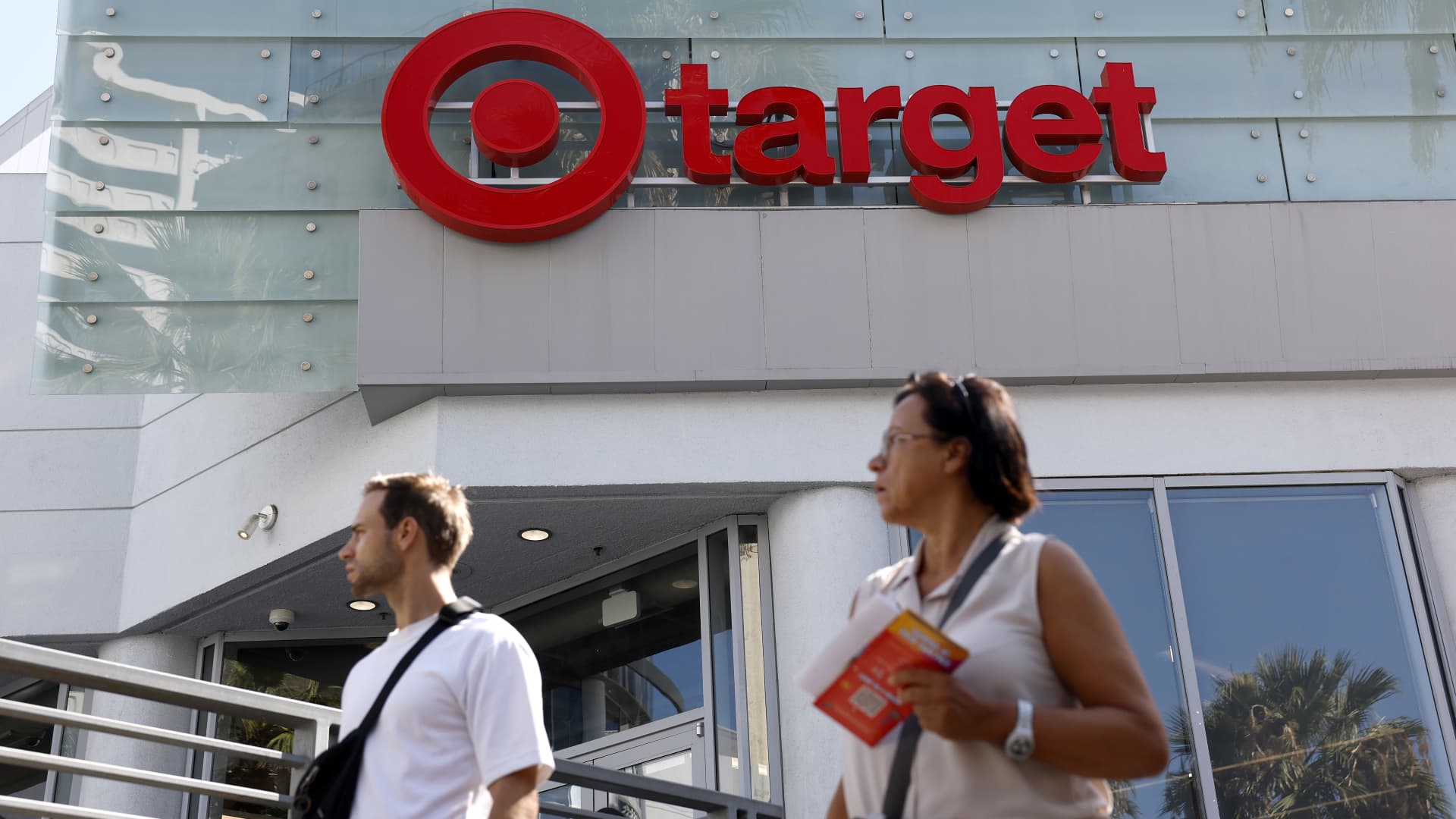
In contrast, Target reported a significant impact from tariff refunds, with a $752 million boost to net earnings, reflecting $1.65 per share. The retailer used part of these funds to reduce net operating income but did not specify whether any was allocated for price cuts. Each corporation’s choice illustrates the varied approaches taken to handle the influx of refunds, highlighting a divergence influenced by corporate strategy and market positioning.
Retail Sector’s Reporting Challenges
The complexities of reporting these tariff refunds have led to confusion in understanding the financial health of various retailers. According to Bryan Eshelman, a managing director at AlixPartners, there are multiple factors that impact how refunds are reported, including a retailer’s position in the market and whether they serve as the importer of record for goods. Many retailers may not directly import their products, complicating the attribution of refunds. Additionally, the internal processes used by retailers to document these transactions significantly affect the reconciliation of refunds with sold products.
“It’s not a simple task,” stated Eshelman, highlighting the challenges companies face in determining how to best incorporate these refunds into their financial statements. The differences in reporting methods have resulted in disparate portrayals of financial success, leading to challenges for investors trying to deduce the strength of a retailer’s position.
Future Implications for Retail Pricing
As retailers benefit from these tariff refunds, future pricing strategies may evolve, especially as inflationary pressures continue. The introduction of these unexpected financial gains comes with consequences. With the boosts this quarter skewing year-over-year performance comparisons, retailers face higher expectations for future quarters.
“It’s an unfair positive comparison to last year’s quarter, and it’s going to be an unfair negative comparison to next year’s quarter,” Eshelman noted. This situation prompts investors to adjust their expectations realistically moving forward. Additionally, with ongoing inflation challenges, retailers will need to navigate how best to balance customer expectations and maintain profitability.
The challenges faced by retailers amid these refunds reflect a broader evolution in their approaches to pricing and consumer engagement. Many companies must create a pricing perception that resonates with consumers, a marketing challenge that is central to their ongoing success.
| No. | Key Points |
|---|---|
| 1 | Tariff refunds have become prominent following a Supreme Court decision, impacting retailers’ financials significantly. |
| 2 | Companies like Home Depot and Walmart leverage refunds to lower prices and boost consumer appeal. |
| 3 | Lowe’s focuses on enhancing profit margins rather than implementing price cuts with their tariffs benefits. |
| 4 | Reporting inconsistencies around tariff refunds complicate investors’ ability to gauge financial health. |
| 5 | Retailers must manage consumer expectations amid future pricing strategies in response to changing economic conditions. |
Summary
The recent tariff refund scenario underscores critical shifts within the retail sector as companies grapple with adapting to new financial realities. By balancing cost pressures and consumer expectations, businesses are navigating a challenging marketplace where strategic pricing and effective reporting are essential. As they develop their strategies for using these refunds, stakeholders will be closely monitoring the potential long-term implications for profitability, consumer behavior, and market dynamics.
Frequently Asked Questions
Question: What are tariff refunds?
Tariff refunds occur when import tariffs that were previously paid are reimbursed to businesses, particularly in response to judicial rulings that deem those tariffs unauthorized or excessive.
Question: How are retailers using their tariff refunds?
Retailers are utilizing their tariff refunds in various ways, including lowering prices for consumers or enhancing profit margins, depending on their strategic positioning and marketplace strategies.
Question: Why is there confusion related to retailer earnings reports?
Confusion arises from the differing methods retailers use to report how they are incorporating tariff refunds into their earnings, which impacts investors’ ability to gauge financial performance.
