

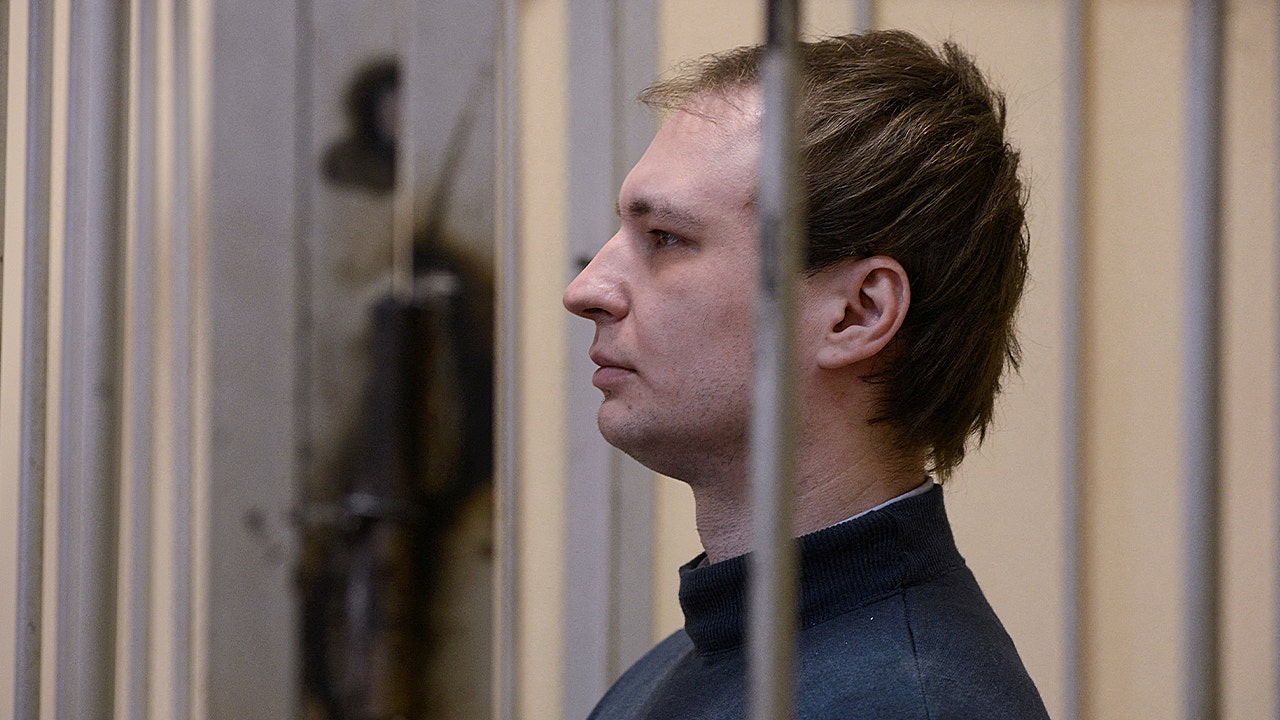

In a recent legal development, U.S. citizen and former Marine Robert Gilman has had his prison sentence in Russia extended. A regional court in Voronezh found him guilty of assaulting prison staff, adding two more years to his existing term, which now totals ten years. Gilman, who was first arrested in January 2022, has faced a series of escalating charges that have significantly increased his time behind bars.
| Article Subheadings |
|---|
| 1) Background on Robert Gilman’s Arrest |
| 2) Details of the Latest Conviction |
| 3) Escalating Legal Issues in Russian Custody |
| 4) Reactions and Responses from Gilman’s Supporters |
| 5) Broader Context of Americans Imprisoned in Russia |
Background on Robert Gilman’s Arrest
Robert Gilman, originating from Dracut, Massachusetts, was initially detained in January 2022 after causing a disturbance on a train. Passengers reported his disruptive behavior, which authorities attributed to his inebriated state. Russian transport police arrested him for petty hooliganism in Voronezh, an event that would escalate into a series of legal troubles.
During his arrest, Gilman asserted that he believed his drink had been spiked, leading to his erratic behavior. His claims raise questions about the circumstances surrounding his initial encounter with law enforcement. Subsequent legal proceedings evolved rapidly, leading to a conviction for assaulting a police officer, resulting in a sentence of three and a half years. Prosecutors recommended a longer sentence of four and a half years, highlighting the serious nature of the charges against him from the start.
Details of the Latest Conviction
On Wednesday, the Voronezh court ruled that Gilman had committed a further offense by attacking two prison guards. Prosecutors argued that this incident warranted additional punishment and resulted in an increase of his sentence by two years, bringing his total imprisonment period to ten years. This extension reflects a concerning trend in Gilman’s legal situation as it indicates a pattern of escalating charges since his initial arrest.
The ruling has drawn attention not only for its immediate implications for Gilman but also as part of a broader conversation regarding American citizens facing legal challenges abroad, particularly in Russia. The court’s actions have been perceived as part of a stringent penal system with little room for leniency, especially for foreign nationals.
Escalating Legal Issues in Russian Custody
In the context of Gilman’s ongoing imprisonment, several incidents have provoked serious legal ramifications. In 2024, while still in custody, he faced new charges after reportedly attacking a prison inspector and a guard during various confrontations within the facility. Each incident compounded his legal issues and drastically increased his sentence. Ultimately, this series of convictions pushed his total time in prison to a decade, symbolizing how quickly legal troubles can evolve in detention facilities.
Reportedly, Gilman admitted to some of the assaults while expressing his distress at the prospect of being transferred to a more severe institution. He characterized his current facility as relatively humane but feared the conditions of a maximum-security penal colony. This fear, coupled with the threats of transfer, has apparently been a catalyst for Gilman’s deteriorating behavior while incarcerated. On the latest court date, he offered an apology, revealing a deep sense of desperation to remain in his current location.
Reactions and Responses from Gilman’s Supporters
Gilman’s family and supporters in the United States have vehemently defended him, claiming that he was suffering from a mental health crisis during his initial arrest. They argue that he was incapable of responsible behavior due to overconsumption of alcohol. As his prison term has worsened, there is an increasing outcry regarding the treatment of American citizens in foreign prisons, especially from a humanitarian perspective.
Supporters have called for intervention from U.S. officials, insisting that Gilman’s situation is emblematic of broader issues faced by Americans detained abroad. They highlight his deteriorating mental state and his claims of unfair treatment, emphasizing that the government should take more action to protect its citizens. Meanwhile, Gilman’s attorney has indicated that they will not be appealing the latest verdict, thus leaving him to serve out his extended sentence.
Broader Context of Americans Imprisoned in Russia
Gilman is not alone in his plight; his case represents a growing trend of *at least nine Americans* currently imprisoned in Russia. Several of these individuals have military backgrounds, like Gilman, which raises concerns about the overall treatment of American detainees in a legal system marked by hostility toward foreigners. The geopolitical situation further complicates these cases, with ongoing tensions between Russia and the United States affecting the treatment of American prisoners.
High-profile prisoner exchanges in recent years have attempted to address the plight of Americans jailed in Russia. However, the complexities of each case mean that many still face long terms without clear pathways to freedom. The growing catalog of charges against Gilman particularly demonstrates how vulnerable American citizens can be in foreign legal systems, leading to questions about safety and support for those travelling abroad.
| No. | Key Points |
|---|---|
| 1 | Robert Gilman, a former Marine, has been sentenced to ten years in a Russian prison after facing a series of legal charges. |
| 2 | He was initially arrested in January 2022 for causing a disturbance on a train. |
| 3 | The latest court ruling adds two years to his sentence for assaulting prison staff. |
| 4 | Gilman’s situation is emblematic of the treatment faced by many Americans imprisoned abroad. |
| 5 | Supporters urge U.S. officials to intervene on his behalf, citing health concerns and unjust treatment. |
Summary
The ongoing case of Robert Gilman underscores the complexities involved in the legal systems facing American citizens abroad, particularly in nations with strained relations with the United States. As his prison term extends to ten years, it serves as a grim reminder of the potential consequences of behavior abroad and the often-unforgiving nature of foreign legal frameworks. The action taken by the Voronezh court highlights not only Gilman’s struggles but also raises broader questions about the rights and treatment of Americans imprisoned overseas.
Frequently Asked Questions
Question: What led to Robert Gilman’s initial arrest in Russia?
Robert Gilman was initially arrested for causing a disturbance while heavily intoxicated on a train in January 2022.
Question: How has Gilman’s sentence changed since his arrest?
Gilman’s sentence has expanded from an initial three and a half years to a total of ten years due to multiple convictions, including the recent addition for assaulting prison guards.
Question: What is the current situation for other Americans imprisoned in Russia?
At least nine other Americans are currently imprisoned in Russia, many facing serious legal challenges, which raises concerns about their treatment and the lack of support from U.S. officials.
