

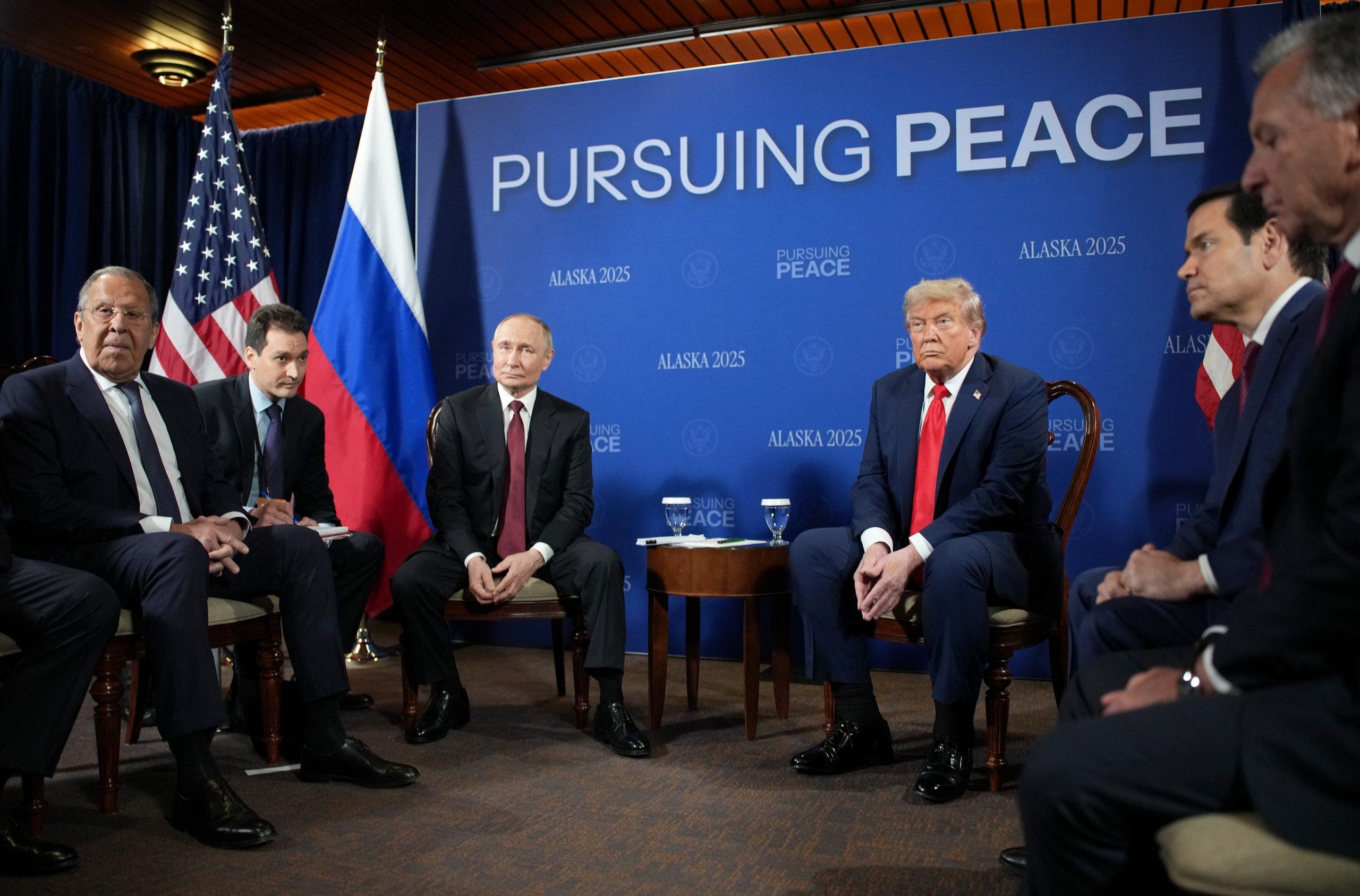

Russian Foreign Minister Sergey Lavrov has issued stark warnings regarding potential military escalations involving European nations and the ongoing conflict in Ukraine. Lavrov’s remarks came during a session with the Federation Council, wherein he stated that Moscow is poised to retaliate against any European troop deployments to Ukraine or the seizure of frozen Russian assets intended to support Kyiv. Despite his warnings, he also expressed that Russia does not desire war with Europe but is fully prepared to respond if it perceives an escalation from Western countries.
In a separate context, Ukrainian President Volodymyr Zelenskyy announced a significant dialogue with senior officials from the previous American administration, focusing on Ukraine’s reconstruction and economic recovery. Zelenskyy emphasized the need for ongoing discussions concerning security guarantees and economic collaboration. His overtures come amid the heightened tensions outlined by Lavrov, suggesting a complex interplay of diplomatic efforts and military threats.
This article explores the ramifications of these developments, highlighting Lavrov’s warnings, Zelenskyy’s initiatives for peace, and the broader implications for European-Russian relations.
| Article Subheadings |
|---|
| 1) Lavrov’s Warning to Europe |
| 2) Zelenskyy’s Outreach for Reconstruction Talks |
| 3) The Political Context of the Ukraine Crisis |
| 4) Implications of International Diplomacy |
| 5) Future of European-Russian Relations |
Lavrov’s Warning to Europe
During a recent session before the Federation Council, Sergey Lavrov articulated Moscow’s position regarding escalating tensions with Europe. He warned that Russia would take specific retaliatory measures if European nations proceed with deploying troops in Ukraine or confiscating Russian assets intended to bolster Kyiv’s war effort. According to Lavrov, “We will respond to any hostile steps, including the deployment of European military contingents in Ukraine and the expropriation of Russian assets.” This statement underlines Russia’s preparedness for military action coupled with a defensive posture against perceived Western hostility.
This warning is part of a broader narrative wherein Russia positions itself as a victim of aggressive Western actions. Lavrov emphasized that despite Russia’s readiness to act, Moscow does not aspire to spark a war with Europe. His remarks come amid strained relations, highlighting Moscow’s sensitivity to any foreign military presence on Ukrainian soil. This escalatory rhetoric raises concerns among European leaders, many of whom support Ukraine against continued Russian aggression.
Zelenskyy’s Outreach for Reconstruction Talks
In stark contrast to the tensions expressed by Lavrov, Volodymyr Zelenskyy is actively seeking avenues for cooperation and reconstruction. Announcing a critically important dialogue with senior Trump administration officials, Zelenskyy portrayed this meeting as a pivotal step toward addressing Ukraine’s future following the devastation of the conflict. He stated they engaged in productive discussions centered on key elements for recovery, covering aspects such as security guarantees and economic investments.
This dialogue, emphasized by Zelenskyy, marks a formal attempt at collaboration in the realm of rebuilding Ukraine. He noted, “We discussed key elements for recovery…overall security will determine economic security and underpin a safe business environment.” Such engagements reflect Zelenskyy’s strategy to secure international support for Ukraine, aiming to pivot the narrative from warfare to rebuilding and recovery. By reaching out to figures from the previous U.S. administration, he is signaling a desire for bipartisan support in a country significantly impacted by war.
The Political Context of the Ukraine Crisis
As Lavrov and Zelenskyy navigate their respective stances, it is essential to understand the broader political context fueling the Ukraine crisis. Tensions escalated after Russia’s annexation of Crimea in 2014, which sparked a series of conflicts in Eastern Ukraine. The geopolitical landscape has since evolved, with several countries weighing their responses to the ongoing situation. Lavrov’s assertions are indicative of a longstanding trend in which Russia seeks to leverage its military might while asserting the narrative that Western powers drive the conflict.
The situation has also created a schism within Western alliances, as nations grapple with the effectiveness of economic sanctions against Russia and military assistance to Ukraine. With Lavrov’s latest comments, European leaders face a conundrum: supporting Ukraine’s defense while risking further escalation with Russia. The dichotomy in leadership approaches between Zelenskyy and Lavrov could, in essence, set the stages for future negotiations or prolonged hostilities.
Implications of International Diplomacy
The diplomatic undertones in both leaders’ statements offer critical insights into the future trajectory of international relations concerning Ukraine. Lavrov’s warning signals potential retaliation that may complicate future negotiations and diplomatic relations with Europe. Western officials are now forced to consider the fine line between support for Ukraine and the risk of further entrenching Russian hostilities.
In juxtaposition, Zelenskyy’s proactive measures for engaging with international players reflect a hope for rebuilding not only the physical structure of Ukraine post-conflagration but also its economic infrastructure. Engaging with past U.S. officials illustrates a strategic effort to cultivate alliances and seek investments essential for long-term recovery.
Future of European-Russian Relations
As both sides continue to assert their positions and engage in rhetorical exchanges, the future of European-Russian relations remains uncertain. Lavrov’s stern warnings may hold weight in the minds of European leaders, but Zelenskyy’s attempts to build consensus for recovery signal a pressing need for diplomatic solutions. The outcomes of these engagements are pivotal; they could either escalate tensions further or provide the groundwork for meaningful dialogue aimed at sustainable peace.
Moreover, the international community watches closely, as the ramifications of these discussions could affect global diplomatic relations. With ongoing discussions surrounding the military balance in Europe and the geopolitical ramifications of Ukraine’s status, the tension-filled atmosphere could dictate strategies and policies across nations if not addressed earnestly.
| No. | Key Points |
|---|---|
| 1 | Lavrov warns of retaliation against European troop deployments in Ukraine. |
| 2 | Zelenskyy initiates talks with former U.S. officials for Ukraine’s reconstruction. |
| 3 | The political context remains complex, as Western powers navigate their support for Ukraine. |
| 4 | Future European-Russian relations depend significantly on the outcomes of current dialogues. |
| 5 | Diplomatic efforts are essential in paving a pathway toward sustainable peace. |
Summary
The recent exchange between Russian officials and Ukrainian leaders underscores a complex geopolitical landscape fraught with tension and potential for conflict. Lavrov’s warnings signal that Moscow is prepared to escalate its stance should European nations intervene militarily, while Zelenskyy’s initiatives for international cooperation denote a steadfast commitment to rebuilding Ukraine. These contrasting approaches signal that the ongoing discourse regarding Ukraine will significantly shape the diplomatic relations between Europe and Russia. It is essential for both sides to engage in constructive dialogue, as the array of proposed solutions may eventually pave the way for a more peaceful resolution.
Frequently Asked Questions
Question: What repercussions might arise from deploying European troops to Ukraine?
Moscow has explicitly warned that any military presence from European nations in Ukraine could trigger retaliatory measures, escalating the conflict and further destabilizing the region.
Question: What are the main objectives of Zelenskyy’s recent dialogue with U.S. officials?
Zelenskyy’s talks aim to create a reconstruction plan for Ukraine, focusing on security guarantees and economic recovery, essential for post-war rebuilding efforts.
Question: How might the current tensions impact future European-Russian relations?
The ongoing tensions and communications will define the future interactions between Europe and Russia, as diplomatic strategies will either mitigate or exacerbate existing conflicts.
