

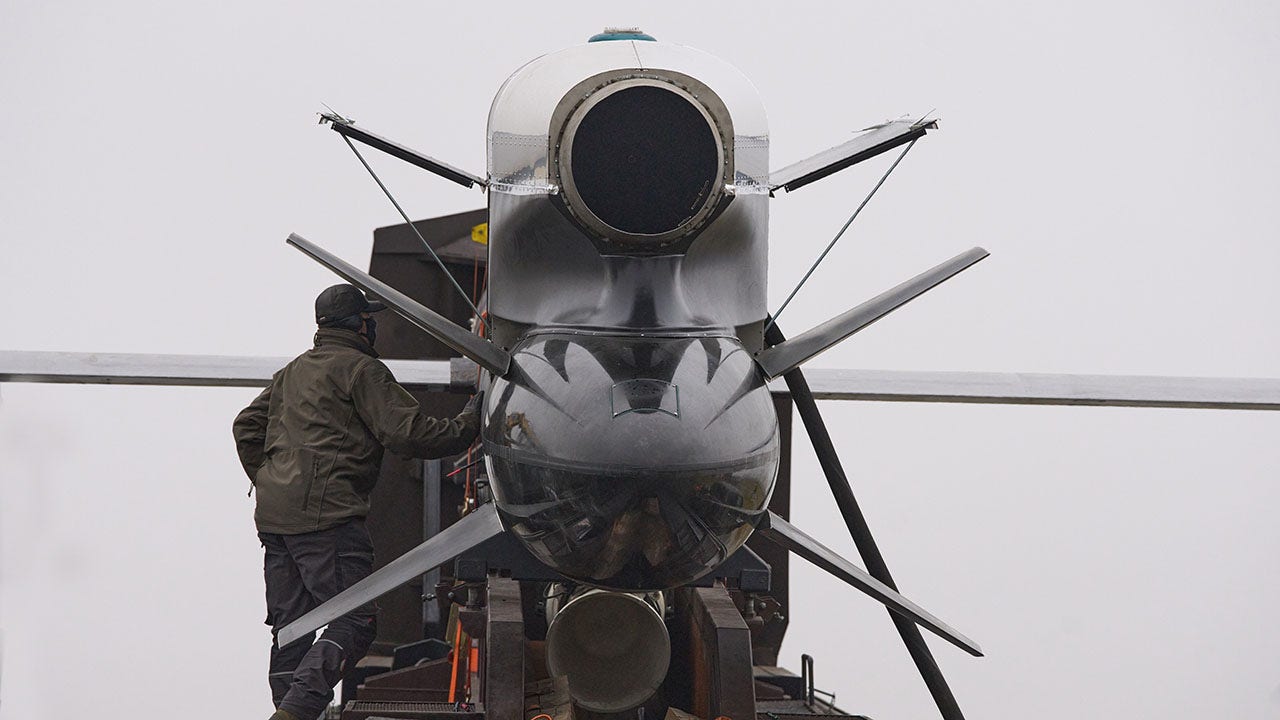

In a significant escalation of hostilities, Russia launched an extensive assault on Ukraine, deploying 653 drones and 51 missiles overnight. This attack comes as high-level talks between Ukraine and the United States were ongoing in Florida, focusing on peace negotiations. The offensive resulted in injuries to at least eight people, prompting strong condemnation from French President Emmanuel Macron, who called for continued pressure on Russia to seek peace.
| Article Subheadings |
|---|
| 1) Overview of Recent Attacks |
| 2) International Reactions to the Aggression |
| 3) Details of Ukrainian Resilience |
| 4) The Strategic Importance of High-Level Talks |
| 5) Implications for Regional Stability |
Overview of Recent Attacks
The assault on Ukraine occurred after a period of relative calm, marking a dangerous turning point in the ongoing conflict. Reports indicate that early in the morning, multiple regions across the country were targeted, leading to chaos and fear among residents. According to Ukrainian military officials, American-made defense systems were able to intercept 585 drones and 30 missiles during this unprecedented attack, but the sheer scale of the operation left several locations devastated.
Among the injured were three individuals from the Kyiv region, highlighting the indiscriminate nature of the bombings. Critical infrastructure was a primary target, with attacks aimed at power facilities which are vital for the civilian population, exacerbating an already challenging humanitarian situation.
The attacks underscore not only the tactical decisions made by Russian forces but also the intense repercussions of ongoing military aggression on the Ukrainian populace. Zelenskyy’s statement regarding the injuries and damage highlighted the tragic toll of warfare, emphasizing the urgent need for international intervention and support.
International Reactions to the Aggression
In response to Russia’s recent missile barrage, global leaders expressed their outrage and solidarity with Ukraine. Emmanuel Macron, the French President, took to social media to voice his condemnation, stating, “We must continue to put pressure on Russia to force it towards peace.” Macron’s remarks reflect a broader sentiment among Western allies, urging a unified stance against Russian aggression.
In addition to calling for peace, Macron announced plans to convene with Ukrainian President Volodymyr Zelenskyy along with British and German leaders. This meeting is expected to focus on strategic approaches to bolster Ukraine’s defensive capabilities as well as ways to negotiate an end to hostilities after months of conflict.
The coordinated international response is essential in confronting the challenges posed by Russian military actions. As global leaders reaffirm their commitment to support Ukraine, further discussions on sanctions against Russia and military aid to Ukraine are anticipated as critical components of this solidarity.
Details of Ukrainian Resilience
Despite the barrage of attacks, Ukrainian officials maintain a strong stance of resilience. President Zelenskyy remarked on a recent telecommunication with American officials, describing the discussions as “constructive,” which is particularly notable given the ongoing military conflict. U.S. Special Envoy Steve Witkoff confirmed the talks would focus on creating pathways towards durable peace in Ukraine, emphasizing the necessity of a ceasefire and de-escalation to foster sustainable recovery and development.
Ukrainian military forces responded to the attacks with calculated strikes against Russian facilities, including significant hits to the Ryazan Oil Refinery in retaliation. These actions illustrate not only Ukraine’s resolve to defend its territory but also its capacity to project power in response to provocations.
Zelenskyy also reported damage inflicted on essential infrastructure, such as the train station in Fastiv. The Ukrainian narrative portrays a picture of a nation standing firm against external aggression while simultaneously grappling with the complexities of international diplomacy.
The Strategic Importance of High-Level Talks
The discussions taking place in Florida represent a crucial juncture in diplomatic efforts to secure peace in the region. High-level meetings involving significant figures like Jared Kushner, son-in-law of former President Donald Trump, indicate the importance of bipartisan cooperation in addressing foreign policy challenges. The ongoing negotiations suggest a potential shift in how the U.S. might approach its involvement in the Ukraine crisis, seeking to balance military support with diplomatic initiatives.
Participants in the talks have underscored the urgency of finding a resolution to the conflict, pointing out that prolonging the war threatens widespread devastation and could lead to further destabilization in both Eastern Europe and beyond. Previous negotiations have faced hurdles, but the current context—marked by intensified military operations—may open doors for more serious dialogue.
The implications of these discussions extend beyond pamphlets and proposals; they carry the weight of consequences that could reshape international relations in the coming years. As both sides grapple with the demands of war and the realities of peacemaking, the outcomes of these negotiations hold significant potential to change the trajectory of future interactions.
Implications for Regional Stability
As the conflict escalates, the broader implications for regional stability become increasingly concerning. The violence has reached a stage where it not only affects Ukraine but also has the potential to spill over into neighboring countries, fostering an environment of insecurity and escalating tensions throughout Eastern Europe.
A critical area of focus is the Zaporizhzhia Nuclear Power Plant, which temporarily lost power during the recent attacks. While currently under Russian control and inactive, it remains a focal point of anxiety due to its precarious situation. The power loss highlighted the vulnerability of critical infrastructure in wartime and the potential for catastrophic incidents if cooling systems fail.
Analysts warn that further destabilization could lead to a refugee crisis of unparalleled scale, while international markets may also feel the impact of continued warfare and instability. The implications are not only geopolitical but also economic, as countries adjacent to Ukraine assess their security posture amidst growing uncertainty.
As the situation continues to develop, the need for cohesive international strategy becomes paramount in addressing the multifaceted challenges that accompany a protracted conflict.
| No. | Key Points |
|---|---|
| 1 | Russia launched a significant assault on Ukraine, deploying over 600 drones and missiles. |
| 2 | International leaders condemned the attacks, calling for concerted pressure on Russia. |
| 3 | President Zelenskyy emphasized the resilience of Ukraine through ongoing military responses and diplomatic efforts. |
| 4 | High-level talks in Florida aim to establish a pathway towards peace amid ongoing hostilities. |
| 5 | The potential for increased regional instability remains a pressing concern for neighboring countries. |
Summary
In summary, the recent escalation in hostilities between Russia and Ukraine underscores the urgent need for international intervention and diplomacy. With extensive attacks resulting in civilian injuries and widespread destruction, global leaders are unifying to condemn the aggression and explore avenues for peace. The resilience shown by the Ukrainian military amid these challenges illustrates the complexity of the situation, highlighting both military and diplomatic fronts as essential in the quest for resolution. As the implications for regional stability grow clearer, the international community remains at a pivotal moment, necessitating coordinated efforts to foster a durable peace.
Frequently Asked Questions
Question: What was the scale of Russia’s recent attack on Ukraine?
Russia launched a major assault involving 653 drones and 51 missiles, targeting multiple regions across Ukraine and resulting in at least eight injuries.
Question: How are international leaders responding to the aggression?
Global leaders, including French President Emmanuel Macron, have condemned the attacks and called for ongoing pressure on Russia to seek a peaceful resolution.
Question: What are the key objectives of the ongoing talks in Florida?
The talks aim to establish a credible pathway toward peace in Ukraine, emphasizing the necessity of a ceasefire and the prevention of renewed aggression.
