

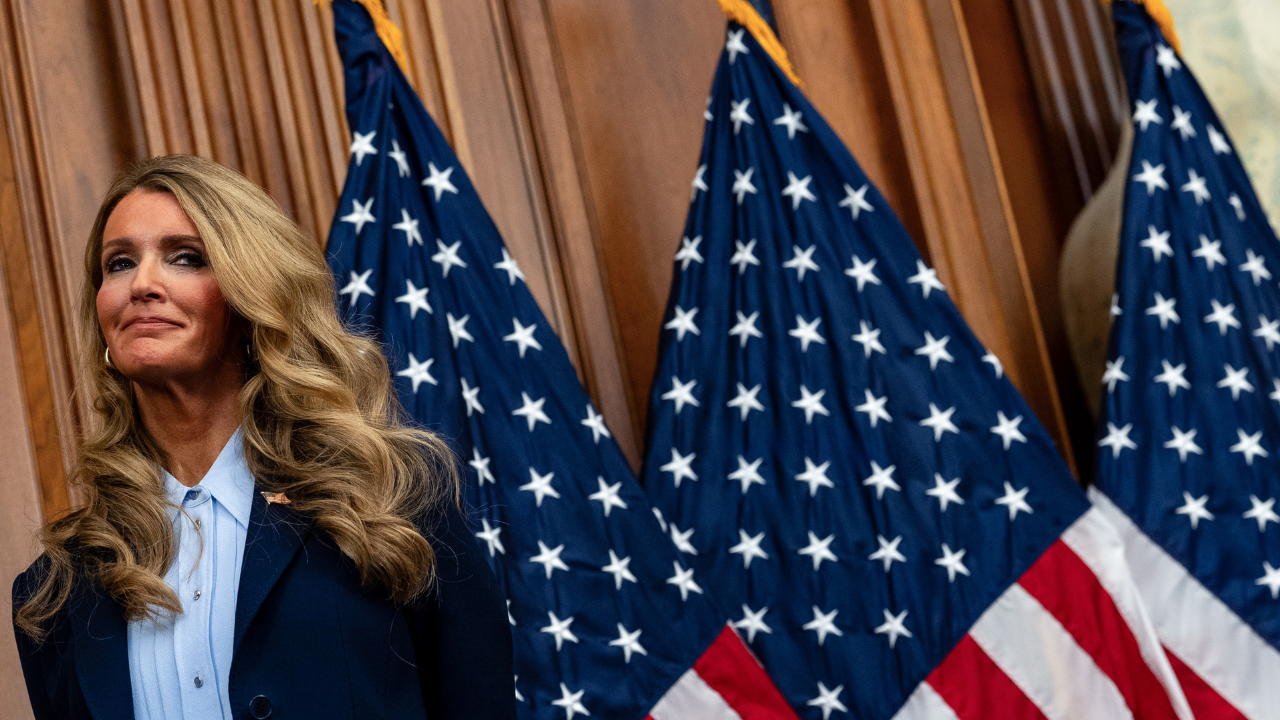

In response to ongoing economic challenges faced by American families and small businesses, the Small Business Administration (SBA) has launched a new initiative aimed at reducing federal regulations that contribute to rising costs across various sectors, such as housing and food production. This effort, named the Deregulation Strike Force, seeks to address what officials describe as excessive burdens created during the previous administration. The initiative aims at fostering economic growth by streamlining rules and cutting unnecessary red tape.
| Article Subheadings |
|---|
| 1) Initiating the Deregulation Strike Force |
| 2) Estimates of Regulatory Costs |
| 3) Areas of Focus for Regulatory Relief |
| 4) Political Context and Significance |
| 5) Future Impact of the Initiative |
Initiating the Deregulation Strike Force
The Small Business Administration recently announced its new initiative, the Deregulation Strike Force, to combat rising costs that hinder the growth of small businesses and affect families. This initiative is spearheaded by the SBA’s Office of Advocacy and aims to coordinate a comprehensive review of federal regulations that are perceived as impediments to economic progress. Under the leadership of SBA Administrator Kelly Loeffler, the initiative seeks to identify and rollback rules that are thought to unnecessarily complicate business operations while adding cost pressures.
According to the SBA, this measure is not simply an administrative maneuver, but a fundamental approach to streamlining the regulatory landscape faced by small businesses. The strike force plans to involve various governmental agencies to thoroughly assess regulations that could be eliminated or modified, thereby enabling businesses to operate more efficiently. By targeting regulations that have been developed over recent years, the initiative focuses on alleviating the burdens borne by small enterprises that contribute significantly to the American economy.
Estimates of Regulatory Costs
In laying the groundwork for its initiative, the SBA underscores what it views as substantial financial burdens imposed by federal regulations. Officials estimate that these regulations have collectively cost American families and small businesses around $6 trillion in compliance expenses. Such significant figures highlight the urgent need for a reevaluation of these rules to foster a more favorable economic environment.
Administrator Kelly Loeffler emphasized the detrimental impact of what she described as “Bidenomics” on working families, asserting that inflation rates reached unprecedented levels due to regulatory excesses. In statements made regarding the initiative, she pointed out that the costs incurred from compliance not only affect enterprises but directly impact everyday consumers, leading to higher prices of goods and services. The counter-argument suggests that easing regulations might bridge the gap between compliance costs and market affordability for consumers.
Areas of Focus for Regulatory Relief
The SBA’s Deregulation Strike Force intends to focus its review on several key sectors, including housing, healthcare, agriculture, energy, transportation, and utilities. Each of these areas has been identified as experiencing significant regulatory burdens that could potentially stifle innovation, competitiveness, and operational efficiency.
In the housing and construction sector, the strike force aims to address zoning laws and other barriers that are believed to limit housing availability. In healthcare, the emphasis will be on overly complicated compliance requirements that may limit access to important services. For the agricultural sector, regulations surrounding food production will be closely evaluated to ensure that they do not end up driving up consumer prices unnecessarily. The goal across all these industries is to create a streamlined regulatory framework that not only cuts costs but also encourages growth and opportunity.
Political Context and Significance
The launch of the Deregulation Strike Force inevitably ties into the broader political narrative of the current administration. Officials argue that the initiative strengthens the economic message positioned by former President Donald Trump during the previous election cycle. By framing regulatory relief as a crucial mechanism for combating inflation and reducing consumer prices, the SBA’s actions aim to rekindle support among small businesses and families alike.
This action comes at a pivotal moment, as the political landscape is highly charged with ongoing debates regarding economic performance, inflation, and regulatory practices. If successful, the initiative could serve as a powerful talking point for policymakers and candidates seeking to present themselves as champions of small business concerns and advocates for family affordability.
Future Impact of the Initiative
Looking ahead, the long-term implications of the SBA’s Deregulation Strike Force initiatives are expected to be significant for both businesses and consumers. By altering the regulatory environment, it aspires to establish a more competitive marketplace where small businesses can thrive without being bogged down by compliance costs.
If the strike force achieves its goals, the anticipated reduction in operating costs could lead to lower prices for consumers across various sectors. Furthermore, the initiative may encourage entrepreneurial ventures by fostering an environment where new businesses feel empowered to enter the market without being overly intimidated by regulatory barriers. However, it is crucial to monitor the outcomes closely to ensure balanced deregulation that does not compromise consumer safety or environmental standards.
| No. | Key Points |
|---|---|
| 1 | SBA’s Deregulation Strike Force aims to alleviate burdens on small businesses and families. |
| 2 | Estimated costs of federal regulations to families and small businesses are around $6 trillion. |
| 3 | Focus areas for regulatory relief include housing, healthcare, agriculture, and transportation. |
| 4 | The initiative bolsters former President Trump’s economic strategies as a political talking point. |
| 5 | Successful deregulation could lead to lower prices and a more favorable environment for new businesses. |
Summary
The Small Business Administration’s launch of the Deregulation Strike Force marks a significant effort to confront the escalating costs faced by American families and small firms. As the initiative aims to dismantle burdensome regulations identified as greatly affecting sectors from housing to healthcare, its potential implications for economic growth and consumer affordability are vast. The SBA’s strategies could play a pivotal role in reshaping the regulatory landscape, promising not just immediate relief but also long-lasting benefits for both entrepreneurs and the overall economy.
Frequently Asked Questions
Question: What is the purpose of the Deregulation Strike Force?
The Deregulation Strike Force aims to review and eliminate federal regulations that are burdensome to small businesses and contributing to rising costs for consumers.
Question: Who leads the Deregulation Strike Force?
The initiative is led by the Small Business Administration’s Office of Advocacy under Administrator Kelly Loeffler.
Question: What sectors will the Deregulation Strike Force focus on?
The initiative will primarily target the housing, healthcare, agriculture, energy, and transportation sectors, among others, to reduce regulatory burdens.
