

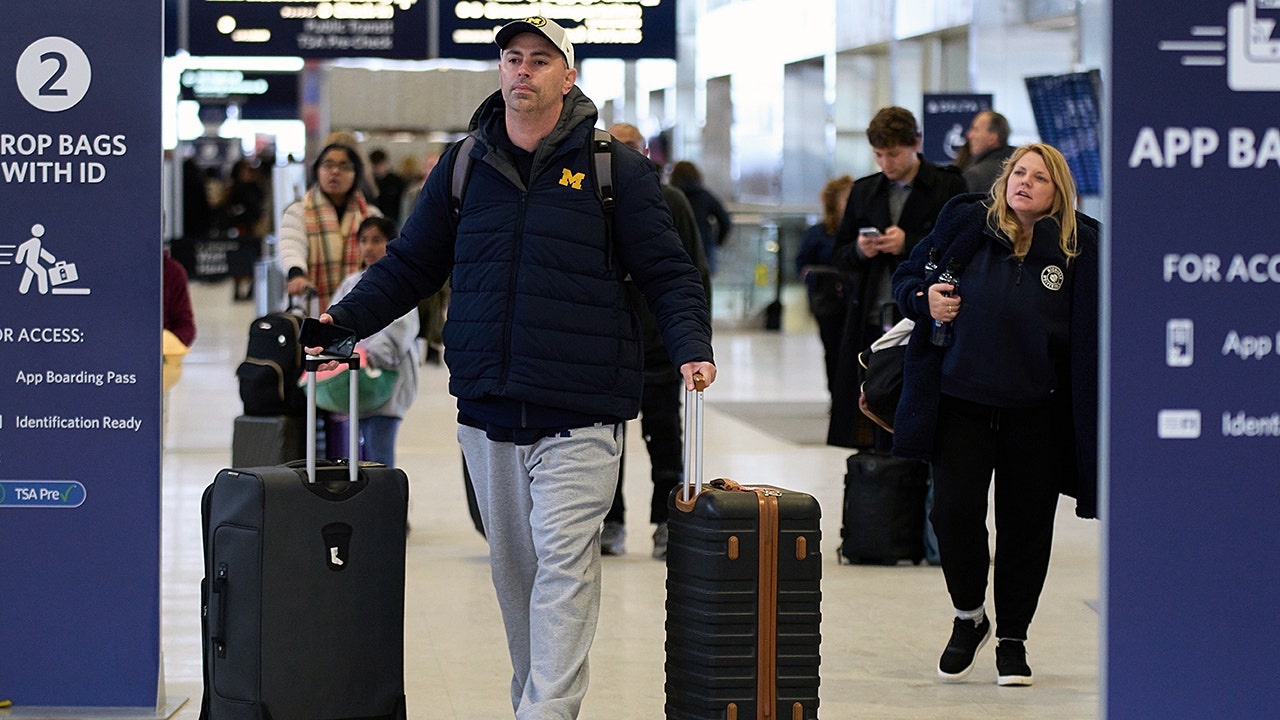

As the holiday season approaches, many travelers grapple not only with the stress of booking flights and reserving accommodations but also with a significant and often overlooked issue: their personal data. This sensitive information, including names, addresses, and travel itineraries, is frequently collected and sold without the travelers’ knowledge. As data harvesting becomes more prevalent, scammers see this time of year as an opportunity to exploit travelers, leveraging the personal information they acquire to carry out fraud. This article explores the mechanism behind data collection in the travel industry, the risks it poses, and measures travelers can take to safeguard their personal information.
| Article Subheadings |
|---|
| 1) The Risks of Data Collection During Holiday Travel |
| 2) What Data Do Major Travel Companies Collect? |
| 3) How Scammers Exploit Travel Data |
| 4) Steps to Protect Your Personal Data |
| 5) Conclusion: Safeguarding Your Data While Traveling |
The Risks of Data Collection During Holiday Travel
The holiday season marks the peak of travel activity in the United States. Airlines, hotels, and travel booking platforms experience a massive influx of users during this time. As millions of travelers seek to book affordable flights and accommodations, they often overlook the sheer amount of personal data that is generated through their actions. Every time a customer inputs their personal information, whether it’s an email, phone number, or even travel history, they create a data point that can be collected, analyzed, and sold.
According to industry insiders, holiday travel leads to an increased volume of sensitive data being shared between various stakeholders, including airlines, hotels, and third-party advertisers. This environment becomes especially lucrative for data brokers, who can sell profiles containing details about consumers in bulk. Unfortunately, this vast pool of data doesn’t just benefit advertisers; it also presents an opportunity for scammers to access and exploit it.
Every action taken by travelers, from booking a flight to checking a flight status online, produces a multitude of identifiable data points. Some of the most worrisome forms of data tracked include:
- Email addresses
- Phone numbers
- Full names and dates of birth
- Mailing addresses
- Travel itineraries and preferences
- Passport information
- Device identification and geolocation
- Internet Protocol (IP) addresses and browsing habits
The urgency of holiday traveling combined with extensive data collection practices increases the likelihood of travelers falling victim to data breaches and potential scams.
What Data Do Major Travel Companies Collect?
A wide range of companies involved in the travel sector collect data, each with its own specific methods and motives. Here’s a closer look at what some significant players in the travel industry collect:
Airlines
Major U.S. airlines like Delta, American, United, and Southwest gather extensive information from passengers, which includes not only basic information like name and contact details, but also sensitive data such as:
- Payment information
- Travel companion details
- Frequent flyer status and activity
- Geolocation data during travel
This data is often shared with marketing partners, analytics companies, and third-party advertisers, which can lead to an increase in unsolicited communications.
Booking Platforms
Booking platforms like Expedia, Booking.com, and Hotels.com are also pivotal in data collection. They analyze consumer behavior by tracking:
- Search history and preferences
- Price comparisons
- Device fingerprints
- Click-through rates
Such data enables these platforms to curate targeted marketing campaigns, often sharing the aggregated data with data brokers to enhance their analytics.
Hotel Chains
Hotel chains such as Marriott and Hilton have been known to capture a high volume of guest information. Their extensive privacy policies often detail over 60 types of data collected from guests. This includes sharing guest data with:
- Advertising networks
- Social media platforms
- Third-party service providers
- A wide array of data brokers for targeted marketing
In recent years, data breaches involving major hotel chains have demonstrated the severe vulnerabilities in data protection within this sector.
Travel Apps
Travel applications like Airbnb and KAYAK tend to gather user data aggressively since they operate continuously on smartphones. They often collect:
- Real-time geolocation
- User contacts and clipboard data
- Behavioral analytics and historical interactions
This data is not only used for internal analytics but is often shared with external partners under the guise of improving user experience, which can often lead to the monetization of personal data.
How Scammers Exploit Travel Data
Once scammers obtain a traveler’s personal information, they can craft sophisticated scams aimed at individuals who are least prepared to identify them. Some common tactics include:
- Fake airline notifications: Scammers might send messages claiming a flight has been canceled while prompting the traveler to click a link to rebook.
- Urgent hotel payment notices: Emails designed to resemble legitimate communications from hotels can trick users into revealing sensitive information.
- Phony baggage fees: Messages may falsely claim a charge for baggage release, luring travelers to make a payment.
- TSA or Global Entry renewal scams: Scammers often impersonate government entities to request personal details through fake renewal emails.
These tactics rely heavily on the previously obtained personal data, allowing scammers to create highly convincing scams that overwhelm unsuspecting travelers.
Steps to Protect Your Personal Data
Given the various risks outlined, it is crucial for travelers to take proactive measures to protect their data. Here are several strategies to stay secure:
Check Existing Data with Travel Companies
Most airlines, hotels, and booking platforms have data removal options available, although they may be difficult to locate on their websites. Travelers should review privacy policies and take steps to delete any unnecessary stored personal information.
Limit Location Tracking by Apps
Travel apps such as Hopper and Airbnb often track users’ locations even when they’re not in active use. Users should verify app permissions on their devices, adjusting settings to prevent apps from constantly accessing location data.
Remove Personal Data from Data Brokers
Existing information often circulates through data broker sites. Users can manually request data removal, but many choose to utilize specialized services that monitor and delete personal data from various online databases. Although these services may incur a cost, they greatly enhance user privacy.
Use Email Aliases for Bookings
Creating email aliases for travel bookings can significantly reduce the amount of spam and phishing threats. These aliases allow travelers to manage communications more easily while protecting their personal information from exposure.
Avoid Airport Wi-Fi for Sensitive Transactions
Public Wi-Fi, especially in busy travel hubs, can often be a hotbed for scammers operating fake networks. Travelers should refrain from accessing sensitive accounts over airport Wi-Fi, particularly for financial transactions.
Summary
As the holiday season arrives, safeguarding personal data becomes paramount for travelers. With extensive data collection practices prevalent in the travel industry and growing instances of data breaches, it is essential for consumers to be vigilant. By understanding the risks associated with their personal information and taking proactive steps to reduce exposure, travelers can enjoy their journeys with greater peace of mind. Prioritizing data protection before packing their bags allows consumers to focus on the joyful aspects of holiday travel rather than the potential threats that could overshadow their experience.
Frequently Asked Questions
Question: How can I find out what data travel companies have on me?
Many travel companies offer the option to request your data under their privacy policies. Users can check their accounts or reach out to customer service for detailed information on the data collected.
Question: What should I do if I suspect my travel data has been compromised?
If you suspect that your data has been compromised, it is crucial to monitor your financial accounts closely, change your passwords, and consider enrolling in identity theft protection services.
Question: Are there safe alternatives to sharing personal information with travel apps?
Yes, travelers can consider using email aliases, limiting location tracking, and opting for companies with transparent data practices to better protect their personal information.
