

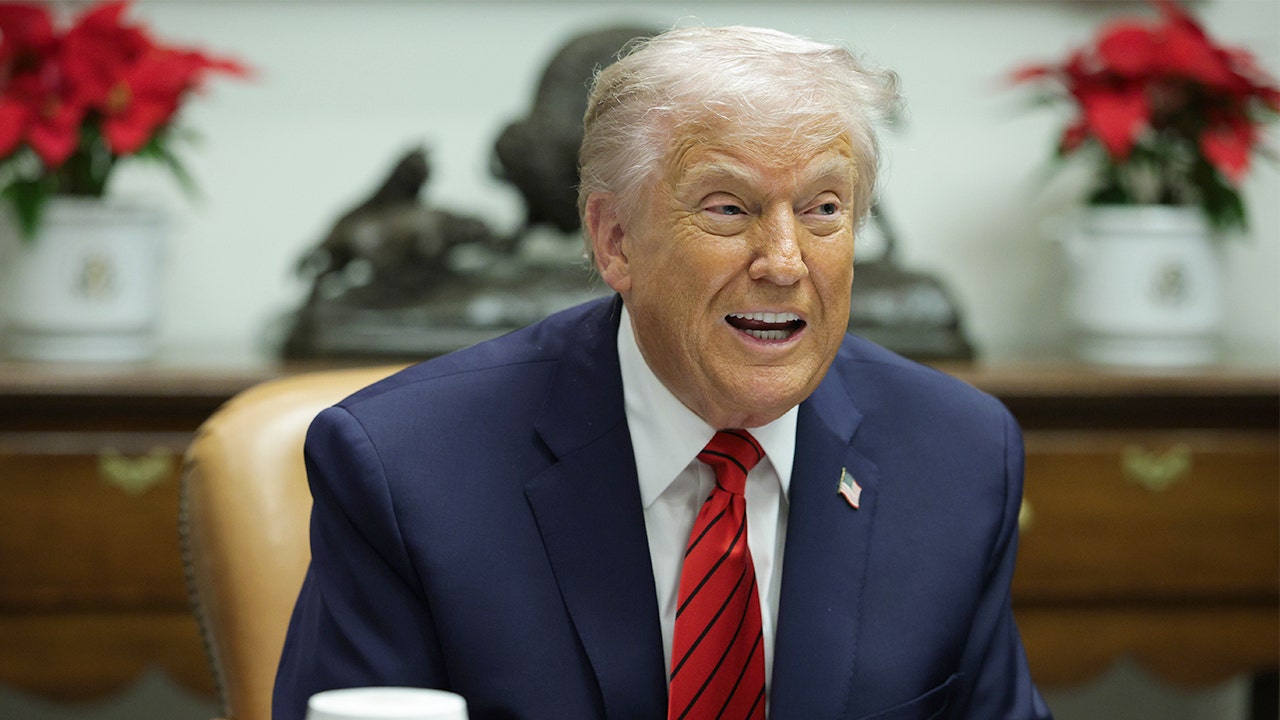

Senate Republicans are on the verge of making history as they advance nearly 100 nominees of President Donald Trump through the confirmation process. A recent party-line vote, which resulted in a strong 53 to 47 outcome, has paved the way for what is anticipated to be a final confirmation on Thursday. This step comes shortly before the holiday recess and marks a significant achievement in the Republican agenda, enabling them to secure a record number of confirmations for Trump, exceeding his previous term’s total.
| Article Subheadings |
|---|
| 1) Senate Republicans Clear Major Hurdles for Trump Nominees |
| 2) Implications of the New Rules for Confirmation Process |
| 3) Key Nominees in the Latest Confirmation Batch |
| 4) Special Focus: Jared Isaacman’s Renomination for NASA |
| 5) Historical Context of Trump’s Confirmations |
Senate Republicans Clear Major Hurdles for Trump Nominees
On Wednesday, Senate Republicans successfully navigated a critical procedural obstacle by advancing a significant slate of nominees for President Donald Trump. The procedural vote, conducted along party lines, resulted in a tally of 53 for and 47 against. This was a considerable step forward in a broader strategy aimed at streamlining Trump’s candidates for various federal positions. The finalized confirmation vote is set to occur on Thursday, contingent on any agreements reached with Senate Democrats to expedite the proceedings.
The current batch of 97 nominations, if confirmed, would place the total number of appointments approved during Trump’s second term at 415, exceeding both his first-term total of 323 and surpassing President Joe Biden, who had confirmed 365 by the same time in his first year. This impressive achievement highlights the GOP’s intensified efforts to fill positions across the administration swiftly.
Implications of the New Rules for Confirmation Process
The Senate Republicans have introduced several changes to the confirmation process, significantly impacting how quickly nominees can be voted on. In September, the GOP employed a procedural tactic referred to as going “nuclear,” which allowed a simple majority vote on certain nominees, effectively circumventing the traditional requirement for a 60-vote supermajority needed to overcome a filibuster. This strategy has been cited as a major factor in the expedited confirmation proceedings, enabling the party to proceed rapidly through the nominations.
Senate Republicans argue that these changes were necessary due to the “blockade” instituted by Senate Democrats, which they aimed to dismantle to facilitate the confirmation of positions that previously faced significant hurdles. The decision to lower the threshold for approval was deemed essential to prevent prolonged delays in filling key roles within the administration.
Key Nominees in the Latest Confirmation Batch
The latest group of nominees put forth for confirmation includes key figures intended to serve in pivotal roles within federal agencies. Among them is former Representative Anthony D’Esposito, nominated to take on the position of inspector general at the Department of Labor. Other notable nominees include James Murphy and Scott Mayer, who are both contenders for positions on the National Labor Relations Board.
These nominations span various federal departments, reflecting the Republicans’ commitment to filling a wide range of roles that are vital for the functioning of the federal government. The confirmation of these nominees is crucial for the administration’s agenda, enabling Trump to implement policies effectively across different sectors.
Special Focus: Jared Isaacman’s Renomination for NASA
Among the most prominent nominees is Jared Isaacman, who has been renominated to lead the National Aeronautics and Space Administration (NASA). His confirmation faced scrutiny previously, but the Senate approved his nomination this time with a strong bipartisan vote of 67-30. Isaacman’s nomination has gained attention not only for his background as a billionaire entrepreneur but also due to his emphasis on space exploration and innovation.
Trump originally nominated Isaacman to head NASA in December of last year, but he was withdrawn after a review of his prior associations. In November, however, Trump renewed his nomination, highlighting Isaacman’s commitment to advancing the new space economy and exploring uncharted territories in space. His credentials point toward a push for a more robust U.S. presence in space and the promotion of scientific innovations.
Historical Context of Trump’s Confirmations
The recent confirmation progress is noteworthy not only for its scale but also for its historical context. If the current trajectory holds, Trump’s administration stands to achieve more confirmed nominees in one year than any other president before him. Each of these confirmations represents not just a personnel change but also a strategic effort by the GOP to reshape various federal agencies to align more closely with Trump’s policy initiatives.
The rapid pace of confirmations also showcases a shift in strategy by Senate Republicans, who have significantly altered their approach to navigate the complexities of modern Senate dynamics. The combination of strategic rule changes, party unity, and a focused nomination agenda is setting the stage for a substantial reshaping of the federal landscape under Trump’s leadership.
| No. | Key Points |
|---|---|
| 1 | Senate Republicans moved forward with a party-line vote to confirm nearly 100 of Trump’s nominees. |
| 2 | The proposed confirmation vote is set for Thursday, aiming to finalize approval before the holiday recess. |
| 3 | The GOP changed Senate rules to lower the confirmation threshold, enabling faster voting. |
| 4 | Jared Isaacman, a key nominee for NASA, has been renominated and confirmed with strong bipartisan support. |
| 5 | Trump stands to have more confirmations in his second term than any president before him if current trends continue. |
Summary
The current Senate proceedings reveal a significant shift in the confirmation landscape for President Donald Trump. With historical records in sight, the rapid advancement of nominations shows strategic maneuvering by Senate Republicans, enabling them to solidify Trump’s influence within federal agencies. The implications of these changes will resonate throughout the administration and may set a precedent for future political dynamics within the Senate.
Frequently Asked Questions
Question: What prompted the Senate Republicans to change the confirmation rules?
The Senate Republicans altered the rules to lower the confirmation threshold to a simple majority due to perceived blockades by Senate Democrats, enabling a faster confirmation process for various nominees.
Question: Who is Jared Isaacman and why is his confirmation significant?
Jared Isaacman is a billionaire entrepreneur nominated to lead NASA. His confirmation is significant as it represents a push for robust space exploration and innovation under Trump’s administration.
Question: What is the expected outcome of the current batch of nominees if confirmed?
If the current nominees are confirmed, it would place President Trump’s total confirmations at 415 for his second term, surpassing both his first term and President Biden’s total by the end of his first year.
