

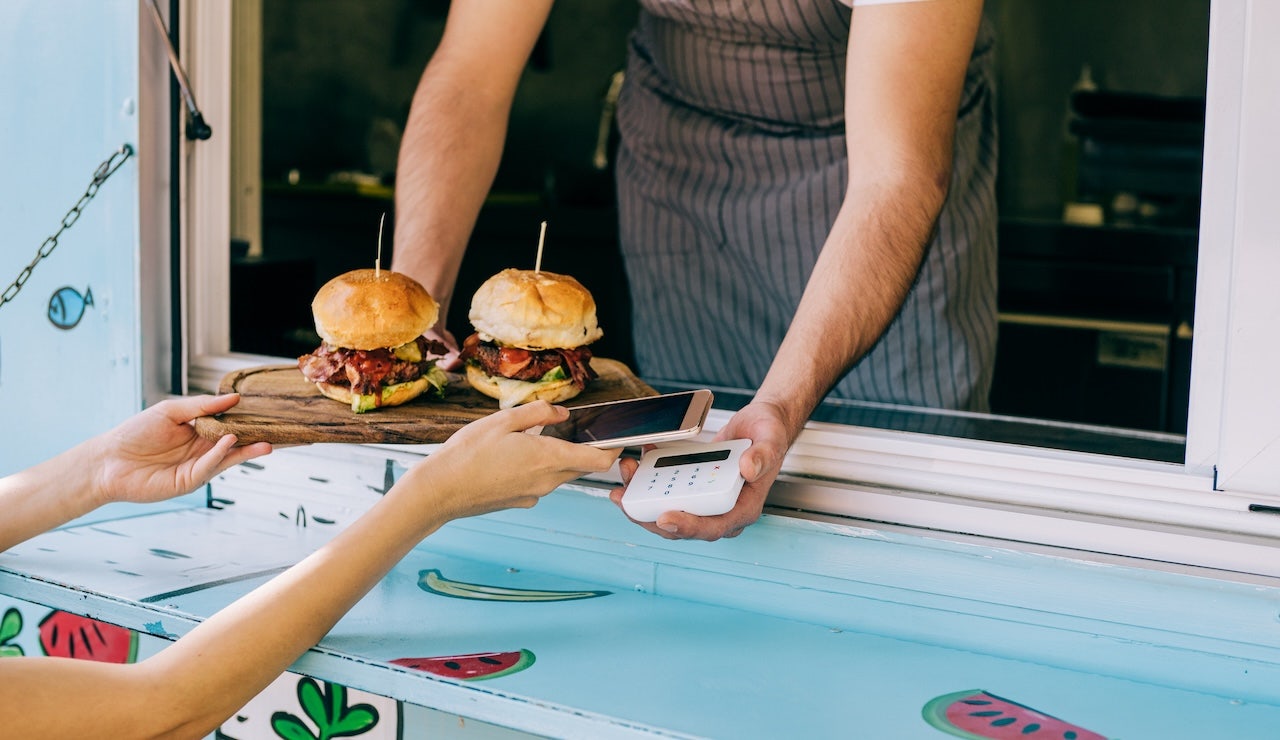

In recent years, the tipping culture in the United States has extended beyond traditional dining establishments to include various fast-food and carryout services, prompting discussions about its appropriateness. With automated prompts asking customers to tip at the point of sale, many are left to ponder the relevance of providing gratuity in fast-casual and fast-food contexts. Surveys indicate that while tipping is often tied to the quality of service received, opinions vary widely on when and how much to tip in these situations, reflecting a broader conversation about service expectations and customer behaviors in modern dining scenarios.
| Article Subheadings |
|---|
| 1) The Emergence of Tipping at Fast-Food Restaurants |
| 2) Public Reactions to the Tipping Trend |
| 3) The Historical Context of Tipping in America |
| 4) Perspectives from Service Workers |
| 5) The Future of Tipping in the Fast-Food Industry |
The Emergence of Tipping at Fast-Food Restaurants
The tradition of tipping, once mostly reserved for sit-down restaurants, has increasingly seeped into fast-food and casual dining experiences. As customers place orders at kiosks or interact with cashiers, they are often met with prompts asking about gratuity. This shift raises numerous questions regarding the appropriateness of tipping in these scenarios. Fast-food chains, known for their efficiency and quick service, traditionally don’t expect tips from customers. However, the wave of digitization in the ordering process now includes screens that suggest specific tipping amounts without necessarily correlating to the level of service provided.
According to a Pew Research Center survey, around 12% of U.S. adults tip at fast-casual restaurants, indicating a growing awareness of tipping in these settings. This raises the question: What has changed in the customer-service dynamic leading to this new expectation? It appears that customers, particularly in the wake of the pandemic, have become more accustomed to tipping as a show of appreciation for service workers, leading to a more blurred line between casual dining and traditional eating experiences where tipping was standard practice.
Public Reactions to the Tipping Trend
Reactions to the increased prevalence of tipping prompts in fast-food environments have been mixed. Many patrons express surprise or even discomfort when faced with a tipping option at a fast-food joint. For instance, one consumer, identified as Chris Nordstrom, noted how he often feels caught off guard by such requests, emphasizing that tipping traditionally aligns more closely with services that involve a personal touch and customer interaction. “It’s just that fast food, by nature, has traditionally been a non-tipping experience,” he commented.
From social media discussions to friend groups, a significant portion of the public remains uncertain about when it’s acceptable to tip. Many customers report relying on the quality of service as a key factor in their decision-making process, with approximately 77% of survey respondents categorizing service quality as a “major factor” influencing their tipping behavior. Yet, there is a growing sentiment that the practice should not extend to automated processes where minimal interaction occurs.
The Historical Context of Tipping in America
Tipping, as a cultural phenomenon in the United States, has a complex history. The term “TIP” originally stood for “To Insure Promptness,” suggesting a practice that emerged during Prohibition when patrons sought faster service for their alcoholic beverages. This historical perspective sheds light on how tipping began as a means of incentivizing service in situations where quickness was a priority.
Over the years, tipping has evolved into an entrenched social norm, particularly in the restaurant industry. However, cultural attitudes toward tipping can vary dramatically between dining contexts and geographic regions. Etiquette expert Sarah Aynesworth noted that expectations around tipping at casual dining establishments differ significantly from those associated with full-service restaurants, where a seated dining experience and attentive service demand a higher gratuity.
Perspectives from Service Workers
The views of service workers about tipping culture often contrast with those of customers. Employees like Blair Dubinsky, who work in luxury retail, have expressed a willingness to tip as a gesture of appreciation for the services rendered. “If the option comes up, I’m always happy to tip,” they shared, emphasizing the challenge of working in public-facing roles. This sentiment, echoed by numerous service employees, highlights the differing experiences of those on the receiving end of tips versus the customers making the calculation.
For many workers, especially in industries reliant on tips, gratuities are seen as crucial dietary supplements to their base wages. The National Restaurant Association indicates that tipped employees earn at least their state’s minimum wage, but in a traditionally low-paying service sector, every extra dollar counts toward improving their livelihoods. For these individuals, tipping is often viewed as a necessary acknowledgment of the hard work involved in providing service, whether at fast-food outlets, restaurants, or retail establishments.
The Future of Tipping in the Fast-Food Industry
Looking to the future, the landscape of tipping is likely to continue evolving as technology advances and customer expectations shift. The increasing presence of digital prompts for tipping at fast-food restaurants reflects broader changes in consumer behavior that may remain after the pandemic has eased. Many consumers, while driven to tip out of social responsibility or customer service appreciation, also highlight a growing discomfort with obligatory tipping norms.
Chris Nordstrom noted the rising occurrence of auto-tip options, with suggested percentages starting at 25%, which can feel excessive in contexts that traditionally did not require tips. This trend raises significant ethical questions around service expectations. If tipping becomes a widespread expectation at every service touchpoint, there is concern that it could dilute the value of tipping itself.
Experts suggest that any gratuity should remain a genuine reflection of service quality and not transform into an obligatory addition to a bill. As etiquette observers warn, allowing tipping to become commonplace in all areas could fundamentally alter the perception of gratitude that underlies the practice.
| No. | Key Points |
|---|---|
| 1 | The rise of tipping at fast-food and carryout establishments is changing traditional consumer expectations. |
| 2 | Surveys indicate that many customers are uncomfortable with tipping in non-traditional contexts. |
| 3 | The history of tipping in America reveals its origins in incentivizing prompt service. |
| 4 | Service workers often view tips as vital to their income, particularly in low-wage roles. |
| 5 | The future of tipping may hinge on maintaining the practice as a gesture of genuine gratitude rather than a mandatory expense. |
Summary
The evolving dynamics of tipping in fast-food and casual dining settings reflect changing societal norms and consumer expectations. As the culture surrounding gratuity continues to expand into new areas, understanding the motivations behind tipping and the implications for service workers becomes increasingly important. Balancing appreciation for service with the maintenance of personal autonomy regarding gratuity will be critical in shaping the future of the dining experience.
Frequently Asked Questions
Question: Why has tipping become more common in fast-food restaurants?
Tipping has become increasingly common in fast-food restaurants primarily due to evolving customer perceptions and the integration of digital payment options that prompt for gratuity. This shift reflects a broader cultural change in how society views service and appreciation.
Question: What do experts say about the historical context of tipping in America?
Experts note that tipping in America originated as an attempt to incentivize prompt service during Prohibition. Over time, it has evolved into a norm associated with restaurants and service industries, reflecting social values and expectations.
Question: How do service workers feel about tipping at fast-food establishments?
Many service workers view tipping as an essential part of their income, often relying on gratuities to supplement their base wages. This perspective underscores the importance of acknowledging the effort put into providing service, even in fast-food contexts.
