

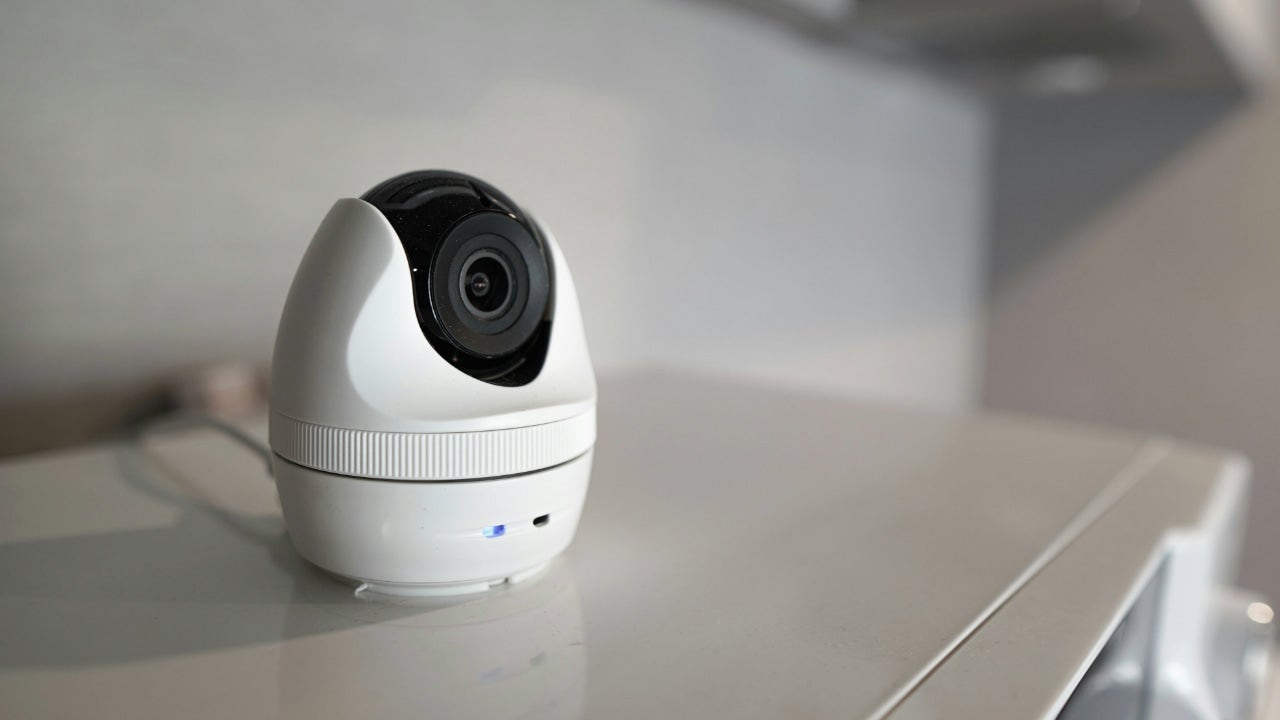

Recent reports have shed light on a significant breach involving over 120,000 smart home cameras in South Korea, raising alarms about the security of connected devices. Although the media often sensationalizes such incidents, experts suggest that smart home hacking is relatively rare and usually results from weak passwords or trusted insiders rather than sophisticated attacks from cybercriminals. This article delves into the realities of the risks associated with smart homes, common vulnerabilities, who might exploit them, and practical steps to enhance security.
| Article Subheadings |
|---|
| 1) Why smart home hacking is overestimated |
| 2) Common attack vectors for smart homes |
| 3) Identifying potential hackers |
| 4) Smart devices that present security concerns |
| 5) Effective security practices for smart homes |
Why smart home hacking is overestimated
A prevalent misconception about smart home security is the image of sophisticated cybercriminals equipped with advanced hacking tools, scouring neighborhoods for vulnerable devices. In reality, this scenario is highly exaggerated. Cybersecurity experts note that the technical limitations of Wi-Fi ranges make it nearly impossible for hackers to systematically target residential smart locks or similar devices for petty theft. Most burglars prefer conventional methods, such as looking for unlocked doors, as the effort required for hacking often outweighs the potential rewards.
One core reason behind the fear surrounding smart home vulnerabilities is the misunderstanding of how most intrusions occur. Common scenarios include weak passwords and local access by familiar individuals, such as relatives or former roommates. The notion that sophisticated cybercriminals are constantly on the lookout for unprotected homes is largely unfounded.
Common attack vectors for smart homes
Smart homes face a variety of digital threats; however, most attacks are automated and not specifically aimed at individual households. Below, we dissect several common pathways through which smart homes can be compromised:
Automated online attacks
Bots continuously scan the internet searching for susceptible devices by probing for weak passwords. These brute force attacks generate billions of guesses until they successfully access a device. When a vulnerability is exploited, the compromised device can become part of a botnet, which is subsequently used for further attacks. It’s important to note that these automated attacks are rarely aimed at an individual home; instead, they seek any device that can be infiltrated.
Phishing attempts
Phishing emails impersonating smart home brands are another prevalent risk. By clicking on deceptive links or revealing login credentials, users can unknowingly provide cybercriminals access to their home networks. Even general phishing attempts can expose sensitive Wi-Fi information, leading to increased vulnerability.
Data breaches from IoT companies
In many instances, hackers target company servers rather than individual homes. Such breaches can expose customer accounts or stored footage from smart cameras residing in the cloud. Although this often doesn’t lead to direct attacks on smart homes, it does increase the likelihood of compromised accounts, putting users at risk.
Attacks on device communications
Older Internet of Things (IoT) devices harbored several vulnerabilities that permitted criminals to intercept data being transmitted. However, modern devices are increasingly fortified with advanced encryption, making successful attacks on these communications exceptionally rare in contemporary settings.
Bluetooth malware
Bluetooth vulnerabilities also exist, though today’s smart devices typically implement stronger security measures than their predecessors. When new vulnerabilities are discovered, manufacturers rush to issue patches. This proactive approach significantly reduces the likelihood of Bluetooth-related security incidents.
Identifying potential hackers
When instances of hacking do occur, they often arise from individuals who already have some level of permission or access. The following categories illustrate who might potentially exploit smart home security:
A relation or acquaintance
Former roommates, ex-partners, and even relatives might possess the necessary login information to infiltrate smart home systems. If suspicions arise, it is critical to update all relevant passwords.
Untrustworthy employees
There have been documented instances where employees at security firms have misused their internal access to spy on camera feeds. This misleading constitutes a misuse of internal permissions rather than remote hacking.
Data thieves
This category includes individuals who illegally acquire lists of compromised accounts and login information, which could later be sold to other criminals looking to gain unauthorized access.
Blackmail scammers
Scammers might attempt to extort individuals by falsely claiming that they have hacked their cameras. Most of these threats are based on deception, as the perpetrators generally lack genuine access.
Foreign governments
Certain prohibited foreign manufacturers present heightened surveillance risks. The Federal Communications Commission (FCC) maintains a list of companies barred from selling security technology within the United States. It’s vital for consumers to verify products against this list before purchasing lesser-known brands.
Smart devices that present security concerns
A number of commonplace gadgets can introduce minor yet tangible entry points for potential breaches, especially when overlooked security features are concerned.
Smart fridges
Many smart fridges arrive with default passwords that users forget to change, while older models may utilize outdated IoT protocols lacking adequate security. Furthermore, they often do not receive frequent firmware updates.
Wi-Fi baby monitors
Though Wi-Fi offers convenience, it also poses risks. Weak router settings and simple passwords can allow unauthorized access to video feeds. Some devices utilize closed networks, which may reduce Wi-Fi risks but still face basic signal interception threats.
Smart bulbs
Many smart bulbs, during their setup phases, broadcast an open network momentarily. If a hacker gains access during this brief period, they could potentially penetrate the rest of the network—a scenario that, although rare, is theoretically possible.
Smart speakers
Voice-activated speakers pose exploitation risks, particularly from curious children or unwelcome guests. To mitigate risks, users should establish a purchase PIN to prevent unauthorized transactions through voice commands.
Effective security practices for smart homes
Implementing a few straightforward habits can help thwart the most prevalent threats facing connected homes. Here are crucial preventative measures:
Use strong passwords
Creating long, complex passwords for Wi-Fi routers and smart home applications is essential for maintaining security. A password manager can greatly assist in this endeavor by securely storing and generating complex passwords while minimizing the risk of password reuse. Furthermore, users should check whether their email addresses have been involved in past breaches and rapidly reset any compromised accounts.
Turn on two-factor authentication
Many smart home brands, including Ring and Blink, already incorporate two-factor authentication (2FA). Adding this additional layer of security to all supporting accounts is prudent.
Use a reputable data removal service
Employing a data removal service can help eliminate personal information from data broker sites, preventing criminals from accessing sensitive information vital for gaining entry to home networks. While no service guarantees complete data eradication from the internet, effective services actively monitor and erase personal data systematically.
Add strong antivirus software on phones and computers
Robust antivirus protection is crucial in blocking malware that could expose sensitive information or create entry paths to smart home devices. Installing strong antivirus software on all devices can also help prevent phishing emails and ransomware scams.
Choose brands with strong encryption
When selecting smart home devices, prioritize companies that clearly outline their security standards, including how they protect data and implement modern encryption techniques to secure footage and account details.
Store sensitive footage locally
Opt for security cameras that enable local storage of recordings, such as to an SD card or home hub, instead of relying on cloud storage. This measure keeps recordings under the user’s control, particularly important in instances where a company’s server may be compromised.
Keep devices updated
It’s essential to install firmware updates promptly and enable automatic updates whenever feasible. Users should replace older devices that no longer receive patches.
Secure your Wi-Fi
As the gateway to a smart home, a router’s security must not be neglected. Employing strong encryption—preferably WPA3—renaming default networks, and installing firmware updates all contribute to reducing vulnerabilities.
| No. | Key Points |
|---|---|
| 1 | Most smart home hacks originate from weak passwords or trusted contacts. |
| 2 | Automated attacks are more common than targeted efforts. |
| 3 | Phishing attempts can lead to significant security breaches. |
| 4 | Regular updates and the use of strong passwords are essential for security. |
| 5 | Data removal services can minimize risks related to personal information exposure. |
Summary
In light of recent reports concerning the hacking of smart home cameras, it is crucial to understand the genuine risks associated with connected technology. While sensational headlines may evoke fear, most threats arise from weak passwords and insider access rather than advanced cybercriminal tactics. By adopting smart security practices and educating oneself on potential vulnerabilities, users can effectively protect their homes and maintain the convenience that smart technology offers.
Frequently Asked Questions
Question: What are common vulnerabilities in smart home devices?
Common vulnerabilities include weak passwords, outdated software, and poor security practices such as not employing two-factor authentication.
Question: How can I improve the security of my smart home?
To enhance security, use strong passwords, enable two-factor authentication, keep devices updated, and consider local storage for sensitive footage.
Question: Are automated attacks a significant threat to smart homes?
Yes, automated attacks, such as bots seeking weak passwords, are common and pose a greater risk than individual targeting.
