

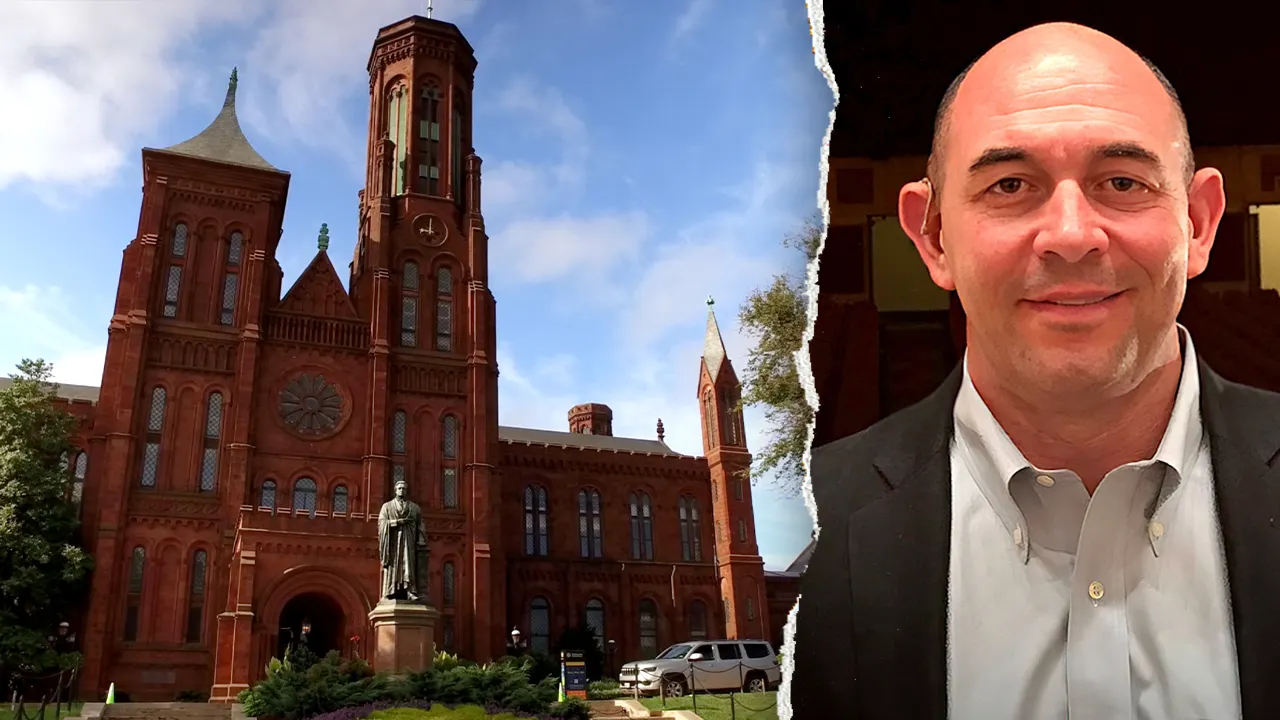

A notable controversy has emerged involving filmmaker Eli Steele and the Smithsonian’s National Museum of African American History and Culture. Steele is raising questions about the institution’s willingness to screen his documentary, *White Guilt*, which challenges progressive perspectives on race. His inquiry highlights a broader dialogue regarding ideological representation in America’s cultural institutions, amid accusations of bias and claims that historic narratives are being subjectively represented. As the museum navigates these challenges, Steele’s film, rooted in personal and familial experiences, calls into question the criteria for what viewpoints are considered valid within such an esteemed institution.
| Article Subheadings |
|---|
| 1) Background of the Film and its Creator |
| 2) The Smithsonian’s Response |
| 3) The Debate Over Ideological Diversity |
| 4) Statements from Critics |
| 5) Future Implications for the Smithsonian |
Background of the Film and its Creator
The documentary *White Guilt*, directed by Eli Steele, is based on a book by his father, the acclaimed Black conservative academic Shelby Steele. The film delves into the complicated dynamics surrounding race in America, particularly how guilt associated with historical injustices affects societal views and personal identities. Eli Steele has a unique background as a Black, Jewish, and deaf individual, providing him with a distinct perspective on race relations and identity issues. His experiences have shaped his artistic vision, making his documentary not just a narrative but a personal exploration of deeper societal themes.
In *White Guilt*, Steele argues that institutional pressures to prioritize racial identity can hinder individuals’ progress, shifting focus away from meritocracy. This provocative stance has resonated with certain segments of the public and polarized opinions among critics and supporters alike. The film aims to stimulate discussions surrounding race, identity, and the complex social fabric of America. Despite its intent to foster dialogue, the lack of a public screening location, particularly at a prominent institution like the Smithsonian, has led to significant controversy regarding freedom of expression and the diversity of viewpoints in cultural institutions.
The Smithsonian’s Response
Eli Steele’s attempts to coordinate a screening of his documentary with the Smithsonian have reportedly been met with administrative hurdles. In written communications provided by Steele, the museum declined his proposed dates for a public showing, suggesting instead that he rent the space privately at a significant cost. Steele noted that the museum offered him a private rental option for $35,000, a steep figure that raises concerns over accessibility and the museum’s willingness to host diverse viewpoints publicly.
In response to inquiries regarding the proposal, the Smithsonian has not explained why a public screening was not feasible or whether alternative dates could be considered. This lack of transparency has prompted questions from Steele and his supporters about what standards the Smithsonian uses when deciding which films are suitable for public engagement. The museum has a history of showcasing films addressing critical issues around race, such as *13th*, which examined the criminal justice system and its ties to systemic racism.
The Debate Over Ideological Diversity
The refusal to screen *White Guilt* has sparked a broader conversation about ideological diversity and representation within the Smithsonian’s exhibitions and public programming. Critics argue that this incident reflects a growing tendency for institutions to favor progressive narratives while sidelining conservative perspectives. Notable commentators, including retired professor Carol Swain and Wall Street Journal columnist Jason Riley, have highlighted a perceived bias against conservative voices within academia and cultural institutions.
Swain remarked on the diminishing space for conservative ideas within academic settings, lamenting the loss of what used to be a welcoming atmosphere for diverse opinions. This sentiment echoes many critics who feel that the Smithsonian, an institution meant to represent all Americans, should embody a wider array of perspectives rather than favoring a singular narrative. Riley asserted that the museum’s leadership may be adhering to a political agenda that does not allow for critical examination of prevailing ideologies, particularly regarding race and identity politics.
Statements from Critics
The ongoing controversy surrounding Steele’s film has led to various statements from critics, emphasizing the importance of fostering a range of perspectives, especially on issues as complex as race. In conversations surrounding this incident, former academic Glenn Loury expressed his belief that the ideas presented in *White Guilt* deserve critical engagement, suggesting that exposure to Steele’s perspectives could provoke vital discussions about race relations and social mobility in America.
The suggestion is that viewing the film could offer valuable insights for audiences, particularly White progressives, to confront their beliefs about race and whether their approaches genuinely benefit the communities they aim to support. Steele’s film is positioned as a valuable tool for challenging assumptions and facilitating intellectual discourse around these prevailing topics.
Future Implications for the Smithsonian
As the Smithsonian faces increasing scrutiny over its programming choices and perceived ideological bias, the implications of this debate extend beyond a single documentary screening. The situation poses existential questions about the role of institutions in shaping historical narratives and how they curate content that reflects the complexities of American life. The Smithsonian, historically a beacon of diversity and inclusion, must navigate this terrain carefully to maintain its reputation and ensure that it remains a platform for all voices.
The backlash from conservative commentators and Republican officials about the Smithsonian’s perceived alignment with progressive narratives presents a critical moment for the institution. The Trump administration’s threats to cut federal support highlight the broader political implications of this controversy, placing cultural entities at the center of national ideological battles. The Smithsonian’s management may need to reassess its curatorial strategies to mitigate political pressures while remaining committed to the integrity of its mission: to engage the public with the full spectrum of the American experience.
| No. | Key Points |
|---|---|
| 1 | Eli Steele’s documentary *White Guilt* challenges progressive views on race. |
| 2 | The Smithsonian declined to schedule a public screening, suggesting a costly private option instead. |
| 3 | Concerns are raised regarding ideological bias within cultural institutions, with calls for greater viewpoint diversity. |
| 4 | Critics emphasize the need for institutions like the Smithsonian to foster discussion around a wider array of perspectives. |
| 5 | The controversy highlights important discussions about institutional accountability and representation in American history narratives. |
Summary
The situation surrounding Eli Steele’s *White Guilt* and the Smithsonian underscores significant concerns regarding the representation of diverse perspectives within cultural institutions. The controversy raises critical questions about the ideological framework governing public discourse on race and identity, particularly in an environment characterized by heightened political polarization. As calls for inclusivity and representation grow more urgent, the Smithsonian must navigate these challenges with an approach that balances artistic expression, educational value, and institutional integrity.
Frequently Asked Questions
Question: What is the main focus of the documentary *White Guilt*?
The documentary examines the effects of White guilt on societal attitudes towards race, arguing that this sentiment has prompted institutions to focus on racial identity at the expense of individual merit.
Question: Why was Eli Steele’s documentary not screened at the Smithsonian?
The Smithsonian declined to schedule public screening dates proposed by Steele, instead offering an expensive private rental option, leading to questions about the museum’s policies on diverse viewpoints.
Question: How has this situation impacted discussions about representation in cultural institutions?
The incident has sparked broader dialogues about ideological bias within museums and universities, emphasizing the necessity for institutions to present a full range of perspectives on historical and social issues.
