

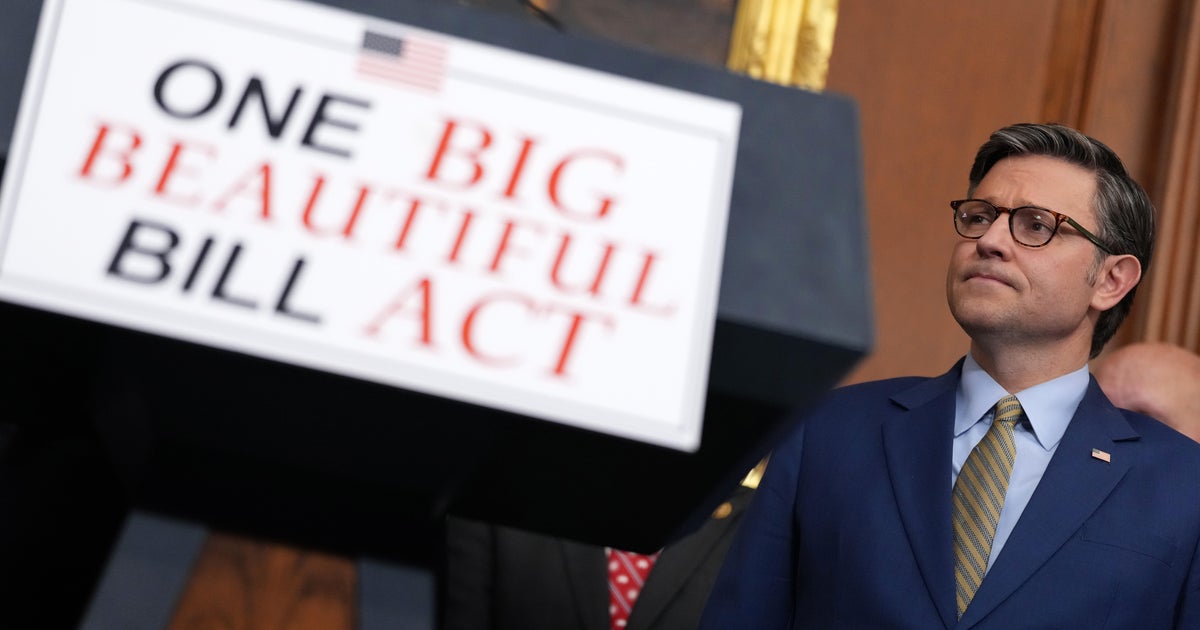

The recent Republican budget package aims to solidify President Donald Trump’s tax cuts while introducing new financial incentives. However, a study suggests this legislation, referred to as the “big, beautiful bill,” may disproportionately benefit older, wealthier Americans at the expense of younger generations. As lawmakers push for a swift vote, concerns arise over how this package could exacerbate economic disparities and incur long-term national debt.
| Article Subheadings |
|---|
| 1) The Implications of the Proposed Budget Package |
| 2) Wealth Disparity: The Data |
| 3) The Response from the White House |
| 4) The Legislative Timeline |
| 5) Future Outlook and Economic Concerns |
The Implications of the Proposed Budget Package
The Republican budget proposal seeks to enshrine Trump’s tax cuts as permanent fixtures of the U.S. financial landscape. While the bill aims to provide new financial incentives, a recent analysis by the Penn Wharton Budget Model indicates that the wealthiest Americans, particularly those over the age of 65, stand to reap significant benefits. This legislative proposal could potentially worsen the economic plight of younger generations, leaving them to shoulder an increasing national debt.
According to the Penn Wharton analysis, older, wealthier citizens are projected to gain financially from the tax cuts integrated within this budget package. Conversely, younger Americans, especially those from low to middle-income brackets, might find themselves at a disadvantage, receiving fewer benefits while facing higher costs in terms of taxation and debt. This situation highlights an urgent intergenerational conflict, where wealth is not merely redistributed but potentially transferred in favor of older demographics.
Wealth Disparity: The Data
The findings from the Penn Wharton Budget Model reveal stark inequalities in fiscal impact amongst age groups. Notably, infants born into low-income families would incur an estimated lifetime financial deficit of $14,100 due to reduced access to social safety nets and below-average economic growth driven by mounting national debt. Meanwhile, seniors in the highest income bracket could see gains upwards of $120,000 throughout their remaining years, demonstrating a concerning trend of wealth concentration among an aging populace.
Further analysis by the nonpartisan Congressional Budget Office (CBO) corroborates these conclusions, suggesting that the financial resources available to the lowest-income 10% of U.S. households could diminish by approximately $1,600 annually—about 4% of their income. In juxtaposition, the highest-earning 10% may experience an income increase of $12,000 per year, with middle-income households receiving a comparatively modest benefit of $500 to $1,000. Such disparate outcomes raise alarm bells regarding the future economic landscape for the nation’s youth.
The Response from the White House
The proposed budget has elicited a strong rebuttal from officials within the White House. Officials have argued that critics of the bill, including economists, should reconsider their previous forecasts regarding Trump’s initial tax cuts, which proponents claim led to historical job growth and a reduction in wealth inequality. White House spokesman Kush Desai has contended,
“So-called ‘experts’ panning the One, Big, Beautiful Bill without a smidge of humility should remember that they made these same exact gloomy predictions about President Trump’s tax cuts during his first term.”
This response indicates a broader strategy to reaffirm confidence in the proposed financial adjustments, despite substantial reservations from various sectors of the economic community.
Nonetheless, skepticism persists regarding the bill’s long-term viability, especially as critics emphasize the potential dangers of accruing further national debt. Historically, initiatives perceived as primarily benefiting wealthier demographics have faced scrutiny, leading to calls for a more equitable approach to fiscal policy.
The Legislative Timeline
As legislators accelerate efforts to finalize the budget proposal, time is of the essence. The House recently passed the bill with a narrow majority, while Senate committees are pressing for a vote by the end of the week. The self-imposed July 4 deadline looms large, with the last scheduled session for Congress before the holiday being on Friday. Political tensions are palpable, particularly surrounding contentious provisions such as the state and local tax deduction, commonly referred to as SALT. House lawmakers advocate for more substantial deductions compared to their Senate counterparts, leading to potential roadblocks in finalizing the legislation.
The urgent nature of this legislative process underscores the complexities involved in reconciling competing interests within government. With potential ramifications for both current and future generations, the race to pass this budget bill epitomizes pressing economic realities faced by lawmakers.
Future Outlook and Economic Concerns
Should the budget move forward, the long-term ramifications could outweigh the initial benefits, particularly for younger Americans. The interplay between benefit reductions and a burgeoning federal debt poses considerable challenges, leaving future generations in precarious financial circumstances. Economic experts, including Kent Smetters, director of the Penn Wharton Budget Model, warn that the burden of this debt will inevitably fall on younger citizens, thereby jeopardizing their financial stability.
Persistent national debt, currently exceeding $1 trillion per year in servicing costs, could lead to higher interest rates and increasing difficulty for federal programs like Social Security. With larger portions of the federal budget allocated to interest payments, the government may find it challenging to sustain essential services. Increasing costs of living, including more expensive mortgages, further complicate life for younger Americans, who may find themselves trapped under a mountain of debt as they attempt to navigate a challenging economic landscape.
The broader implications of this budget bill demonstrate the interconnectedness of economic policies, highlighting the necessity for lawmakers to consider the long-term consequences of their decisions actively. The potential for increased wealth inequality and lasting economic burdens should serve as a catalyst for more thoughtful, inclusive governance.
| No. | Key Points |
|---|---|
| 1 | The Republican budget aims to make Trump’s tax cuts permanent while offering additional financial incentives. |
| 2 | Analysis suggests that older, wealthier Americans will benefit the most, with younger generations facing financial hardships. |
| 3 | The proposed budget could exacerbate existing wealth disparities across different age groups. |
| 4 | The White House challenges the narrative and defends the potential economic benefits of tax cuts. |
| 5 | Urgent legislative timeline underscores the complexities and contestations surrounding the budget proposal. |
Summary
The proposed Republican budget package manifests a pivotal moment in U.S. fiscal policy, suggesting potential long-term repercussions that could favor older citizens at the expense of younger generations. This controversial legislation has sparked a robust debate concerning the merit of its financial benefits versus the broader economic consequences it may impose. As lawmakers grapple with pressing deadlines, the implications of this budget extend far beyond immediate tax relief, marking a significant moment in the ongoing dialogue about national economic health and equity.
Frequently Asked Questions
Question: How will the proposed budget affect younger generations?
The proposed budget could impose significant financial burdens on younger Americans, potentially increasing national debt and limiting access to essential social safety net programs, thereby hampering their economic well-being.
Question: Why do critics argue against this bill?
Critics argue that the bill disproportionately benefits wealthier, older individuals while undermining financial resources available to younger and lower-income populations, potentially exacerbating wealth inequality.
Question: What impact could higher debt have on the economy?
Increased national debt could lead to higher interest rates, reduced funding for critical government programs, and a slower overall economic growth rate, creating long-term challenges for future generations.
