

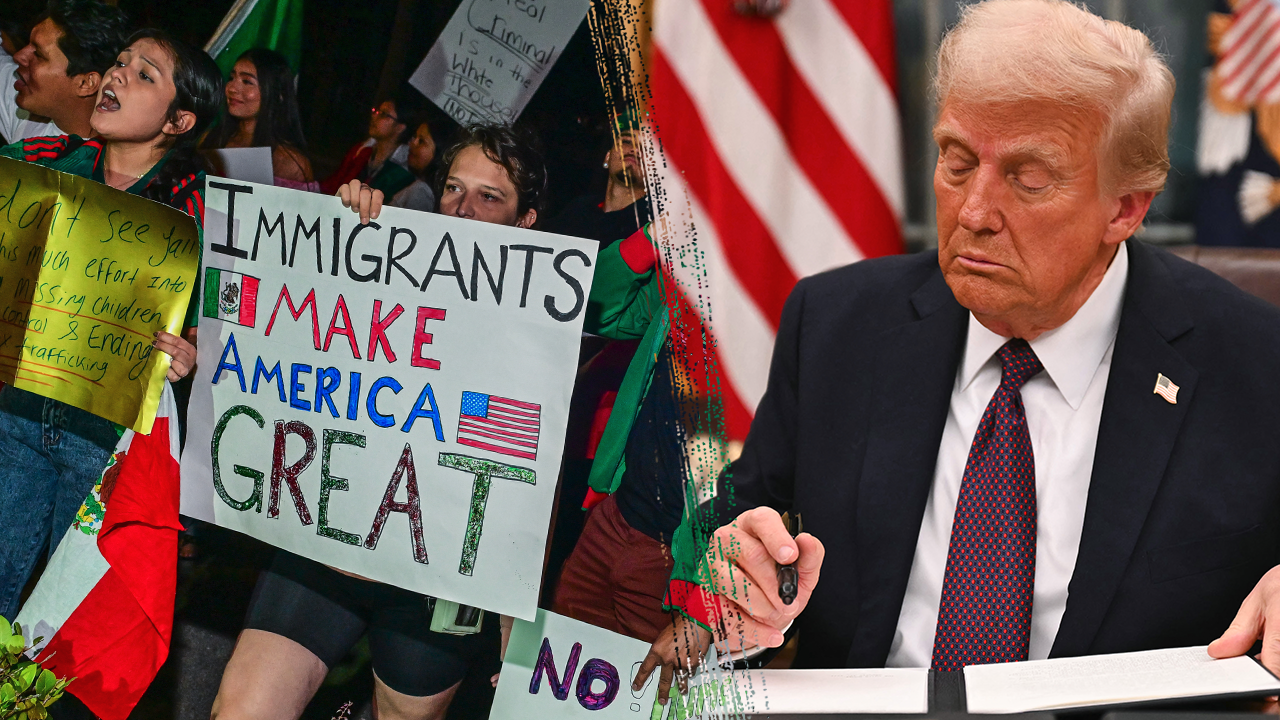

The Supreme Court is poised to hear oral arguments regarding President Donald Trump’s attempts to end birthright citizenship this Thursday. The case addresses challenges from lower courts which have blocked his policies, raising significant questions about the limits of executive power and judicial authority. As a pivotal moment in Trump’s presidency unfolds, this case could set important precedents for the balance of power between the executive branch and the judiciary.
| Article Subheadings |
|---|
| 1) The Supreme Court’s Decision: A Turning Point |
| 2) The Lower Court Rulings and Their Implications |
| 3) The Role of Activist Judges |
| 4) Nationwide Injunctions: Legal Precedent and Controversies |
| 5) Public Response and Political Fallout |
The Supreme Court’s Decision: A Turning Point
The Supreme Court’s upcoming examination of Trump’s policies represents a significant turning point in American jurisprudence. The justices will explore whether previous lower court rulings, which blocked the administration’s move to eliminate birthright citizenship, overstepped legal boundaries. This deliberation comes against the backdrop of a historical shift towards a more conservative judicial mindset following recent appointments to the court.
Who is involved? On one side, the Trump administration stands with its legal team advocating for a restrictive interpretation of citizenship rights that aligns with the administration’s broader immigration policies. On the other side, numerous states and immigrant rights organizations contest this interpretation, asserting its constitutionality. The case itself is rooted in a complex combination of immigration law, constitutional rights, and the long-standing principle of birthright citizenship.
When will the Supreme Court decide? Oral arguments are scheduled for Thursday, but a final ruling may take weeks or months, potentially influencing critical aspects of immigration policy. Where is this heading? Should the court uphold lower court decisions, it would reaffirm the authority of federal judges to block presidential actions deemed unlawful, setting a precedent with wide-ranging implications for executive power.
Why does this matter? The outcome could define how citizenship is interpreted in the U.S. and set a crucial precedent concerning the power dynamics between the presidency and the judicial system. How the justices resolve this question may not only shape Trump’s policies but also influence future administrations.
The Lower Court Rulings and Their Implications
The lower courts in Maryland, Massachusetts, and Washington state played critical roles in blocking Trump’s executive order. Earlier rulings issued ‘universal’ injunctions, effectively preventing the implementation of the birthright citizenship ban nationwide. These decisions were based on the argument that the executive order is unconstitutional, specifically because it contradicts the established interpretation of the Fourteenth Amendment.
Who issued these rulings? Notably, federal judges in these precincts emphasized the importance of maintaining legal norms and precedent in their opinions. What are the implications of these decisions? If the Supreme Court affirms the lower courts, it would not only bolster judicial authority but also serve as a check on Trump’s attempts to expand executive power unilaterally. A ruling against the lower courts could embolden similar executive actions in the future.
When did these lower courts make their decisions? The rulings occurred in the weeks following Trump’s announcement, underscoring the promptness and urgency with which the judiciary responded to executive overreach. Where does this lead? These outcomes pave the way for more contentious legal battles over immigration policy in the coming years. Why are these implications significant? They emphasize the role of the courts as guardians of constitutional democracy.
How might this affect future legal interpretations? A Supreme Court ruling that support lower court decisions would signify a continued defense of judicial limits against presidential authority—a crucial principle in maintaining the balance of power in American democracy.
The Role of Activist Judges
President Trump has been vocal in decrying what he characterizes as “activist judges” who, in his view, have acted politically to impede lawful executive action. He claims that these judges are overstepping their judicial authority, thus undermining the legitimacy of his administration. Who are these judges? Many judges who have ruled against Trump’s policies were appointed through previous administrations and are perceived as adhering to a more progressive interpretation of the law.
What does this mean for judicial authority? Trump’s labeling of judges as “activists” is intended to sway public opinion against the judiciary’s authority, framing them as obstacles to substantive policy changes. When did Trump begin making these comments? Throughout his presidency, particularly intensifying during issues related to immigration policy, including the birthright citizenship debate.
Where does this discourse lead? This framing of the judicial branch poses long-term consequences for the integrity and autonomy of the courts. Why is this significant? Such rhetoric could encourage reluctance among some judges to assert their authority, fearing backlash from the executive branch. How do these dynamics play out? The ongoing tension between the administration and the judiciary not only defines Trump’s presidency but also reshapes public trust in the impartiality of the judiciary.
Nationwide Injunctions: Legal Precedent and Controversies
Nationwide injunctions solidified by lower courts are a subject of intense legal debate. These injunctions serve to protect not just individual plaintiffs but also the broader populace from potentially unlawful executive actions. Who benefits from these injunctions? Affected undocumented immigrants, states, and advocacy groups have utilized these legal mechanisms to challenge policies they deem unconstitutional.
What does this mean legally? Such injunctions stand as controversial as they draw criticism from those who argue they undermine presidential authority and lead to widespread judicial overreach. When have these injunctions been most frequently applied? In contemporary cases, particularly focusing on immigration and health care policies, judges have readily issued these orders in response to executive actions.
Where might this lead in the future? Should the Supreme Court decide in favor of limiting federal judges’ authority to issue nationwide injunctions, future administrations could escape similar legal challenges. Why is this a possible outcome? It would reflect a strategic shift towards cementing executive power, potentially disregarding checks and balances. How do courts view these injunctions? Their validity remains a contested topic within legal circles, often stirring debates over jurisdictional limits.
Public Response and Political Fallout
The public response to attempts to end birthright citizenship has been overwhelmingly critical. Many Americans, alongside various advocates for immigrant rights, argue that the proposal undermines fundamental American values and historical precedents. Who comprises this opposition? A diverse coalition of advocacy organizations, civil rights groups, and concerned citizens has rallied against the executive order.
What reactions have emerged? Numerous protests have sprung up across the country, featuring demonstrators decrying the order and advocating for inclusive immigration policies. When have these protests intensified? Activism surged following Trump’s announcement, marking a resurgence in public engagement over immigration issues.
Where does the political fallout lead? Political pressures mount, potentially affecting midterm elections and swaying public opinion against the administration. Why is this significant? The dissociation from Trump’s policies may disincentivize moderate lawmakers from aligning with him, thus fracturing Republican unity. How does this engage community responses? Increased grassroots organizing emphasizes the dynamic interaction between public sentiment and political decisions, indicating that immigration remains a key issue in American politics.
| No. | Key Points |
|---|---|
| 1 | The Supreme Court is reviewing President Trump’s bid to end birthright citizenship, posing critical questions on executive power. |
| 2 | Lower courts have issued universal injunctions against Trump’s executive order, invoking concerns over its constitutionality. |
| 3 | Accusations of judicial activism from the Trump administration raise questions about the integrity and independence of the judiciary. |
| 4 | Nationwide injunctions have become a contested topic in legal circles, with debates over their appropriateness and scope. |
| 5 | Public opposition is growing against efforts to change birthright citizenship, influencing political narratives and actions. |
Summary
The Supreme Court’s upcoming deliberation on birthright citizenship underscores the ongoing struggle between executive power and the judiciary’s authority. This landmark case could redefine the landscape of immigration policy and affirm the balance of power within the U.S. government, with repercussions that will extend far beyond the current administration. As individuals and organizations rally against such moves, the interplay between law, public opinion, and policy remains dynamically intertwined during this pivotal moment in American governance.
Frequently Asked Questions
Question: What constitution is being discussed in the context of birthright citizenship?
The Fourteenth Amendment of the U.S. Constitution is being referenced, which grants citizenship to all persons born or naturalized in the United States.
Question: What has been the public response to Trump’s executive order regarding birthright citizenship?
Public sentiment has been largely negative, with numerous protests and advocacy campaigns emerging that oppose the ban as unconstitutional and contrary to American values.
Question: What role do nationwide injunctions play in judicial decisions?
Nationwide injunctions prevent the enforcement of executive actions on a broad scale, aiming to protect not only individual rights but also the interests of larger populations affected by such actions.
