

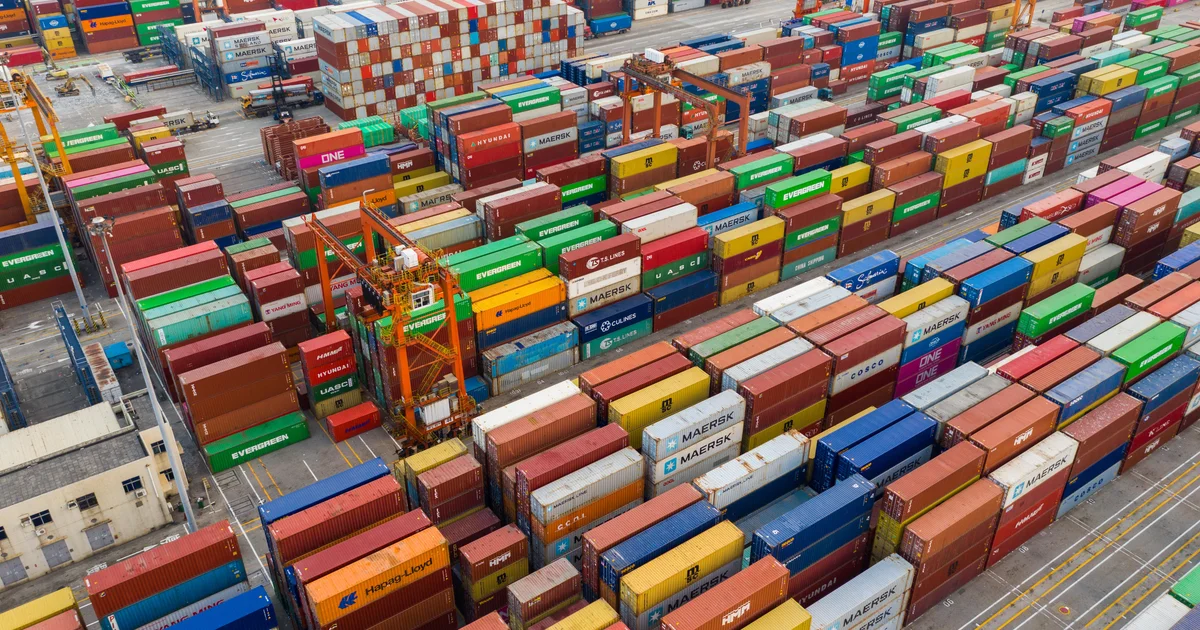

The United States government could potentially face liabilities totaling $168 billion if the Supreme Court determines that the Trump administration acted improperly by invoking federal emergency powers to impose tariffs on numerous countries. An analysis indicates that over $259 billion has been collected in tariff revenue to date. However, a ruling against the administration could necessitate refunding these amounts to importers, raising concerns among businesses about the financial implications and economic growth.
| Article Subheadings |
|---|
| 1) Legal Concerns Over Tariff Implementation |
| 2) Economic Implications of Potential Refunds |
| 3) The Position of Small Businesses |
| 4) Impact on Consumers and Household Finances |
| 5) Official Reactions and Future Outlook |
Legal Concerns Over Tariff Implementation
The ongoing legal debate centers around whether the Trump administration was justified in using the International Emergency Economic Powers Act (IEEPA) to impose tariffs. Analysts note that the Supreme Court seems divided on this issue. The high court’s skepticism is fueled by the fact that IEEPA does not explicitly mention tariffs and no prior president has utilized this act to justify broad tariffs against other nations. With these legal foundations in question, a ruling against the administration could result in significant financial repercussions for the government.
Economic Implications of Potential Refunds
If the Supreme Court upholds the view that the tariffs were improperly imposed, the U.S. government may face the necessity of refunding the collected amounts to affected importers. According to Professor Kent Smetters from the Wharton School at the University of Pennsylvania, striking down the tariffs could, paradoxically, bolster U.S. economic growth. This assertion is due to the inefficacy of tariffs as a revenue-raising method and their detrimental effect on business productivity, as companies find themselves paying inflated prices for imported goods.
The Position of Small Businesses
Small businesses across the nation have expressed concerns about the impact tariffs have had on their operations. Many argue that even if refunds are provided, the impact of increased import duties has already harmed their financial standing. For instance, Trinita Rhodes, owner of Beauty Supply Refresh in Missouri, remarked that the money would simply revert back to the suppliers, leaving retail businesses like hers to deal with the adverse effects of tariffs. Similarly, Rachel Lutz, who owns a clothing boutique in Detroit, stressed that the potential for refunds comes too late for many small enterprises that do not have sufficient cash reserves to weather the disruption.
Impact on Consumers and Household Finances
The repercussions of the tariffs have extended beyond businesses and are felt at the household level as well. Recent findings from the U.S. Congressional Joint Economic Committee indicate that the average U.S. household has incurred about $1,197.50 in tariff-related expenses from February to November. This has raised questions about the effectiveness of tariffs as a tool for economic management, especially considering that they have largely contributed to higher prices for everyday goods, contrary to Senator Maggie Hassan‘s statements that they were intended to lower costs for American families.
Official Reactions and Future Outlook
The Trump administration maintains that the tariffs are crucial for revitalizing the U.S. manufacturing sector and for generating federal revenue. A representative from the White House stated that failing to uphold the tariffs would have “enormous” economic and national security consequences. As the Supreme Court reviews the case, there is significant anticipation regarding the implications of its ruling on trade policy and overall economic health.
| No. | Key Points |
|---|---|
| 1 | The U.S. government may need to refund businesses up to $168 billion if the Supreme Court rules against tariffs. |
| 2 | The ongoing legal controversy questions the use of the International Emergency Economic Powers Act for imposing tariffs. |
| 3 | Small businesses argue that any potential refunds will not compensate for losses incurred due to high tariffs. |
| 4 | Households have collectively paid nearly $160 billion in tariffs, impacting consumer spending and daily expenses. |
| 5 | Officials stress the critical role of tariffs in supporting national security and economic growth despite backlash. |
Summary
The legal deliberations around tariffs imposed by the Trump administration bring significant economic implications for both businesses and consumers. A ruling against the administration may lead to large-scale refunds and a reevaluation of the use of emergency powers for tariff implementation. Ultimately, this case may shape the future landscape of U.S. trade policy and its repercussions on the economy.
Frequently Asked Questions
Question: What are tariffs?
Tariffs are taxes imposed on imported goods, often used to protect domestic industries or to generate revenue for the government.
Question: How do tariffs impact consumer prices?
Tariffs can lead to higher prices for imported goods; companies often pass these costs onto consumers, resulting in increased overall expenses.
Question: Why are emergency powers related to tariffs controversial?
The controversy arises from concerns over the legality and appropriateness of using emergency powers to justify broad tariff measures, particularly when traditional trade laws exist.
