

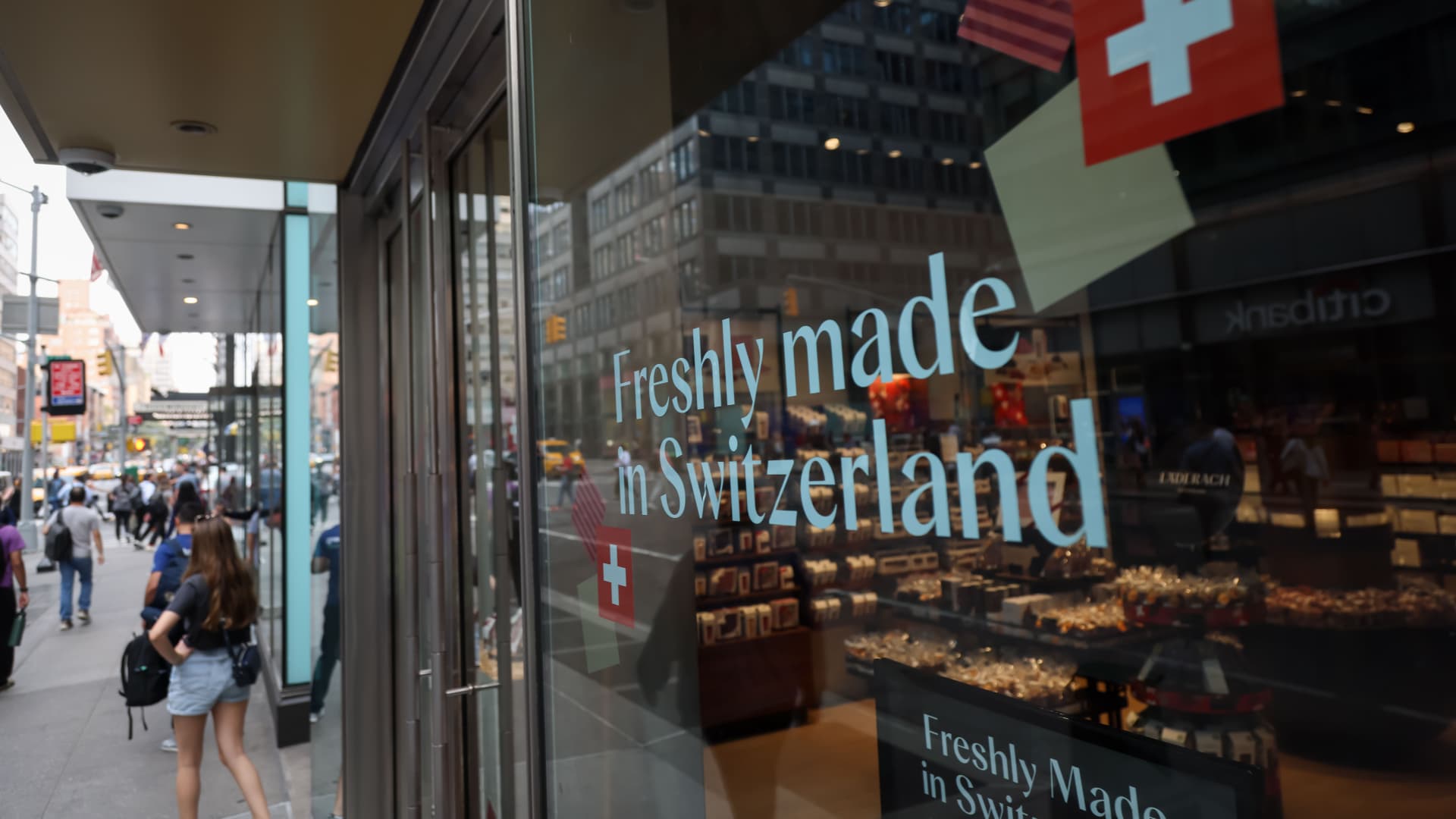

In a bold commitment to maintaining its heritage, Swiss chocolatier Läderach has firmly decided against expanding its operations to the United States. This declaration, made by CEO Johannes Läderach, comes in the wake of significant challenges, including a surge in U.S. tariffs on imports. While these tariffs momentarily spike to nearly 40%, they have since stabilized, prompting discussions on the future of luxury chocolate demand and operational strategies in the face of market volatility.
| Article Subheadings |
|---|
| 1) Commitment to Swiss Production |
| 2) Impact of U.S. Tariffs |
| 3) Challenges from Market Fluctuations |
| 4) U.S. Market Strategies |
| 5) Balancing Health and Indulgence |
Commitment to Swiss Production
Läderach has made it clear that its chocolate production will remain in Switzerland, a decision rooted deeply in its brand identity. CEO Johannes Läderach emphasized this point stating, “Never” when asked about the possibility of opening a production facility in the U.S. This sentiment reflects a strong belief that consumers of luxury chocolate associate quality and authenticity with Swiss craftsmanship. “Frankly, consumers want Swiss chocolates to be made in Switzerland, like Swiss watches should be made in Switzerland,” he elaborated. This commitment aligns with the company’s ethos of producing luxury, handcrafted goods that resonate with a deep cultural heritage.
Impact of U.S. Tariffs
The company has found itself navigating a complex landscape due to fluctuating U.S. tariffs on Swiss imports. During the summer period, these tariffs alarmingly jumped to 39%, creating significant challenges for import and distribution channels. However, this rate has since settled at a more manageable 15%. Despite this decrease, the initial spike has left a lasting mark on operational considerations. The increased costs were felt acutely within the company, but Johannes Läderach remains resolute about maintaining the integrity of their product rather than shifting production abroad. The combined pressures of heightened tariffs and a strong Swiss franc, along with rising cocoa prices, have necessitated a careful evaluation of pricing strategies.
Challenges from Market Fluctuations
Cocoa prices have dramatically surged over the past two years, primarily driven by supply shortages attributed to climate changes affecting cocoa farming. Although prices have receded from last year’s peaks, they remain significantly higher than those observed two years ago—about 50% higher on average. In light of these challenges, Läderach’s management acknowledges the turbulent environment but remains optimistic. Despite facing these substantial headwinds, the company anticipates robust revenue growth of approximately 20% for the upcoming years of 2025 and 2026. Johannes Läderach stated, “We’ve not been short of any challenges this year,” highlighting the complexity of navigating an ever-changing market landscape.
U.S. Market Strategies
Läderach is strategically targeting expansion within the U.S., identifying the market as crucial for its future growth. The chocolatier has already invested in eight new store openings this year, with plans to launch an additional ten stores within the next year, which would bring the total to nearly 70 locations nationwide. This aggressive expansion reflects a commitment to enhancing brand recognition and customer engagement within this pivotal market. To manage increased operational costs—stemming from tariffs and raw materials—the company implemented a minor price increase during the summer. This approach is coupled with a focus on maximizing sales growth at existing locations through unique offerings, underscoring their strategy to solidify Läderach’s presence in the U.S. chocolate market.
Balancing Health and Indulgence
The rise of health consciousness among consumers presents both challenges and opportunities for luxury food brands. Recently, weight loss drugs like those developed by pharmaceutical companies have raised concerns regarding shifts in consumer demand for indulgent products like chocolate. Johannes Läderach addressed the importance of balance, stating, “I think it’s good that people are health conscious…but life wouldn’t be life without indulgence as well, and that’s where we come in.” As the company navigates these complexities, maintaining its core dedication to high-quality chocolate while addressing evolving consumer preferences will be key to its sustained success.
| No. | Key Points |
|---|---|
| 1 | Läderach is committed to producing its chocolates exclusively in Switzerland. |
| 2 | U.S. tariffs on Swiss chocolates surged to 39% before stabilizing at 15%. |
| 3 | Rising cocoa prices and a strong Swiss franc add pressure to operational costs. |
| 4 | The company plans to expand its U.S. presence with nearly 70 stores by 2025. |
| 5 | Läderach emphasizes maintaining indulgence in a health-conscious market. |
Summary
Läderach’s steadfast commitment to Swiss production amidst rising tariffs and market fluctuations exemplifies the complexities luxury brands face in a globalized economy. The company’s focus on expansion within the U.S. market, coupled with a dedication to maintaining high-quality standards, reflects a resilient strategy aimed at navigating the evolving landscape of consumer preferences and economic pressures. Through innovation and a deep respect for traditional craftsmanship, Läderach aims to carve out a sustainable niche in the competitive chocolate sector.
Frequently Asked Questions
Question: Why won’t Läderach open a production site in the U.S.?
Läderach has reiterated its commitment to producing chocolate exclusively in Switzerland, believing that authenticity and quality are paramount for luxury chocolate consumers.
Question: What impact do U.S. tariffs have on Läderach?
The tariffs, which peaked at 39%, significantly affected import costs, ultimately shaping the pricing strategies and operational challenges the company faces in the U.S. market.
Question: How is Läderach addressing rising cocoa prices?
The company has implemented minor price increases to partially counteract the rising costs associated with cocoa and other operational expenses while maintaining the integrity of its handmade chocolate products.
