

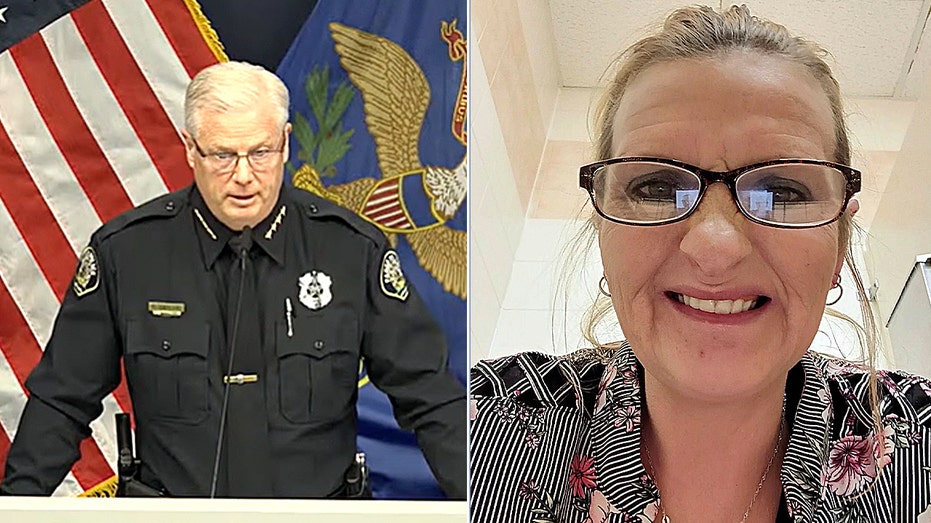

Angela Lipps, a Tennessee grandmother, has sued the city of Fargo and its police department, alleging that an artificial intelligence facial recognition error led to her arrest and nearly six months in custody. Authorities allegedly relied on a facial recognition match during a North Dakota bank theft investigation even though records placed Lipps in Tennessee when the alleged crimes occurred.
Lipps was arrested at gunpoint in Tennessee in July 2025, extradited to North Dakota and held on a $100,000 bond. Prosecutors dismissed eight felony charges in December 2025 after she provided records showing she was not in North Dakota. Experts say the case demonstrates why facial recognition results should be treated as investigative leads rather than confirmed identifications.
| 1) | The arrest and lawsuit |
| 2) | How the facial recognition match was used |
| 3) | Evidence that allegedly pointed away from Lipps |
| 4) | Official response and dismissal of charges |
| 5) | Experts call for stronger safeguards |
The arrest and lawsuit
Lipps, 50, of Elizabethton, Tennessee, filed her complaint on September 15, 2026, against the city of Fargo and its police department. The lawsuit alleges that she was caring for four young children at a neighbor’s home when U.S. Marshals arrived on July 14, 2025, and arrested her under a nationwide warrant.
The complaint says Lipps had no connection to the alleged crimes or North Dakota. She reported spending 108 days in a Tennessee county jail before extradition. In North Dakota, she was held on a $100,000 bond while facing eight felony counts, including charges carrying potential maximum sentences of up to 10 years.
How the facial recognition match was used
The investigation concerned alleged bank fraud in Fargo and West Fargo during April and May 2025. According to the complaint, an unknown woman used false identification documents and stolen identities. Investigators reportedly used a photograph from one fraudulent identification card for a facial recognition search instead of relying only on surveillance footage.
The lawsuit alleges that investigators used Clearview AI and treated its result as a positive identification, although the service’s terms require matches to be considered potential leads. The complaint says the match was not independently corroborated. West Fargo police reportedly declined to seek charges because the result was unconfirmed.
Evidence that allegedly pointed away from Lipps
The complaint alleges that Detective Lucas Heck did not review financial and travel records showing Lipps was in Tennessee during the North Dakota thefts. It also says investigators did not conduct photo lineups with bank tellers.
The lawsuit points to alleged differences between Lipps and the woman in surveillance footage, including physical build and a neck tattoo on Lipps that was not visible on the suspect. The complaint accuses Heck of ignoring, concealing or misrepresenting evidence supporting Lipps’s innocence. Those claims remain allegations in the civil case.
Official response and dismissal of charges
Lipps was eventually cleared after presenting bank records showing she was in Tennessee during the alleged offenses. Prosecutors dismissed all charges on December 24, 2025. The complaint says that after her release, she discovered that her home, vehicle and personal property had been lost during her absence.
The Fargo Police Department and the city later acknowledged investigative errors at a March 2026 news conference. Mayor Tim Mahoney said officials addressed the issue after the police chief identified problems involving the source and use of facial recognition information. The supplied account does not specify the damages sought.
Experts call for stronger safeguards
Technology and civil rights experts say facial recognition can direct an investigation but should not independently establish probable cause. Clare Garvie, deputy director of Technology Law and Policy at the Policing Project, said experts are aware of 16 misidentifications in which people were allegedly wrongfully arrested and jailed after a facial recognition match.
“We are aware of 16 misidentifications stemming from a face recognition match where someone was wrongfully arrested and spent time in jail because of that misidentification,” Garvie said.
Nate Freed-Wessler, a deputy director at the American Civil Liberties Union, said wrongful arrests linked to the technology have been reported for at least five or six years and appear to be increasing. He said some departments have avoided documenting their use of facial recognition or other AI systems, making review more difficult.
| Number | Key Point |
|---|---|
| 1 | Lipps alleges an uncorroborated facial recognition match led to her arrest. |
| 2 | She spent 108 days in a Tennessee county jail before extradition. |
| 3 | Charges were dismissed after records placed her in Tennessee. |
| 4 | Experts identified 16 alleged wrongful arrests linked to facial recognition misidentifications. |
Summary
The Lipps lawsuit highlights the consequences of using facial recognition without independent verification. Her allegations and experts’ warnings underscore the need for documented procedures, corroborating evidence and meaningful review before an AI-generated match contributes to an arrest or prosecution.
Frequently Asked Questions
Why was Angela Lipps arrested?
According to her lawsuit, authorities connected her to a North Dakota bank theft investigation through a facial recognition match based on an image from a fraudulent identification document.
How long was Lipps held?
She said she spent 108 days in a Tennessee county jail before extradition and was then held in North Dakota. The complaint describes the overall detention as nearly six months.
What happened to the criminal charges?
Prosecutors dismissed all eight felony charges on December 24, 2025, after Lipps provided bank records showing she was in Tennessee during the alleged thefts.
What safeguards do experts recommend?
Experts emphasize that facial recognition results should be treated as investigative leads and independently checked through records, witness procedures and other evidence.
