

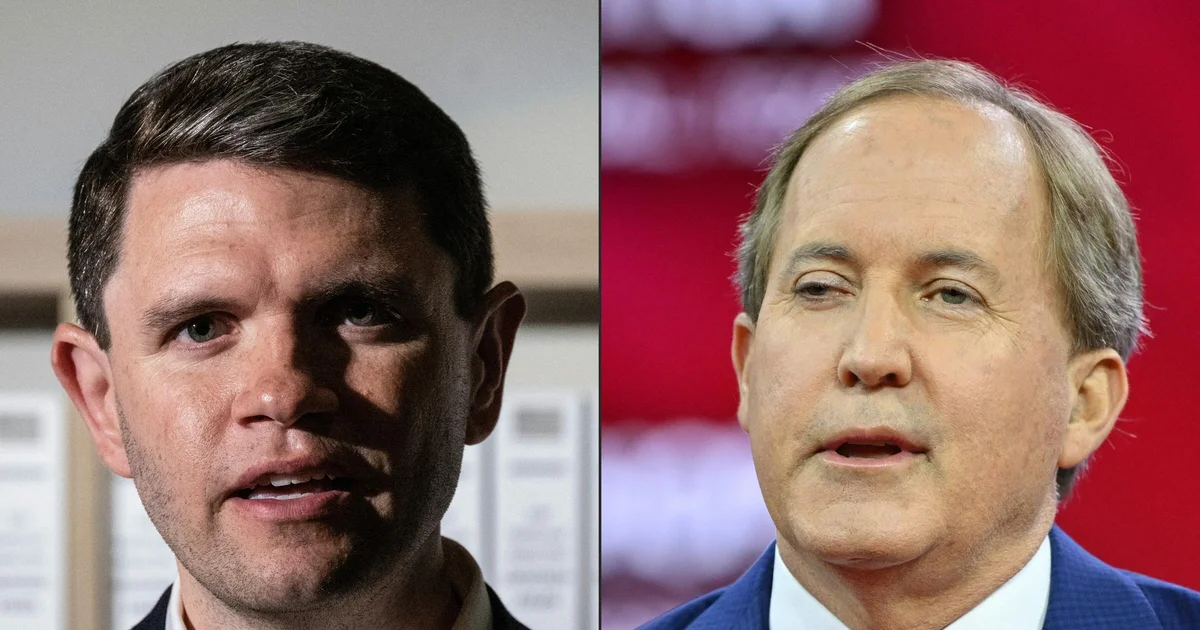

The Texas Senate race is intensifying, with the contest standing nearly even between Republican incumbent Ken Paxton and Democratic challenger James Talarico. As the election approaches, voter turnout will play a critical role in determining the outcome. While Paxton benefits from Texas’s Republican leaning, Talarico gains traction due to economic concerns and a stronger perception of personal character among voters. This evolving dynamic continues to shape the election landscape, leaving both candidates with areas of strength and vulnerabilities.
| Article Subheadings |
|---|
| 1) Economic Concerns Favor Talarico |
| 2) Paxton’s Support Base |
| 3) Demographic Challenges for Talarico |
| 4) The Impact of the Governor’s Race |
| 5) Summary of Voter Sentiments |
Economic Concerns Favor Talarico
Texas voters rank the cost of living as their top concern, a sentiment echoed by a significant portion of the electorate. Reports indicate that economic headwinds affecting the Republican Party nationally are evident in Texas, signaling potential vulnerabilities for Paxton. Data show that most voters have felt the pinch from rising prices, and Talarico is gaining support as he focuses on these issues. Polls indicate that among voters concerned about economic hardships, Talarico holds a distinct advantage over Paxton, highlighting how economic factors could significantly influence voter behavior leading up to the election.
Moreover, many voters perceive Talarico as possessing the right character to serve in the Senate, adding to his appeal. Personal qualities seem to resonate more with Talarico’s supporters than with those backing Paxton, indicating that these traits could play a considerable role in swaying undecided voters. This dynamic positions Talarico favorably as he seeks to galvanize the electorate around his platform focused on economic stability and character-driven leadership.
Paxton’s Support Base
In contrast, Paxton enjoys robust backing from the traditional Republican voter base. A considerable portion of his support stems from party loyalty, as many voters back him primarily because he is the GOP nominee. This phenomenon is especially pronounced among those aligned with the Trump administration, where Paxton’s alignment with former President Trump has bolstered his appeal. Many of his supporters view this election as a necessary step to oppose the Democratic agenda that Talarico represents.
Furthermore, some Republican voters are motivated by a desire to preserve their cultural norms and values, perceiving Paxton as the candidate to safeguard these aspects against what they consider threats posed by Talarico’s policies. The strong identification of Paxton with conservative principles contributes to his viability among die-hard Republicans, which could ultimately shape the outcome of the race.
Demographic Challenges for Talarico
Talarico faces significant demographic challenges in the Texas Senate race. With a predominantly Republican voter base in the state, Talarico must excel in securing the support of independent voters and potentially gain some traction among moderate Republicans. Analysts suggest that his campaign strategy requires energizing young voters, a demographic that traditionally exhibits lower turnout rates compared to older voters. Despite showing a favorable inclination towards Talarico, the real challenge lies in motivating this group to actively participate in the electoral process.
Additionally, Latino voters present a complex battleground. After supporting Trump in the previous election, there appears to be a notable swing back toward Talarico in the current political climate. This demographic is particularly affected by rising costs and are more likely to express dissatisfaction with Paxton’s character. However, Talarico needs to maintain momentum within this demographic to counteract the overall Republican majority in Texas.
The Impact of the Governor’s Race
As the Senate race unfolds, the parallel contest for governor also casts a shadow over the electoral dynamics. Incumbent Governor Greg Abbott enjoys a distinct advantage over his Democratic challenger, Gina Hinojosa. Abbott’s solid position contributes to the overall Republican strength in the state, which may affect voter turnout patterns in the Senate race as well. Interestingly, some supporters of Talarico also express backing for Abbott, complicating the electoral map for both candidates.
With the gubernatorial race serving as a backdrop, both candidates in the Senate contest must navigate the interplay of loyalty and dissatisfaction among voters regarding their respective parties. Paxton’s campaign would likely benefit from Abbott’s strength, while Talarico must find ways to dissociate his candidacy from potential negatives associated with Democrats in broader state races.
Summary of Voter Sentiments
As the Texas Senate race heads into its critical final weeks, voters’ sentiments are divided yet reflective of broader national trends. Key concerns center around economic stability and personal character, which appear to favor Talarico. However, Paxton’s solid backing from Republican loyalists and alliance with former President Trump continue to serve as formidable obstacles for Talarico.
The question ultimately becomes whether Talarico can engage enough independents and younger voters to balance the scales in a state that historically leans conservative. With turnout remaining a central factor, both candidates must mobilize their supporters effectively as they approach the election day.
| No. | Key Points |
|---|---|
| 1 | The Texas Senate race between Ken Paxton and James Talarico remains competitive, with voter turnout crucial for victory. |
| 2 | Economic concerns significantly favor Talarico as voters rank the cost of living as their top issue. |
| 3 | Paxton’s support largely stems from party loyalty and alignment with conservative values linked to the Trump administration. |
| 4 | Talarico faces demographic challenges, needing strong support from independents and younger voters to secure a win. |
| 5 | The gubernatorial race’s dynamics also influence the Senate race as voters consider their overall party positions. |
Summary
As the Texas Senate race unfolds, key factors such as economic pressures, voter demographics, and the gubernatorial landscape significantly shape the electoral atmosphere. With both candidates addressing divergent concerns, the dynamics reflect broader national issues. Ultimately, the outcome hinges on voter mobilization and engagement, making the next few weeks critical as both Paxton and Talarico ramp up their campaigns.
Frequently Asked Questions
Question: What are the primary issues driving the Texas Senate race?
The primary issues driving the Texas Senate race include the cost of living, economic stability, and candidates’ personal character. Voters are particularly concerned about rising prices and how these issues affect their daily lives.
Question: How does party loyalty impact the election outcome?
Party loyalty is a crucial factor in Texas, where many voters are backing Republican Ken Paxton primarily due to his status as the GOP nominee and his alignment with former President Trump’s policies.
Question: What demographic challenges does James Talarico face?
Talarico faces significant demographic challenges, as he needs to secure strong turnout and support from independent voters and younger demographics, which historically have lower voter participation rates.
