

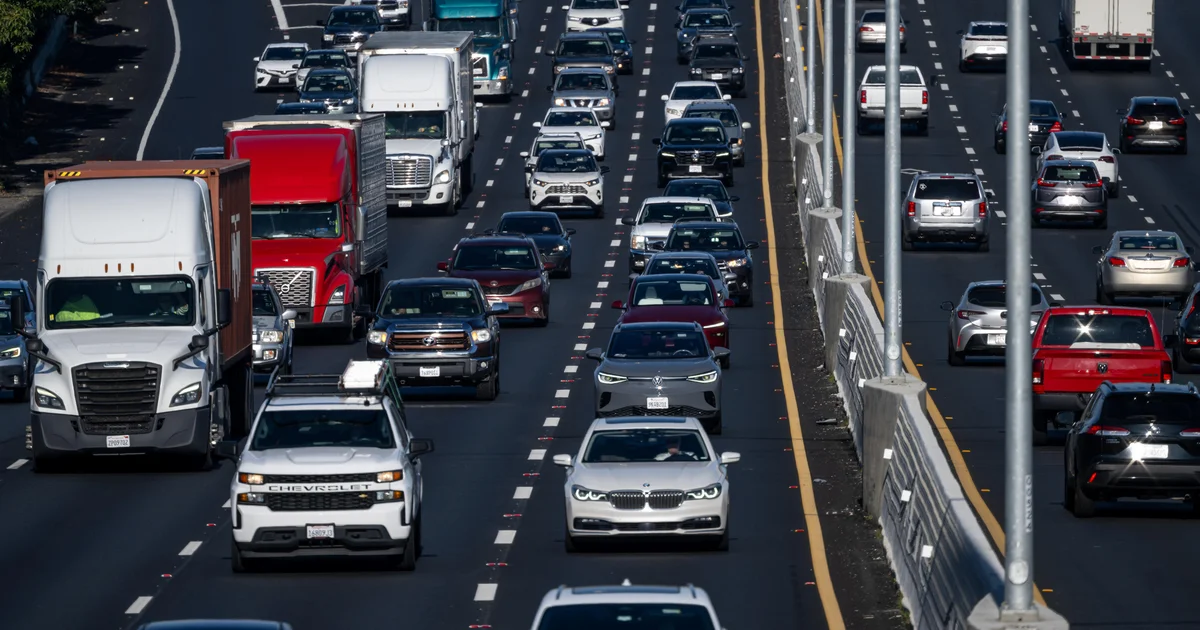

The Trump administration is advancing a controversial proposal to roll back fuel economy standards for vehicles, reversing efficiency rules established under the Biden administration. This change, announced Wednesday during a White House event, would require automakers to adhere to less stringent mileage requirements, a move that critics argue could undermine environmental initiatives. Supporters claim it will ease financial burdens on manufacturers and consumers alike.
| Article Subheadings |
|---|
| 1) New Mileage Standards Proposed |
| 2) Arguments For and Against |
| 3) Impact on Vehicle Pricing |
| 4) Reactions from Automakers |
| 5) Environmental Concerns |
New Mileage Standards Proposed
The administration’s proposal, which was unveiled at a White House event, outlines a significant relaxation of fuel economy standards for light-duty vehicles, setting the new industry average at roughly 34.5 miles per gallon through the 2031 model year. This standard marks a stark decrease from the 50 miles per gallon requirement established under the previous administration.
Transportation Secretary Sean Duffy criticized the former standards, claiming they resulted in increased vehicle costs and were “completely unattainable” for the automotive industry. He mentioned that the National Highway Traffic Safety Administration (NHTSA) was directed to evaluate the CAFE (Corporate Average Fuel Economy) regulations as early as January this year.
In the eyes of the Transportation Department, the proposed changes ultimately aim to save families an estimated $1,000 on the average cost of new vehicles and potentially save consumers a total of $109 billion over five years. Advocates of the standards argue that by making vehicles more affordable, the proposal will encourage more families to buy newer, safer cars.
Arguments For and Against
Supporters of the new legislation assert that the relaxed standards will foster a healthier automotive market. The Trump administration contends that automakers have been forced into producing vehicles that employ expensive technology and have thus seen their prices soar.
“Automakers were compelled to build cars using expensive technologies that drove up costs,”
stated the former president.
Nevertheless, critics—including environmental organizations and lawmakers—oppose the rollback, citing its potential consequences on climate change. The current standards were aimed at reducing greenhouse gas emissions and encouraging the production of electric vehicles, which many believe are essential in combating climate challenges. Critics argue that easing these standards would impede progress in promoting greener technologies.
Impact on Vehicle Pricing
Despite the proposal’s potential benefits, experts warn that consumers should not expect immediate reductions in vehicle prices. Zach Shefka, CEO of CarEdge, notes that automobile manufacturers typically plan and develop products well in advance—often five years ahead—indicating that any significant decrease in prices may take time to materialize.
Should the proposal effectively lower vehicle costs, it would likely occur years from now, as new models incorporating these changes roll out. In the meantime, current market dynamics may continue to apply pressure to vehicle prices.
Reactions from Automakers
During the announcement, President Trump was joined by various auto industry executives, including Antonio Filosa, CEO of Stellantis. The CEO expressed his support for the proposed fuel efficiency standards, emphasizing that this initiative would align the CAFE standards with real-world market conditions.
General Motors also endorsed the new standards. A spokesperson said,
“GM supports the goals of NHTSA’s proposed CAFE rule and its intention to better align fuel economy standards with market realities.”
The proposed changes must undergo an official regulatory process before being implemented, signaling that the automotive industry’s support may play a critical role in determining the ultimate outcome.
Environmental Concerns
The possibility of increasing oil consumption and further delaying the shift towards more environmentally friendly technologies has alarmed various stakeholders. The Center for Biological Diversity, a nonprofit organization dedicated to preserving endangered species, voiced strong opposition to the proposal.
“Trump’s action will feed America’s destructive use of oil, while hamstringing us in the green tech race against Chinese and other foreign carmakers,”
said Dan Becker, director of the organization’s Safe Climate Transport Campaign.
The existing CAFE standards, finalized in June 2024 under the Obama administration, aimed to reduce pollution and save American consumers approximately $23 billion at the fuel pump while also serving as a catalyst for electric vehicle production. Invalidating these standards represents a significant ideological shift in U.S. transportation policy.
| No. | Key Points |
|---|---|
| 1 | The Trump administration proposes new fuel economy standards that are less stringent than those under the Biden administration. |
| 2 | The relaxed standards would set the average for light-duty vehicles at 34.5 miles per gallon through the 2031 model year. |
| 3 | Proponents claim this move will save consumers money and increase vehicle safety. |
| 4 | Critics argue that rolling back the standards will have negative environmental consequences and impede progress towards electric vehicle adoption. |
| 5 | Experts indicate consumers may not see immediate price reductions in vehicles as development cycles take time. |
Summary
The proposal by the Trump administration to roll back fuel economy standards marks a significant shift in U.S. automotive policy. While officials herald potential financial benefits for consumers and automakers, critics warn that such changes could exacerbate climate challenges and undermine efforts toward cleaner technology. The implications of this policy shift are likely to resonate throughout the automotive industry and consumer markets, making it a pivotal topic for discussion in the coming years.
Frequently Asked Questions
Question: What is the purpose of fuel economy standards?
Fuel economy standards are regulations aimed at reducing fuel consumption and greenhouse gas emissions by setting minimum efficiency requirements for vehicles.
Question: How do mileage standards affect consumers?
Mileage standards may influence the price of vehicles; tighter fuel economy regulations could lead to higher vehicle costs due to required technological advancements, while relaxed rules could result in lower prices.
Question: What do critics say about rolling back these standards?
Critics argue that rolling back fuel economy standards could increase oil consumption, negatively impact air quality, and slow down the transition toward electric vehicles, which are crucial for addressing climate change.
