

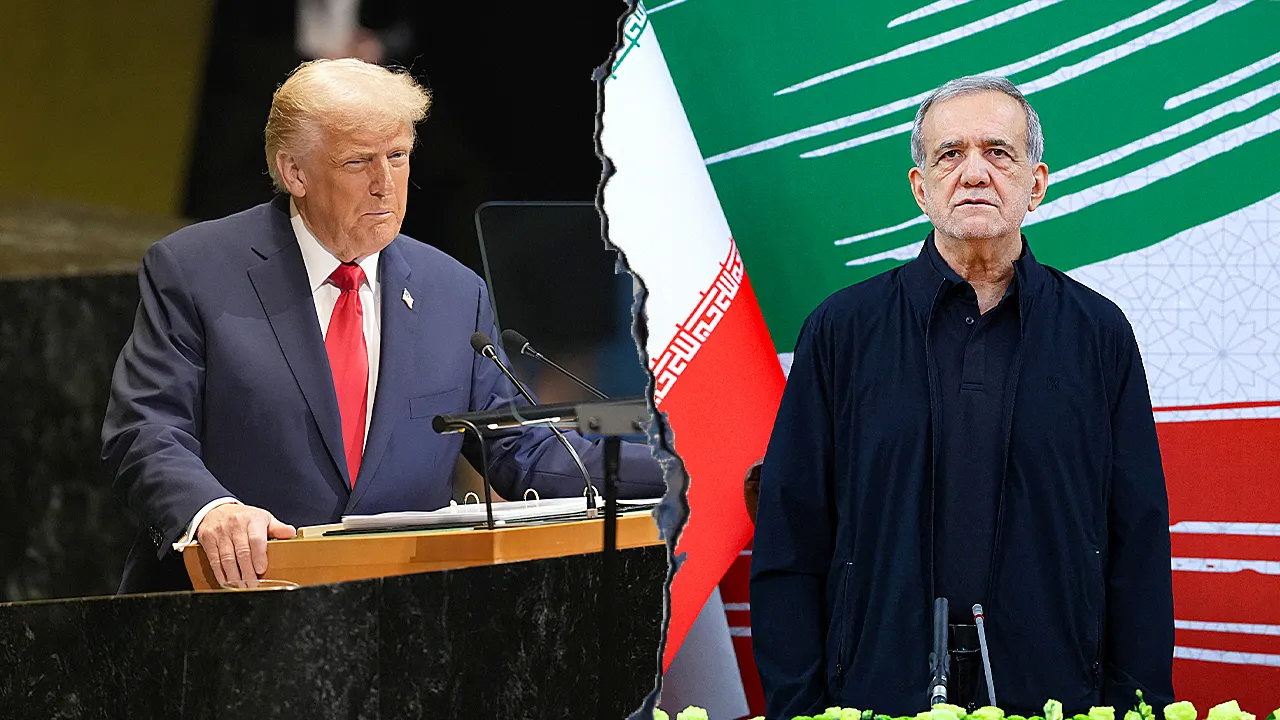

In a significant diplomatic moment, President Donald Trump and Iranian President Masoud Pezeshkian are preparing to convene in New York City for the United Nations General Assembly (UNGA). This week’s assembly is notable not only for the high-profile figures involved but also for the context of heightened tensions between the U.S. and Iran, amidst ongoing conflict in the Middle East. The Iranian delegation is subject to stringent U.S. restrictions, leading to discussions centered around both criticism and opportunities for dialogue.
| Article Subheadings |
|---|
| 1) Scope of the Upcoming UNGA Meeting |
| 2) Diplomatic Background and Current Tensions |
| 3) Restrictions Imposed on the Iranian Delegation |
| 4) Potential Outcomes of Diplomatic Engagement |
| 5) Implications for U.S.-Iran Relations |
Scope of the Upcoming UNGA Meeting
The United Nations General Assembly serves as a platform for world leaders to address critical global issues, and this year’s gathering will be particularly significant, given the juxtaposition of President Trump and President Pezeshkian at the same event. Both leaders will address the assembly on separate days, with Trump scheduled for Tuesday and Pezeshkian on Wednesday. At the heart of this meeting lies the geopolitical intricacies of the Middle East, compounded by the ongoing conflict that has persisted for over half a year, setting the stage for a potentially dramatic diplomatic exchange.
The high-profile nature of this encounter has drawn observations from political analysts and former government officials alike. They note that the setting at the UN could yield significant diplomatic moments, particularly as both leaders navigate the challenges posed by their respective national agendas. As the world watches, the contrasting tones of their speeches may further highlight the divisions present in international relations today.
Diplomatic Background and Current Tensions
The backdrop to this assembly is characterized by escalating tensions between the U.S. and Iran, which are exacerbated by continued military actions and confrontations in the region. The longstanding conflict between these two nations has recently seen the introduction of renewed military strategies by the Trump administration, which is weighing options for potential strikes against Iranian targets. This is underscored by a report from Iran’s Supreme National Security Council Secretary, Mohsen Rezaei, who indicated that the Iranian government has outlined seven conditions for any negotiations with the United States. As such, the implications of this assembly are particularly poignant, as the two nations stand at a crossroads of conflict and dialogue.
Iran has already expressed warning against potential military actions planned by the U.S. and its allies, indicating a readiness for defensive measures should such actions be carried out. This constant back-and-forth between military positioning and diplomatic rhetoric paints a complex picture of current international relations, one where each meeting at the UN could represent an opportunity for change, or a further shoring up of hostilities.
Restrictions Imposed on the Iranian Delegation
In preparation for the UNGA, the U.S. government has implemented stringent restrictions on the movements of the Iranian delegation while they are in New York. Although the U.S. historically facilitates the entry and transit of foreign representatives to fulfill its obligations as a host country, it has placed specific limits due to the current hostile relationship with Iran. The State Department has communicated that while Iranian officials, including Pezeshkian, have been granted visas, their activities will be closely monitored and restricted during their stay.
Former officials have described this as a strategic move by Washington to balance diplomatic engagement with security concerns. U.S. officials have emphasized that the Iranian delegation will not have the liberty to engage in significant activities beyond their official responsibilities, including restrictions on commercial activities and public interactions. This delineation of access reflects a broader sentiment within the U.S. that Iranian officials should not be afforded free rein, particularly while accusations persist surrounding their regime’s violations of human rights and the repression of its citizens.
Potential Outcomes of Diplomatic Engagement
The upcoming UNGA presents a crucial opportunity for both the U.S. and Iran to engage in meaningful dialogue amidst extreme tensions. Political analysts suggest that while the chances for immediate breakthroughs may be limited, the presence of both leaders at the assembly offers a chance for more private discussions that could bear fruit in the long term. This sentiment is underpinned by hopes from U.S. State Department officials who see value in exploring diplomatic channels that could lead to a reduction in hostilities.
Experts indicate that if both sides can navigate the complexities of their respective stances and responsibilities, the assembly could serve as a catalyst for addressing broader regional issues and possibly paving the way for peace talks. The environment at the UN, traditionally a venue for diplomacy, presents an opening for the leaders to step back from their entrenched positions and consider paths toward resolution.
Implications for U.S.-Iran Relations
The unfolding events at the UNGA are likely to have significant ramifications for U.S.-Iran relations moving forward. As Republican and Democratic leadership continues to grapple with national security concerns, the rhetoric and actions taken during this assembly may further heighten or alleviate tensions, depending on their outcome. The potential for backchannel negotiations at the event could mark a shift in the course of diplomacy depending on the responses each side lays out in their respective addresses.
Additionally, the public perception of each leader’s approach to the assembly may have implications on domestic frontlines. With ongoing conflicts at stake, both leaders will be under scrutiny not only from opposing political factions within their nations but also from the international community at large, which watches how they seek reconciliation in a fraught geopolitical landscape.
| No. | Key Points |
|---|---|
| 1 | President Donald Trump and Iranian President Masoud Pezeshkian will address the UNGA this week amidst heightened tensions. |
| 2 | The Iranian delegation faces strict U.S. restrictions limiting their movements and activities in New York City. |
| 3 | Diplomatic analysts suggest there are both opportunities for dialogue and significant challenges during the assembly. |
| 4 | The assembly could serve as a platform for discussing regional security, particularly regarding the Strait of Hormuz. |
| 5 | The outcomes of the UNGA will have lasting implications for the future of U.S.-Iran relations amid ongoing military conflicts. |
Summary
As President Donald Trump and Iranian President Masoud Pezeshkian prepare for their addresses at the UNGA, international attention is focused on the potential for renewed diplomatic relations between the U.S. and Iran. While tensions run high and restrictions on the Iranian delegation highlight the complexities of these interactions, the assembly may also represent a pivotal moment for both leaders to engage in substantive dialogue. The outcomes of their discussions could shape the evolving narrative of U.S.-Iran relations in a changing geopolitical landscape.
Frequently Asked Questions
Question: What are the key issues being discussed at the UNGA between the U.S. and Iran?
The primary issues include escalating military tensions, potential diplomatic negotiations, and the implications of U.S. sanctions on Iran, alongside broader regional security concerns.
Question: Why are restrictions placed on the Iranian delegation during the UNGA?
The restrictions are imposed due to ongoing hostilities between the U.S. and Iran, aiming to prevent the Iranian officials from engaging in activities beyond their official diplomatic roles.
Question: What is the significance of the UNGA in relation to U.S.-Iran relations?
The UNGA presents a crucial opportunity for both nations to address their longstanding tensions in a formal setting, potentially paving the way for future dialogue and conflict resolution.
