

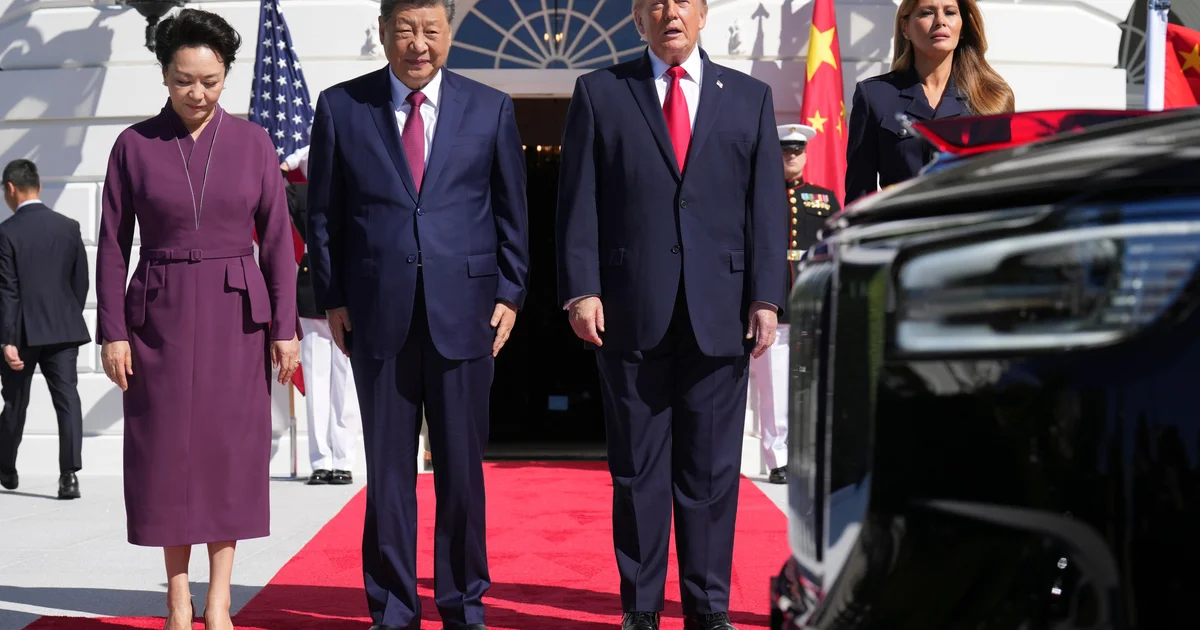

In a recent summit held in Washington, leaders from China and the United States agreed to establish new communication channels in order to better manage incidents related to artificial intelligence (AI) and military crises. Although the three-day meeting between President Xi Jinping and President Donald Trump did not produce significant breakthroughs, it marked an important step toward increased cooperation on key bilateral issues. The two nations also focused on trade relations and reiterated their commitment to working together on various fronts.
| Article Subheadings |
|---|
| 1) Summit Overview and Objectives |
| 2) Key Agreements and Initiatives |
| 3) Discussions on Trade and Economic Cooperation |
| 4) Military and Crisis Management Dialogues |
| 5) Future Prospects and Challenges |
Summit Overview and Objectives
The summit, which took place over three days, aimed to address ongoing tensions and foster dialogue between the two nations. President Xi Jinping and President Donald Trump focused on important bilateral issues while emphasizing the necessity for peaceful communication. The meeting was characterized by a diplomatic atmosphere, with leaders aiming to establish frameworks for cooperation in sectors such as technology and security.
One of the primary objectives of the summit was to enhance trust and understanding between the two countries, especially in light of past disputes, including a contentious trade war. Both sides understood that maintaining communication channels is essential to avert misunderstandings that could escalate into more serious conflicts.
Key Agreements and Initiatives
During the summit, the leaders announced several key agreements that reflect an effort to open lines of communication in specific domains. A notable outcome was the establishment of a framework for managing AI-related incidents, designed to facilitate discussions on potential risks and benefits associated with artificial intelligence. The two countries are preparing for an AI-focused dialogue scheduled for November, which aims to deepen their engagement in this increasingly critical field.
Additionally, both leaders agreed to a memorandum of understanding aimed at strengthening crisis communication channels between their military forces. This is a significant development, as it signals both nations’ commitment to preventing crises and managing any military incidents that could arise from misunderstandings or miscalculations.
Discussions on Trade and Economic Cooperation
Trade discussions were a key component of the summit, with both nations aiming to ease tensions stemming from a trade war that has lasted for over a year. The leaders discussed reducing reciprocal tariffs on approximately $30 billion worth of goods, focusing efforts primarily on non-sensitive products, such as agricultural goods and holiday decorations. This agreement represents a crucial step as both countries try to revitalize their economic relationship.
Furthermore, an agreement was reached for China to import at least 10 million metric tons of coal from the U.S. in the years 2027 and 2028. Such agreements are a welcome development for U.S. exporters, contributing to long-term strategic economic cooperation between the two nations.
Military and Crisis Management Dialogues
The establishment of military communication mechanisms was one of the most critical aspects of the summit. By prioritizing dialogue between their armed forces, both nations are actively working to mitigate risks. The Foreign Ministry of China announced a cooperative effort to create a solidified approach to crisis management. Such initiatives are essential to prevent miscommunication in a high-stakes military environment, where rapid responses often dictate outcomes. Analysts consider this as reinforcing a framework that could become a cornerstone for ongoing military diplomacy.
Additionally, the summit reflected a deeper symbolic gesture of goodwill with President Trump displaying uncommon warmth toward President Xi, even as the two leaders generally stand on opposite sides of various international disputes. This shift in personal diplomacy highlights the importance of face-to-face dialogue in international affairs.
Future Prospects and Challenges
Despite the constructive meetings and initiatives, analysts suggest that significant underlying issues between the two countries remain unresolved. While the summit boosted atmospherics, challenges like the ongoing trade war and differing political ideologies could hinder future agreements. The lack of concrete breakthroughs raises questions regarding whether future negotiations will lead to significant changes in the U.S.-China relationship.
Looking ahead, both nations recognized the importance of maintaining momentum. They agreed to meet again at the Asia-Pacific Economic Cooperation (APEC) summit in Shenzhen, China, as well as at the G20 meeting in Miami, further emphasizing the necessity of ongoing dialogue. With issues like rare earth supply and fentanyl concerns still unresolved, the road ahead will require careful navigation.
| No. | Key Points |
|---|---|
| 1 | The U.S. and China established a communication channel for AI-related incidents. |
| 2 | A memorandum was signed to enhance military crisis communications. |
| 3 | Agreements were made to address trade issues, including tariffs and coal imports. |
| 4 | Future meetings are planned at international summits to continue dialogues. |
| 5 | Reports indicate significant unresolved issues that could affect future negotiations. |
Summary
In conclusion, the recent summit between Presidents Xi Jinping and Donald Trump marks a pivotal moment in U.S.-China relations. While the outcomes may not have resolved all underlying tensions, they established frameworks for future cooperation. The commitment to open communication channels, especially concerning military crises and AI, may bolster stability and help mitigate potential conflicts as both nations navigate complex bilateral relations.
Frequently Asked Questions
Question: What were the main outcomes of the summit between the U.S. and China?
The summit resulted in agreements to establish communication channels for AI-related incidents, enhance military crisis communication, and collaborate on reducing tariffs and enhancing trade.
Question: How will the communication mechanisms be implemented?
Both nations announced the creation of specific dialogue frameworks that will facilitate discussions on risks associated with artificial intelligence and improve military communication in the event of crises.
Question: What challenges remain in U.S.-China relations?
Significant challenges include unresolved trade disputes, differing political ideologies, and ongoing tensions surrounding sensitive issues such as rare earth supplies and fentanyl trade, all of which could complicate future negotiations.
