

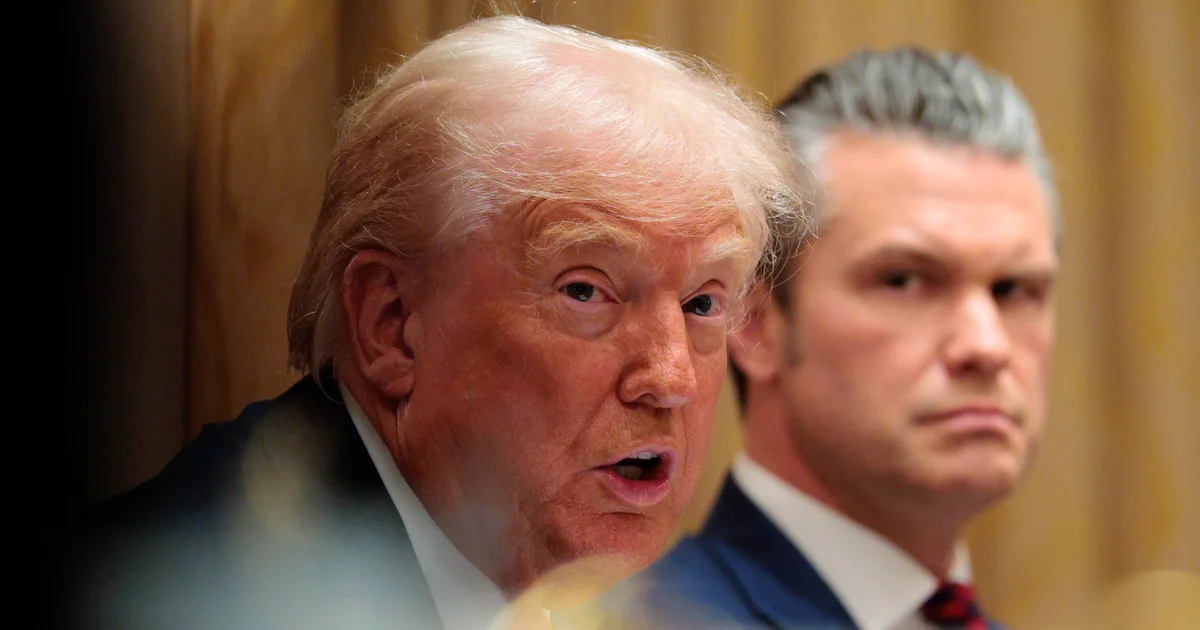

Recent developments surrounding U.S. military operations against suspected drug trafficking in the Caribbean have raised significant concerns and controversy. President Trump has expressed support for the strikes on alleged Venezuelan drug boats, emphasizing the urgency of combating drug smuggling, which he claims has had devastating effects on the U.S. populace. Amid scrutiny of the military’s decision-making process, the Trump administration’s commitment to expanding these operations into land strikes in Venezuela has further stirred debate among lawmakers and the public.
| Article Subheadings |
|---|
| 1) The President’s Endorsement of Military Actions |
| 2) Scrutiny and Accountability in Military Operations |
| 3) Expanding the Scope of Military Strikes |
| 4) Legal and Ethical Implications of the Strikes |
| 5) Reactions from Lawmakers and the Public |
The President’s Endorsement of Military Actions
Following a series of military strikes targeting alleged drug boats linked to Venezuelan trafficking networks, President Trump has openly expressed his support for these operations. During a press event, he indicated strong backing for the military’s decision to “knock out the boats,” referring to vessels purportedly involved in smuggling drugs into the United States. Trump articulated the administration’s stance by emphasizing the high death toll from drugs in the U.S., stating, “I think you’re going to find that there’s a very receptive ear to doing exactly what they’re doing.” This commentary highlights his administration’s approach to addressing drug-related violence and trafficking.
Scrutiny and Accountability in Military Operations
The operations under scrutiny were intensified due to reports indicating that survivors may have been present during the strikes. Defense Secretary Pete Hegseth has faced questions regarding the legality and morality of continuing military actions when victims were still potentially alive. The president responded to inquiries about accountability, providing a clarification that while the second strike was controversial, it was executed under the commander’s discretion. “I support the decision to knock out the boats,” he asserted, showcasing his administration’s unwavering stance in support of aggressive military tactics against drug operations.
Expanding the Scope of Military Strikes
In addition to the recent naval strikes, President Trump has posed the possibility of initiating land operations in Venezuela. “Very soon, we’re going to start doing it on land, too,” he asserted, suggesting that the land routes for drug trafficking are well known to U.S. officials. This further escalation suggests an intention to broaden the military’s operational framework beyond maritime interventions, significantly intensifying U.S. involvement in the region. The administration has indicated preparedness to address drug trafficking more comprehensively by targeting land infrastructures and operatives, effectively expanding the parameters of anti-drug operations.
Legal and Ethical Implications of the Strikes
The military operations against drug boats have not only raised tactical questions but also sparked extensive legal and ethical discussions. Critics, including some Democratic lawmakers, argue that these actions lack clear legal authority and fall short of providing adequate evidence justifying military strikes on foreign vessels. The administration has classified its conflict with drug cartels as a “non-international armed conflict,” framing the groups as terrorist organizations to legitimize military actions. Nevertheless, this claim has been contested, with concerns about the implications of such military engagement without Congressional approval.
Reactions from Lawmakers and the Public
The reactions to the military actions have been polarized, with various lawmakers weighing in on the implications of ever-expanding military operations. While some officials have praised the crackdown on drug trafficking, others have voiced alarm regarding the executive branch’s unilateral approach to military action. Concerns include potential violations of international law and the risk of further entanglement in foreign conflicts. The discourse surrounding these military initiatives reflects a broader conversation about the U.S. government’s role in international drug enforcement as well as the moral ramifications of military strikes that may result in civilian casualties.
| No. | Key Points |
|---|---|
| 1 | President Trump supports military strikes on Venezuelan drug boats, emphasizing the impact of drug trafficking on American lives. |
| 2 | Defense Secretary Pete Hegseth faces scrutiny regarding accountability and legality following strikes potentially involving survivors. |
| 3 | Plans to extend military operations to land strikes in Venezuela highlight the administration’s commitment to aggressive anti-drug measures. |
| 4 | Legal and ethical questions arise about the legitimacy of military actions without Congressional approval and the potential for civilian casualties. |
| 5 | Reactions from lawmakers reveal division over the administration’s aggressive strategy against drug trafficking and its implications for U.S. foreign policy. |
Summary
The recent military strikes against alleged Venezuelan drug boats and plans for land operations signify a bold approach by the Trump administration in tackling drug trafficking. While maintaining a commitment to aggressive action, the legal and ethical ramifications of these strikes prompt ongoing debate within the political landscape. As operations continue to escalate, the consequences for both U.S. policy and international relations warrant vigilant scrutiny and discussion.
Frequently Asked Questions
Question: Why has the Trump administration targeted Venezuelan boats specifically?
The Trump administration has focused on Venezuelan boats due to allegations of their involvement in drug trafficking operations contributing to the opioid crisis in the United States. By targeting these vessels, the government seeks to disrupt smuggling routes and reduce the influx of illegal drugs.
Question: What are the implications of conducting military strikes without Congressional approval?
Conducting military strikes without Congressional approval raises concerns regarding the legality and accountability of such actions. Critics argue that this undermines the checks and balances intended in U.S. foreign policy and may lead to unintended consequences in international relations.
Question: How has public opinion shifted regarding military intervention in drug trafficking?
Public opinion on military intervention in drug trafficking has become increasingly polarized; some argue that aggressive measures are necessary to combat the crisis, while others express concern over civilian casualties and the ethical implications of such tactics. This division reflects broader debates about appropriate U.S. involvement in foreign governance and military engagement.
