

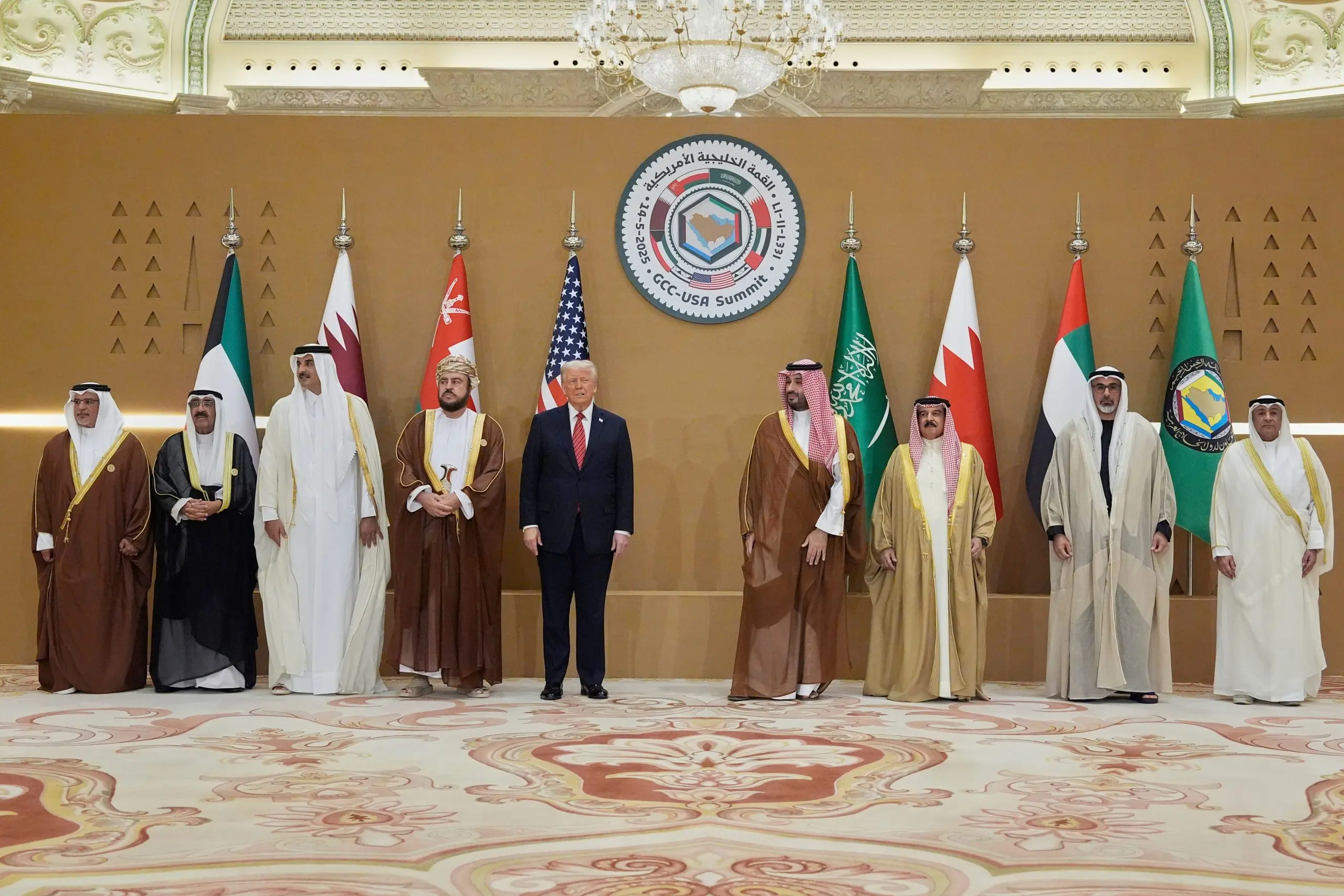

President Donald Trump recently concluded a significant trip to the Middle East, marking key agreements that promise to reshape economic ties between the U.S. and several Gulf nations. The deals, which encompass a vast array of sectors including energy and defense, signify a historic collaboration with allies such as Saudi Arabia, the United Arab Emirates (UAE), and Qatar. Critics have pointed to some controversial elements of the agreements, particularly with Qatar, underscoring the complex geopolitical dynamics involved.
| Article Subheadings |
|---|
| 1) Saudi Arabia’s Economic Investment |
| 2) Controversial Deals with Qatar |
| 3) Significant Agreements with the UAE |
| 4) Implications of the Agreements |
| 5) Future Prospects for U.S. Foreign Relations |
Saudi Arabia’s Economic Investment
During his visit to Saudi Arabia, President Trump engaged with Crown Prince Mohammed bin Salman to finalize multiple agreements amounting to approximately $600 billion. Key components of this partnership include initiatives in energy, defense, mining, and technology. The collaboration will see substantial investments from major tech firms like Google, Uber, Salesforce, and AMD, who have pledged $80 billion towards revolutionary technological development in both countries. This strategic investment aims not only to bolster economic collaboration but also to foster innovation and job growth across sectors.
In addition to technology initiatives, American companies are set to embark on significant projects in Saudi Arabia. These projects include the expansive King Salman International Airport, King Salman Park, The Vault, and the ambitious Qiddiya city project. According to government projections, these initiatives are expected to yield approximately $2 billion in service exports from the United States. The alignment between American firms and Saudi entities showcases the deepening of economic ties following previously established agreements.
Moreover, the partnership extends to governmental coordination, with various U.S. departments working closely with their Saudi counterparts. Notably, the U.S. Department of Energy will collaborate with Saudi energy ministries, marking a new chapter in bilateral energy cooperation. Trump also managed to secure regulatory advancements allowing the U.S. to facilitate cargo transportation between Saudi Arabia and other nations without the need to enter U.S. territory. This capability will enhance logistical operations and is considered vital for cargo hub functionality, positioning Saudi Arabia as a pivotal trade partner.
Controversial Deals with Qatar
President Trump’s dealings with Qatar, however, sparked intense debate and scrutiny. Critics from both parties expressed concern over a contentious agreement involving Qatar’s provision of a jumbo jet intended for use as Air Force One. Lawmakers, including Senators Ted Cruz and Bernie Sanders, found themselves united in opposition, albeit for different reasons. Sanders questioned the legality of accepting the aircraft, while Cruz highlighted security vulnerabilities posed by Qatar, citing the country’s alleged support for groups like Hamas.
The tension surrounding these agreements emphasizes the polarized sentiments regarding U.S. relations with Qatar. Senators such as Rick Scott and John Kennedy echoed similar sentiments, exemplifying a lack of trust toward Doha’s intentions. Senator Scott stated, “Qatar is not, in my opinion, a great ally. They support Hamas, so, what I’m worried about is the safety of the president,” reinforcing concerns surrounding the complexities of foreign alliances.
Despite the controversies, the deals made during Trump’s trip are set to facilitate agreements worth $1.2 trillion, including extensive economic provisions valued at $243.5 billion. These deals include the confirmed procurement of American-made aircraft by Qatar Airways and an emphasis on enhancing U.S. defense presence in the region. The partnership aims to solidify military cooperation, with agreements to provide advanced military equipment from leading American defense contractors. The widening scope of these agreements illustrates the evolving dynamics of U.S.-Qatar relations, underscoring their strategic significance amidst the ongoing geopolitical tensions.
Significant Agreements with the UAE
The final leg of Trump’s trip took place in the UAE, where he culminated $200 billion in commercial agreements. A notable highlight was a significant $14.5 billion commitment by Etihad Airways to procure 28 American-manufactured aircraft. Additionally, the UAE-based Emirates Global Aluminum has announced a $4 billion investment in an aluminum smelter project in Oklahoma, marking one of the first newly built smelters in the U.S. in over four decades. This groundbreaking initiative is poised to stimulate economic growth and job creation in both nations.
Furthermore, agreements reached during Trump’s visit also covered a range of energy initiatives. The Abu Dhabi National Oil Company is slated to collaborate with prominent American firms including ExxonMobil and Occidental Petroleum to advance oil and natural gas production. The White House indicated that the partnership is expected to reduce energy costs significantly and generate numerous skilled job opportunities within both countries. This collaborative approach to energy production is essential for bolstering economic resilience and securing energy security for both nations.
The deals facilitated during Trump’s visit are of strategic importance; they not only reinforce prior commitments made by the UAE in March regarding a 10-year, $1.4 trillion investment framework in the U.S. but also signal a broader intent to diversify economic engagements beyond traditional sectors. The agreements encompass multiple industries, particularly focusing on energy and artificial intelligence, reinforcing the multifaceted aspects of U.S.-UAE relations.
Implications of the Agreements
The implications of these agreements extend beyond immediate economic benefits; they serve to reshape geopolitical alignments in the region. By securing substantial investments from key Gulf nations, the U.S. is not only enhancing its economic foothold but also fortifying its strategic alliances in a region characterized by longstanding tensions and complexities. The engagement with major players like Saudi Arabia, Qatar, and the UAE underscores a calculated diplomatic approach that emphasizes economic partnership as a means to strengthen political ties and promote stability.
Moreover, the initiatives from American companies, aimed at investing heavily in infrastructure and technology within these countries, are poised to drive innovation while generating reciprocal benefits for the U.S. economy. As these nations invest in American products and services, the resultant economic influx is expected to stimulate job creation and bolster domestic industries. This interconnectedness brings forth a unique opportunity for the United States to demonstrate leadership and foster collaborative growth in a multi-polar world.
However, the contrasting viewpoints surrounding specific deals, particularly those involving Qatar, reveal an ongoing challenge in balancing economic interests with national security concerns. Future administrations will need to address these complexities while navigating the geopolitical landscape that includes a range of stakeholders with diverging interests.
Future Prospects for U.S. Foreign Relations
Looking forward, the agreements concluded during President Trump’s Middle East journey potentially set the stage for an evolved paradigm in U.S. foreign relations. By fostering closer ties with key Gulf nations, the administration aims to bolster alliance frameworks that transcend traditional military engagements. The emphasis on economic collaboration can serve as a foundation for lasting partnerships, creating opportunities for mutual growth and stability.
Moving ahead, the United States will need to continuously assess the evolving political landscape within the Gulf region while ensuring that national security is not compromised. The intricate web of ties fostered through these agreements showcases a nuanced approach to foreign policy—one that recognizes the growing importance of economic interdependence as a driver of political cooperation.
In conclusion, while the agreements made during this trip may serve immediate economic goals, they will require ongoing diplomatic engagement to fully realize their potential benefits. The ability of future administrations to navigate these challenges will significantly shape the trajectory of U.S. foreign policy in the region.
| No. | Key Points |
|---|---|
| 1 | Trump’s agreements with Saudi Arabia total approximately $600 billion, enhancing economic ties. |
| 2 | Controversial deals with Qatar have raised national security concerns among U.S. lawmakers. |
| 3 | The UAE committed $200 billion to commercial deals, with significant investments in American manufacturing. |
| 4 | The agreements focus on energy production, technology, and infrastructure development. |
| 5 | The diplomacy reflects a growing trend in U.S. foreign policy toward economic collaboration rather than military engagement. |
Summary
President Trump’s recent diplomatic efforts in the Middle East have yielded significant agreements with Gulf nations, marking a pivotal moment in U.S. foreign relations. These partnerships are not only about immediate economic benefits but also about creating a framework for long-term collaboration that can adapt to the region’s evolving political landscape. As the U.S. continues to forge economic ties, the ability to balance national security interests will remain paramount for achieving stability and fostering prosperous relations with its allies.
Frequently Asked Questions
Question: What are the key areas of investment from Gulf nations into the U.S.?
The investments cover a range of sectors including energy, technology, defense, and infrastructure development.
Question: Why have some agreements with Qatar raised concerns?
Critics cite national security issues, particularly regarding Qatar’s historical ties to certain groups and the implications of accepting government-provided aircraft.
Question: How might these agreements affect U.S. job growth?
The partnerships are expected to generate thousands of jobs as American companies embark on major projects and benefit from increased exports.
