

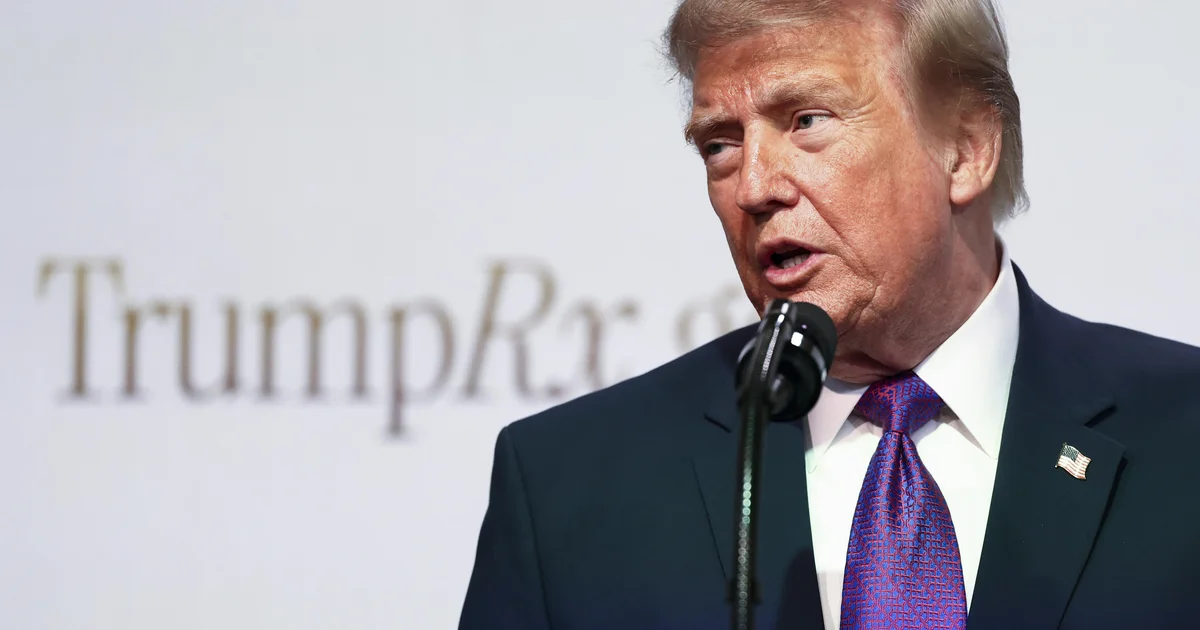

In a significant move aimed at reducing prescription drug costs for Americans, the Trump administration announced on Monday that it has secured agreements with nine additional pharmaceutical companies to provide discounted medications to state Medicaid programs. The administration claims that these agreements are projected to save American taxpayers over $600 billion in a relatively short timeframe. The new arrangements are part of the “most-favored-nation” drug pricing policy, which seeks to align U.S. drug prices with those in other developed countries.
| Article Subheadings |
|---|
| 1) Overview of the New Agreements |
| 2) The Scope of Drug Pricing Policy |
| 3) Pharmaceutical Companies Involved |
| 4) Expected Financial Impact |
| 5) Commitment to Manufacturing Investments |
Overview of the New Agreements
On Monday, President Donald Trump announced that his administration has successfully signed agreements with nine pharmaceutical companies aimed at supplying discounted drugs to state Medicaid programs. This development is a continuation of the administration’s ongoing efforts to reform drug pricing in the United States. During an announcement at the Oval Office, President Trump stated that these new agreements will collectively save Americans over $600 billion, which the administration hopes will enhance healthcare affordability for the average citizen.
The Scope of Drug Pricing Policy
This initiative is part of the larger “most-favored-nation” drug pricing policy. This policy aims to ensure that the prices Americans pay for medications are competitive with those in other developed nations. Through this program, the administration is not only focusing on lowering prices but also on directly connecting consumers with affordable drug options via a dedicated website, TrumpRx, which was launched earlier in the year. On this platform, Americans can access a variety of name-brand medications at discounted rates, reflecting a new approach to pharmaceutical pricing that seeks to bring more transparency and affordability to the healthcare market.
Pharmaceutical Companies Involved
As part of this new initiative, the White House revealed that nine midsize pharmaceutical firms have agreed to participate and commit to reducing their drug prices. The companies listed include Alcon, Astellas Pharma, BeOne Medicines, BridgeBio, CSL, Kyowa Kirin, Sun Pharma, Teva Pharmaceuticals, and UCB. This marks a significant expansion from previous months, as 17 other pharmaceutical companies have also committed to the program’s objectives over the last year. Collectively, these agreements now encompass 26 companies, which together represent approximately 90% of the domestic pharmaceutical market. The administration is optimistic that more companies will follow suit in reducing drug prices to enhance access for Medicaid recipients.
Expected Financial Impact
According to the statements made by President Trump, the agreements with the new pharmaceutical firms will substantially impact Medicaid programs across the United States, leading to billions of dollars in savings. The implication is that these financial benefits will not only affect the Medicaid programs but also resonate throughout the healthcare system, creating broader economic advantages by reducing out-of-pocket healthcare expenses for millions of Americans. Furthermore, higher access to discounted medications could lead to improved health outcomes, ultimately benefiting taxpayers and public health.
Commitment to Manufacturing Investments
In tandem with the commitment to discounted drugs, the involvement of these new firms also includes a pledge of $19.6 billion dedicated to strengthening their manufacturing capabilities. This significant investment highlights the administration’s efforts to boost production and availability of crucial medications within the United States. By fostering a robust manufacturing sector, the hope is to ensure that affordable drugs are not only available but also sustainably produced domestically, thus enhancing the nation’s pharmaceutical supply chain resilience.
| No. | Key Points |
|---|---|
| 1 | The Trump administration has signed agreements with nine pharmaceutical firms for discounted drugs. |
| 2 | The agreements are expected to yield over $600 billion in savings for Americans. |
| 3 | The “most-favored-nation” policy aims to align U.S. drug prices with those in other developed nations. |
| 4 | A total of 26 pharmaceutical companies now participate in the initiative, covering 90% of the market. |
| 5 | The new firms have committed nearly $20 billion to improve domestic drug manufacturing. |
Summary
The recent agreements between the Trump administration and the nine pharmaceutical firms signify a pivotal step toward reducing prescription drug prices in the U.S., with the potential for substantial fiscal savings for taxpayers. By integrating these efforts into state Medicaid programs under the “most-favored-nation” policy, the administration aims to create a fairer pricing environment for medications. The commitment from pharmaceutical companies not only addresses immediate financial needs but also promotes domestic manufacturing, significantly enhancing the United States’ ability to provide affordable healthcare options to its citizens.
Frequently Asked Questions
Question: What is the “most-favored-nation” policy regarding drug pricing?
The “most-favored-nation” policy ensures that U.S. drug prices are aligned with the lowest prices available in other developed countries, aiming to make medications more affordable for American consumers.
Question: How many companies are now involved in this drug pricing initiative?
A total of 26 pharmaceutical companies have agreed to participate in the drug pricing initiative, which covers approximately 90% of the domestic pharmaceutical market.
Question: What financial commitment are the pharmaceutical companies making?
The newly involved companies have committed to investing $19.6 billion in domestic manufacturing, which is expected to strengthen the supply of medications and improve access for consumers.
