

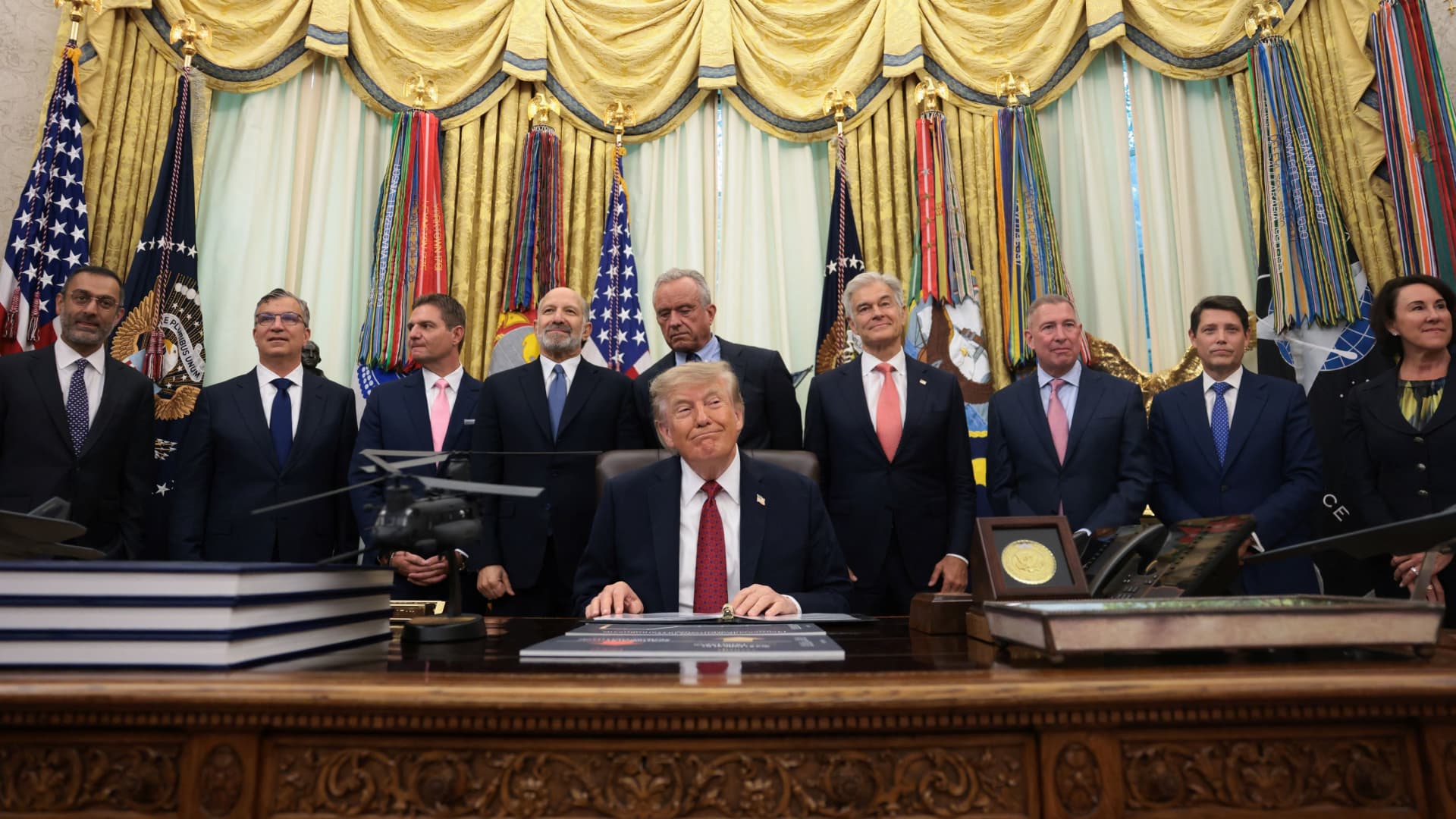

In a significant move aimed at addressing the high cost of prescription drugs in the United States, President Donald Trump announced on Monday that nine pharmaceutical companies have agreed to new pricing deals. This initiative aligns the costs of medications sold in the U.S. with those offered in other countries, potentially benefiting Medicaid programs across the states. The agreements, which are part of a broader strategy to lower drug prices and enhance domestic manufacturing, represent a substantial commitment from the pharmaceutical industry to reduce prices on crucial medications and ensure a more reliable domestic supply chain.
| Article Subheadings |
|---|
| 1) Overview of the New Drug Pricing Deals |
| 2) The Impact on Medicaid and U.S. Patients |
| 3) Broader Implications for Pharmaceutical Companies |
| 4) Reactions from the Pharmaceutical Industry |
| 5) Future Outlook for U.S. Drug Pricing |
Overview of the New Drug Pricing Deals
President Donald Trump announced the new pharmaceutical pricing agreements on Monday, marking a continuing effort to reduce drug costs in the U.S. The companies participating in the agreements include Alcon, Astellas Pharma, BeOne Medicines, BridgeBio, CSL, Kyowa Kirin, Sun Pharma, Teva Pharmaceuticals, and UCB. These deals stipulate that these firms voluntarily reduce their drug prices to match those available in foreign markets, primarily benefiting Medicaid patients.
The key component of these agreements lies in their collective commitment to provide discounted outpatient drugs to every state Medicaid program. Medicaid is a critical resource for many low-income individuals across the nation, and these discounts could mean significant savings for the federal and state governments needing to finance these healthcare services.
This initiative is part of President Trump’s broader strategy to curtail the costs of prescription drugs, which are notably higher in the U.S. compared to other parts of the world. The administration previously initiated similar deals, totaling a reported 26 drug pricing agreements from various companies, which together account for approximately 90% of the domestic pharmaceutical market.
The Impact on Medicaid and U.S. Patients
The immediate beneficiaries of the new drug pricing agreements are patients enrolled in state Medicaid programs. Through these negotiations, medications for chronic and rare diseases—such as hemophilia, liver disease, skin conditions, and certain forms of cancer—will become more affordable. President Trump emphasized that these measures aim to align U.S. drug prices more closely with international standards, potentially leading to reduced out-of-pocket costs for patients.
By offering rebates and discounts, the participating drugmakers can help ensure that patients have access to life-saving medications without the financial burdens that often accompany high-cost treatments. Moreover, some companies, including Astellas and Teva, agreed to contribute to a federal reserve of active pharmaceutical ingredients, which, according to federal officials, will aid in domestic production and enhance emergency preparedness.
This proactive approach by the Trump administration seeks to lessen the financial strain on low-income Americans, enhancing access to essential medications. As the cost of medications continues to rise, the tangible changes brought about by these agreements highlight a significant shift in public healthcare policy aimed at affordability and access.
Broader Implications for Pharmaceutical Companies
The agreements signed represent a shift in commercial strategies for pharmaceutical companies, compelling them to revamp manufacturing and distribution processes. Under these new parameters, drugmakers are incentivized to invest in U.S. production capacities to avoid tariffs and also to safeguard against future pricing pressures. Companies are committing to expand their direct-to-consumer distribution channels, such as making medications available through the TrumpRx portal, a move aimed at increasing transparency and accessibility.
Despite the potential benefits for patients, the implications for pharmaceutical companies are complex. Many organizations may experience decreased revenue in the short term due to lower pricing structures, leading to challenges in covering operational costs. An analysis by Rand Corporation indicated that U.S. prescription drug prices are nearly three times higher than those in foreign markets and that the new pricing structures will require companies to strategize effectively in order to maintain profitability.
These agreements also reflect the ongoing conversation about the role of pharmacy benefit managers, who, according to the trade association PhRMA, complicate the pricing landscape for patients and drugmakers alike. The pharmaceutical industry has expressed caution regarding the effectiveness of these “most favored nation” pricing deals, prompting debate on whether this is a sustainable solution for the overall cost of prescription medications.
Reactions from the Pharmaceutical Industry
Reactions to these agreements from within the pharmaceutical industry have been mixed. While some companies have publicly supported the initiative, highlighting the urgent need for manageable drug costs, others have raised concerns that price controls may stifle innovation and reduce the incentive to develop new medications.
The trade association PhRMA has been outspoken in arguing that while lowering drug prices is an important goal, the approach taken by the Trump administration might not be the most effective. They have suggested that a better course of action would be addressing systemic issues caused by pharmacy benefit managers rather than enforcing pricing agreements that could disrupt funding for new drug research and development.
Furthermore, major pharmaceutical companies, even those based in Europe, recognize the importance of the U.S. market to their overall success. Notably, half of the ten largest pharmaceutical companies in Europe generate a majority of their sales from the U.S., making the strategies adopted by the Trump administration especially significant to their operations.
Future Outlook for U.S. Drug Pricing
Looking ahead, the future of drug pricing in the U.S. remains uncertain. As the midterm elections approach, healthcare affordability is likely to remain a central issue for voters. The Trump administration’s concerted efforts to enhance medication access could serve as a pivotal talking point in political campaigns.
However, the pharmaceutical industry’s ability to adapt to these new pricing models will play a crucial role in shaping the broader ecosystem of healthcare in the United States. The focus on aligning drug prices with international standards may lead to innovative pricing strategies and quality improvements in manufacturing processes.
As the administration continues to negotiate with pharmaceutical companies, the long-term impact on medication prices, healthcare accessibility, and innovation will be closely monitored by industry analysts and policymakers alike. Ultimately, how both the administration and pharmaceutical companies respond to these challenges will define the trajectory of U.S. drug pricing for years to come.
| No. | Key Points |
|---|---|
| 1 | President Trump announced new drug pricing agreements involving nine pharmaceutical companies aimed at aligning U.S. drug prices with international standards. |
| 2 | The pricing deals will benefit Medicaid patients by reducing costs for medications used to treat chronic and rare diseases. |
| 3 | Pharmaceutical companies are required to invest in U.S. manufacturing capabilities, indicating a shift towards domestic production. |
| 4 | Reactions from the pharmacy industry are mixed, with some supporting the agreements while others caution against potential negative impacts on innovation. |
| 5 | Future U.S. drug pricing strategies are closely tied to the upcoming midterm elections and the administration’s effectiveness in negotiating fair pricing. |
Summary
President Trump’s announcement of new pharmaceutical pricing agreements represents a notable shift in how drug prices may be structured in the United States. By linking U.S. drug prices with those in other countries and committing to domestic manufacturing, the administration aims to improve affordability and access for Medicaid patients. While the reactions among pharmaceutical companies indicate a complex response to these changes, the overall effectiveness and long-term implications of these agreements will be critical as the U.S. grapples with the issue of healthcare costs.
Frequently Asked Questions
Question: What is the main objective of the new drug pricing agreements?
The primary goal is to align U.S. drug prices with those in other countries, thereby reducing costs for patients, especially those enrolled in Medicaid programs.
Question: Which companies are involved in the drug pricing agreements?
The agreements include major pharmaceutical firms such as Alcon, Astellas Pharma, Teva Pharmaceuticals, Sun Pharma, and UCB among others.
Question: How will these agreements impact pharmaceutical manufacturing?
The agreements require companies to invest in U.S. manufacturing, enhancing domestic production capabilities and reducing reliance on foreign supply chains.
