

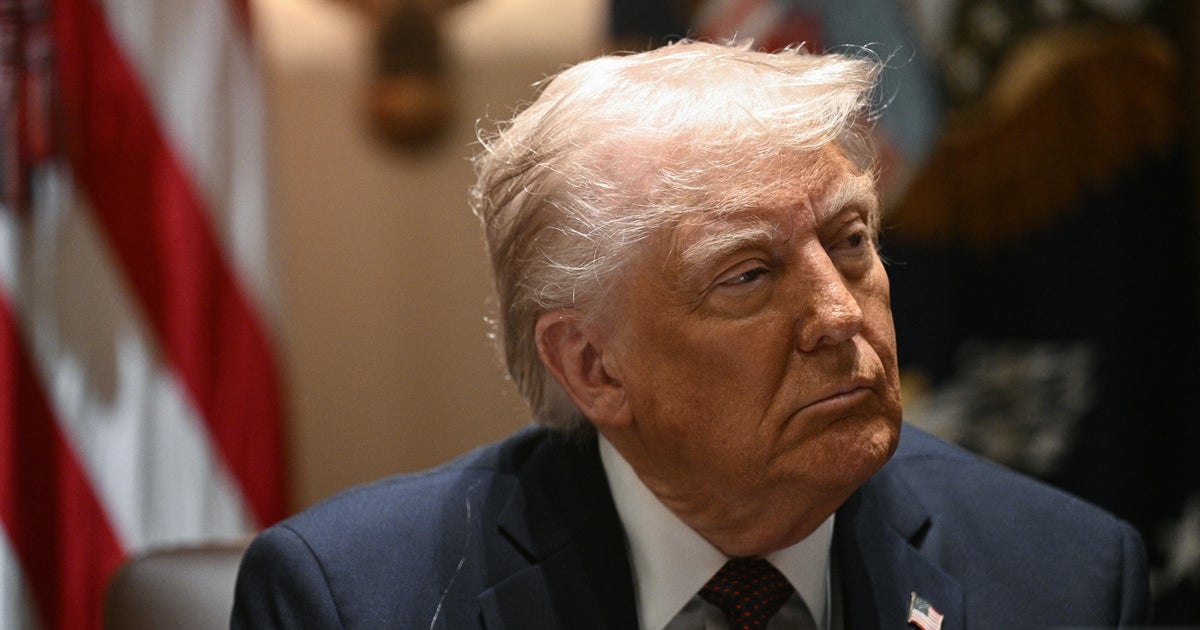

The invocation of the Alien Enemies Act of 1798 by President Trump has ignited a significant legal controversy concerning the deportation of Venezuelan migrants linked to the Tren de Aragua gang. A federal judge blocked the use of this historic law, a decision affirmed by an appeals court, while the White House plans to escalate the matter to the Supreme Court. Concurrently, over 200 Venezuelans were flown to El Salvador for detention, some under the contentious law and others through standard deportation processes.
| Article Subheadings |
|---|
| 1) Overview of the Alien Enemies Act |
| 2) The Trump Administration’s Use of the Law |
| 3) Historical Applications of the Alien Enemies Act |
| 4) Current Legal Battle and Implications |
| 5) Broader Impact on Immigration Policy |
Overview of the Alien Enemies Act
The Alien Enemies Act serves as one of the pivotal components of the Alien and Sedition Acts, passed in 1798 amid rising tensions between the United States and France. Enacted during President John Adams’s administration, the Act permits the president to detain or deport individuals from nations the U.S. is at war with or those involved in an “invasion or predatory incursion.” This law reflects the anxieties of its time, particularly concerning national security amidst the threat of foreign conflict.
The Alien Enemies Act is not time-limited, which is a crucial aspect; unlike other laws enacted during the same period that expired or were repealed, its skeleton remains intact to this day. Understanding its implications is vital as it raises numerous questions regarding civil liberties, especially related to due process for non-citizens. The broader repercussions of its potential enforcement involve both deportations and the overarching power dynamics between the government and its citizenry, especially in times of heightened national security concerns.
The Trump Administration’s Use of the Law
On March 15, President Trump invoked the Alien Enemies Act in a declaration that specifically targeted members of the Tren de Aragua gang, a Venezuelan criminal faction accused of orchestrating violence and criminal activity. In his proclamation, he argued that their actions amounted to a “predatory incursion” against the United States. The administration’s stance is rooted in the belief that the gang poses an imminent threat, aligning with the legal provisions of the Act to justify detention and deportation measures.
Critics, including Chief Judge James Boasberg of the D.C. District Court, have contested this interpretation, asserting that a gang does not constitute a “foreign nation or government,” and therefore, the application of the law is overreaching. Furthermore, Judge Boasberg’s temporary restraining order has blocked deportations under the Alien Enemies Act, suggesting a legal avenue for those opposing this administration’s aggressive stance on immigration enforcement. The case has significant implications for the judicial system’s role in reviewing executive actions during national security emergencies.
Historical Applications of the Alien Enemies Act
The Alien Enemies Act’s historical application can be traced through three significant periods: the War of 1812, World War I, and World War II. During the War of 1812, the U.S. government mandated that British nationals report personal information as a precaution. Similarly, during World War I, the law was invoked to suppress the activities of individuals from Germany and its allies, leading to the internment of thousands of German nationals.
The most infamous usage occurred during World War II when President Franklin D. Roosevelt deployed the Act to detain Japanese Americans and citizens from Axis powers after the attack on Pearl Harbor. This period saw the internment of over 100,000 Japanese Americans in camps across the nation. The government later issued public apologies for this egregious action, marking a dark chapter in American history. These historical precedents raise critical discussions about the application of the Alien Enemies Act and underscore the fine line between national security and civil liberties.
Current Legal Battle and Implications
The recent legal struggle surrounding the Alien Enemies Act signifies more than just a case of immigration policy; it highlights the intricate balance between government authority and individual rights. As a federal judge intervenes, the administration faces not just legal hurdles but also public scrutiny reflecting broader societal views on immigration practices and human rights. The ruling that temporarily blocks the deportation of Venezuelans indicates a potential shift in how such an archaic law can be interpreted in a modern context.
The White House plans to escalate the matter to the Supreme Court, wherein further clarifications regarding the scope of presidential authority during national emergencies and the rights of non-citizens may unfold. As this case advances, it will be critical to monitor its implications not only on Venezuelans but also on the treatment of migrants categorized under suspicious circumstances, which can set legal precedents for future administrations.
Broader Impact on Immigration Policy
This unfolding situation is indicative of challenges in U.S. immigration policy, as the potential for deporting those deemed threats persists amidst calls for reform. Advocates for immigrants argue that the harsh applications of the Alien Enemies Act may undermine principles of asylum and due process. They contend that targeted deportations can create a chilling effect on immigrant communities, potentially deterring individuals seeking refuge from violence and persecution.
Moreover, increasing reliance on historical laws for contemporary enforcement raises alarms about the potential erosion of rights in the face of national security crises. Calls for legislative measures to repeal or amend the Alien Enemies Act, spearheaded by lawmakers such as Rep. Ilhan Omar and Sen. Mazie Hirono, emphasize the urgent need for comprehensive immigration reform that accounts for civil liberties while addressing genuine security concerns.
| No. | Key Points |
|---|---|
| 1 | President Trump invoked the Alien Enemies Act to deport Venezuelan migrants linked to Tren de Aragua. |
| 2 | A federal judge temporarily blocked the use of the Act, questioning its legality in this context. |
| 3 | The law has been applied historically in wars, raising concerns about civil liberties and due process. |
| 4 | Legal challenges may influence future immigration policies and presidential authority. |
| 5 | Proposals to repeal the Alien Enemies Act highlight the demand for updated immigration policy reform. |
Summary
The recent legal disputes surrounding the usage of the Alien Enemies Act by the Trump administration serve as a focal point for discussions about immigration policy, executive power, and civil liberties. As courts decide on the legality of such actions, the broader implications for thousands of individuals and the potential evolution of immigration law continue to unfold. With legislative efforts to repeal outdated laws underway, the intersection of national security and human rights remains a critical topic in today’s political landscape.
Frequently Asked Questions
Question: What is the Alien Enemies Act?
The Alien Enemies Act is a law enacted in 1798 that allows the president to detain and deport citizens of countries the U.S. is at war with or those involved in acts of aggression against the nation.
Question: Why has President Trump invoked the Alien Enemies Act?
President Trump invoked the Act to address perceived threats from the Tren de Aragua gang, claiming they pose an “invasion or predatory incursion” against the United States.
Question: What are the historical precedents for the Alien Enemies Act?
The Act has been applied during the War of 1812, WWI, and WWII, often leading to the internment and deportation of enemy nationals during times of conflict.
