

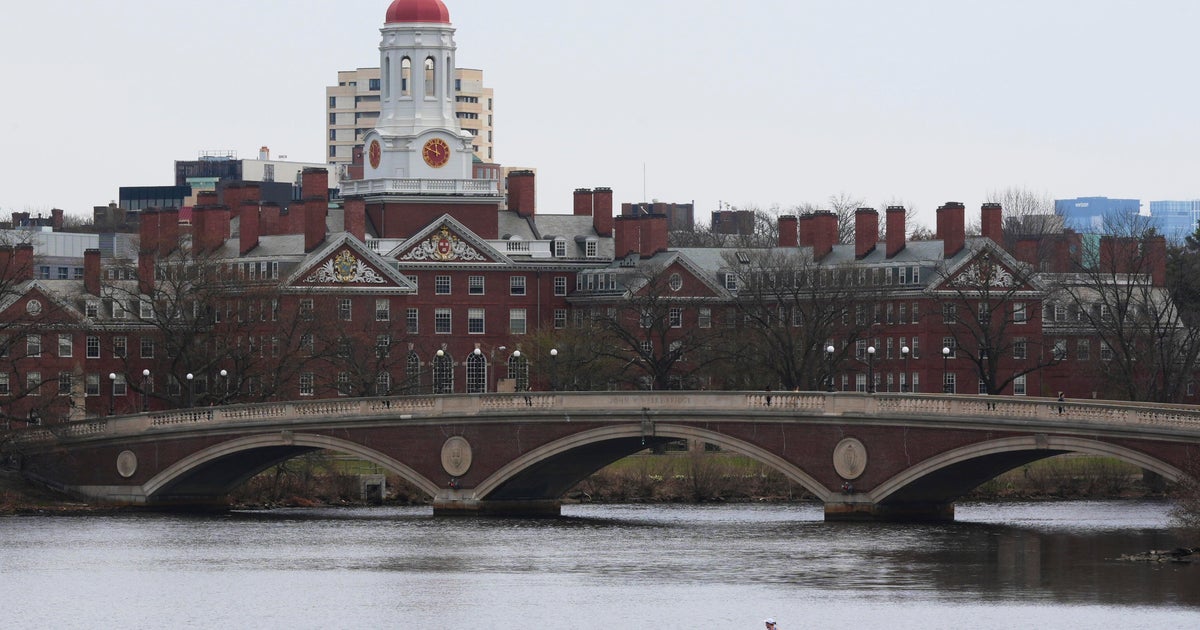

The U.S. State Department has mandated heightened vetting procedures for all visa applicants intending to visit Harvard University, including students, faculty, and visitors. This directive, communicated via an internal email, establishes a new framework for rigorous scrutiny of applicants, aimed at assessing their online presence and credibility. As part of a broader effort linked to recent concerns regarding campus safety and antisemitism, these protocols may extend to other institutions in the future.
| Article Subheadings |
|---|
| 1) New Vetting Protocol Implemented |
| 2) Reasons Behind Expanded Screening |
| 3) Challenges in Implementation |
| 4) National and International Impact |
| 5) Official Responses and Future Outlook |
New Vetting Protocol Implemented
On May 29, an email originating from the office of Secretary of State Marco Rubio was sent to all U.S. embassies and consulates, outlining an enhanced vetting procedure for visa applicants traveling to Harvard University. The directive encompasses various categories of applicants, including prospective students, faculty members, contractors, guest speakers, and even tourists visiting the celebrated institution. This initiative forms a critical part of the U.S. government’s intensified scrutiny of foreign visitors to educational establishments, highlighting a shift in the administration’s approach toward international students and academic exchanges.
The newly mandated procedures stipulate that consular officers should “conduct a complete screening of the online presence” of any nonimmigrant visa applicant. This includes analyzing social media behavior, which may provide insights into potential risks associated with the individual. The expectation is that applicants must present a transparent online profile; otherwise, the absence of a digital footprint could lead to questions regarding their authenticity and reliability. Furthermore, applicants may be requested to alter their privacy settings to facilitate a thorough vetting process.
Reasons Behind Expanded Screening
The government’s decision to target Harvard University stems from a broader context of national security concerns, especially incidents related to violence and antisemitism on campus. The email referenced information from the Department of Homeland Security that suggested Harvard has not effectively maintained a campus environment free from such issues. Consequently, this additional scrutiny appears to be a precautionary measure seeking to mitigate risks associated with potential extremist activities.
Moreover, the current administration’s stance on combating antisemitism has led to a stricter approach in vetting foreign nationals. The Illinois-based school, being a prestigious institution, has attracted both academic excellence and intense scrutiny. Accusations from the government highlight that Harvard has not adequately addressed complaints concerning antisemitic occurrences on its grounds. This has accentuated the urgency behind implementing more rigorous vetting mechanisms, particularly as concerns regarding online radicalization and foreign influence continue to grow.
Challenges in Implementation
Despite the intentions behind the expanded vetting, challenges loom large regarding the uniform implementation of these procedures across U.S. consular posts worldwide. Sources familiar with the internal communication express concerns that maintaining a consistent application of this policy across various cultures and regions could prove difficult. The complexity of evaluating applicants in diverse social and political environments complicates the standardization of these increasingly stringent requirements.
Furthermore, there are apprehensions that this new vetting process may inflict delays on visa issuance, leaving many prospective students and visitors stranded in bureaucratic limbo. The freezing of new student visa appointments by the State Department underscores a significant logistical challenge. The balance between ensuring national security and promoting academic exchange is delicate, and there are fears that this initiative could deter international students from pursuing their education in the U.S.
National and International Impact
The implications of these new procedures extend beyond just Harvard University; they signal a potential precedent for how visa applications could be assessed. The measures could later be adapted for students seeking visas for other U.S. universities, reflecting a broader continuation of the U.S. government’s emphasis on national security through heightened scrutiny. This could establish a culture of mistrust towards international students across various educational institutions.
International students comprise a significant portion of the academic community in the U.S.; one in four students at Harvard is an international applicant. As this initiative unfolds, there are concerns that other premier universities may be forced to adapt similar policies, further changing the landscape of academic admissions. The ramifications could be detrimental to the U.S. educational system’s global standing, potentially leading to reduced enrollment from foreign students who typically contribute significantly to both education and research. These changes may alter the dynamics of collaboration between U.S. institutions and overseas partners.
Official Responses and Future Outlook
Official responses to this situation have varied, with spokespersons maintaining that the measures are necessary for protecting national interests. Following critiques regarding the impact of these policies on freedom and educational access, some officials have reiterated the importance of adopting an aggressive stance on vetting to ensure that those entering the country pose no threats.
As for the future of these vetting procedures, they are to be evaluated not only based on their effectiveness in addressing security concerns but also on their repercussions on the academic community and international relations. Officials have hinted that this Harvard-centric pilot may lead to a re-evaluation of student visa protocols at large. The intention is to maintain security while not undermining the open and collaborative spirit typically associated with U.S. academic institutions.
| No. | Key Points |
|---|---|
| 1 | The U.S. State Department has initiated enhanced vetting for all visa applicants to Harvard University. |
| 2 | The new protocols involve assessing applicants’ online presence and social media activity for credibility. |
| 3 | Concerns around violence and antisemitism on campus have fueled the government’s reasoning for the additional scrutiny. |
| 4 | Implementation challenges exist for consistent application across consulates and potential delays for applicants. |
| 5 | The outcome of these procedures may influence the admissions landscape for international students in U.S. institutions. |
Summary
The introduction of expanded vetting procedures by the U.S. State Department reflects a significant shift in policy that prioritizes security while raising substantial concerns about the implications for international students and academic collaboration. As these directives roll out, the U.S. may face challenges in balancing national interests against the essential benefits that international academic engagement brings to its higher education system.
Frequently Asked Questions
Question: What new procedures have been implemented for visa applicants to Harvard University?
New vetting procedures require visa applicants to provide comprehensive screenings of their online presence, including social media accounts, to assess credibility and potential risks.
Question: Why has Harvard been singled out for these additional vetting measures?
The government’s decision stems from concerns about antisemitic incidents and violence on campus, as well as a broader agenda regarding national security.
Question: What challenges might arise from these new vetting protocols?
Challenges include varying consistency in implementation across global consulates and potential delays in processing visa applications, which could deter international students from pursuing education in the U.S.
