


| Article Subheadings |
|---|
| 1) Temporary Ban on Animal Imports |
| 2) Threat of New World Screwworm |
| 3) Coordinated Response Between Countries |
| 4) Historical Context of Screwworm Infestation |
| 5) Economic Impacts and Future Steps |
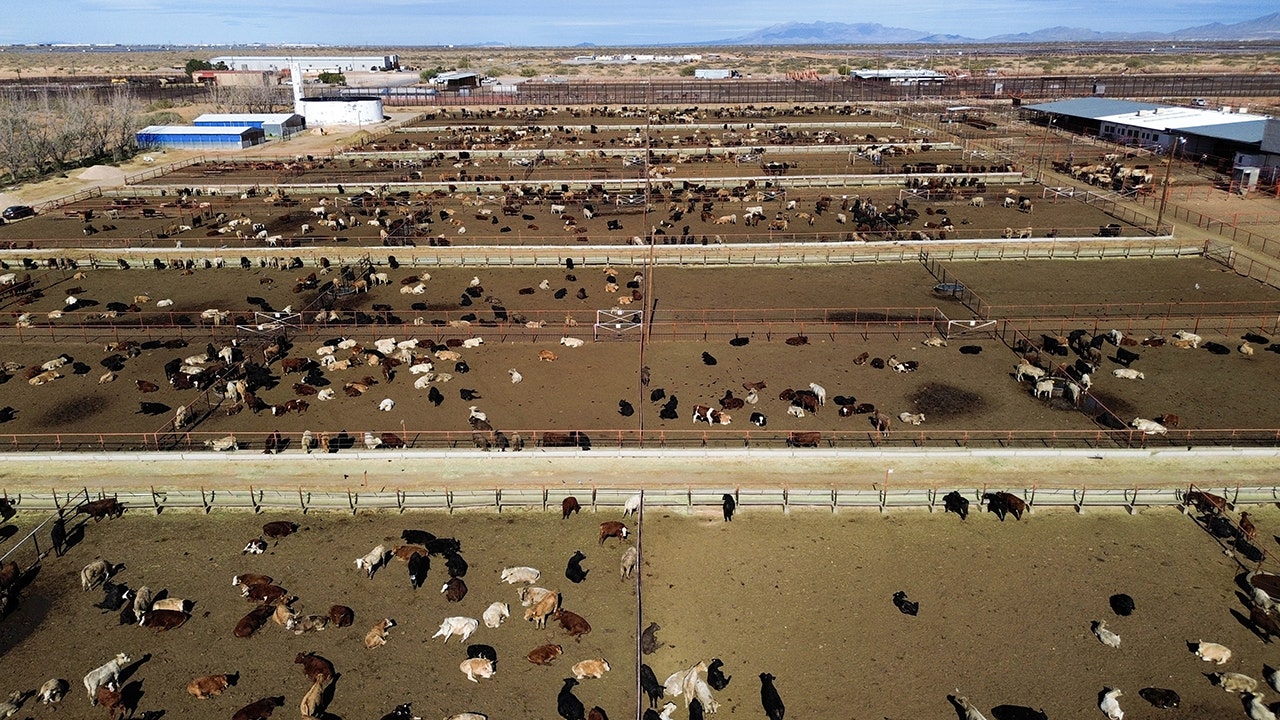
In a decisive move to protect the U.S. livestock industry, the administration has instituted a temporary ban on imports of live cattle, horses, and bison from Mexico due to the alarming spread of the New World Screwworm (NWS) parasite. The announcement was made by the U.S. Department of Agriculture (USDA), specifically by Secretary Brooke Rollins, through a social media post. This ban comes in light of the first reported case of NWS in Mexico last November, and officials are keen to prevent a recurrence of the extensive damage this pest caused in the past.
The USDA emphasized the urgency of the situation, noting that NWS infestations can seriously harm not only livestock but also other animals, including pets and wildlife. This coordinated effort is aimed at containment and eradication of the pest before it reaches more populated areas near the U.S. border.
With both the U.S. and Mexico taking proactive measures, this situation underscores the critical importance of food safety and animal health across borders. As the USDA works alongside Mexican authorities, the potential economic repercussions loom large, reflecting the significant stakes involved in livestock trade.
Temporary Ban on Animal Imports
In an effort to safeguard U.S. agriculture, the USDA has launched a ban on the import of live cattle, horses, and bison from southern border ports. Effective immediately, this suspension is aimed at preventing the introduction of New World Screwworm into U.S. livestock. In a statement, Secretary Rollins stressed, “Due to the threat of New World Screwworm, I am announcing the suspension of live cattle, horse, & bison imports through U.S. southern border ports of entry effective immediately.”
The USDA indicated that the decision is precautionary and will be reviewed on a month-to-month basis until there is sufficient containment. Currently detained livestock will continue to be processed, but they will undergo thorough inspections to ensure they are free from the pest.
“This cannot happen again,”
Rollins emphasized, referring to the historical devastation caused by the pest.
Threat of New World Screwworm
The New World Screwworm is a parasitic fly whose maggots can burrow into the flesh of living animals, leading to significant and often fatal health issues. The first reported case of NWS in Mexico was traced back to November 2024, with instances noted as far north as 700 miles from the U.S. border. This situation poses a grave threat not just to livestock but also to other species, including pets and occasionally humans.
The USDA raised alarming concerns as they analyzed the invasive pest’s impact on livestock health. Given that NWS laid dormant in the U.S. for decades after its elimination in the 1960s, officials have sound reason to remain vigilant. The damages from the last infestation took nearly 30 years for the cattle industry to rebound from and cost billions in eradication efforts.
Coordinated Response Between Countries
The U.S. and Mexican governments are executing a joint strategy to combat the NWS issue through a three-pronged approach. This includes robust field surveillance, educational outreach for prevention and early detection, and a system to control animal movements to limit the spread of the parasite. The cooperation highlights the importance of international collaboration for addressing agricultural crises.
Both governments are committed to increased surveillance efforts and fostering strong communication between the two nations. The USDA and Mexican authorities are optimistic that, with the implementation of stringent measures to contain and manage the pest’s spread, a resumption of livestock trade could soon follow, contingent upon successful surveillance outcomes. “The protection of our animals and safety of our nation’s food supply is a national security issue of the utmost importance,” said Secretary Rollins.
Historical Context of Screwworm Infestation
Historically, the U.S. faced significant challenges with the New World Screwworm. After its eradication in the 1960s, the parasite remained a concern in Mexico until it was eliminated there in the 1970s. During that earlier effort, millions were spent in government and private fund appropriations to combat the spread of this devastating pest across states and borders. The long-term ramifications of that eradication effort serve as a stark reminder of the potential cost of a new outbreak.
Despite past success, experts agree that vigilance is crucial. Strategies from initial infestations can inform modern approaches, emphasizing the necessity of rapid response capabilities and preventative measures. Insights gained during previous containment measures are now being utilized to formulate current strategies aimed at ensuring robust agricultural health.
Economic Impacts and Future Steps
The economic implications of the New World Screwworm are profound, especially for the livestock industry. The current suspension of imports will inevitably disrupt the supply chain, affecting both domestic prices and accessibility. Farmers and ranchers who rely on importing livestock from Mexico may face significant operational challenges and increased costs.
As the USDA and Mexican officials work together to track and contain the NWS threat, future steps will hinge on effective eradication and robust inspections. The returns of livestock imports will be closely monitored, and programs will adapt as necessary to ensure the threat remains at bay. Economic stability in the sector will depend significantly on international cooperation and the swift execution of established protocols.
| No. | Key Points |
|---|---|
| 1 | The USDA has imposed a temporary ban on importing live cattle, horses, and bison from Mexico. |
| 2 | The New World Screwworm poses a significant risk to livestock health and safety. |
| 3 | A coordinated response between U.S. and Mexican authorities is in place to combat the threat. |
| 4 | Historical eradication efforts for NWS cost billions and took decades to achieve. |
| 5 | Economic impacts of the ban could significantly affect livestock pricing and supply. |
Summary
The USDA’s temporary ban on animal imports is a proactive measure aimed at combatting the spread of New World Screwworm, a threat that could have serious consequences for the U.S. livestock industry. By working closely with Mexican authorities, officials are taking calculated steps to protect livestock and ensure food safety across borders. The lessons learned from past infestations underscore the importance of vigilance, collaboration, and rapid response to agricultural crises, emphasizing that animal health remains a national priority.
Frequently Asked Questions
Question: What is the New World Screwworm, and why is it a concern?
The New World Screwworm is a parasitic fly whose larvae infest the wounds of living animals, causing severe health issues and often leading to death. It poses a significant threat to livestock health, making its containment crucial.
Question: How have the U.S. and Mexico responded to the NWS threat?
Both countries have initiated a coordinated response that includes field surveillance, treatment measures, and public education to limit the spread of the nematode. They aim for effective containment and eradication.
Question: What is the historical context of New World Screwworm infestations?
NWS was eradicated in the U.S. in the 1960s and in Mexico in the 1970s. The efforts required extensive financial and organizational resources, highlighting the potential impact and costs associated with future infestations.
