

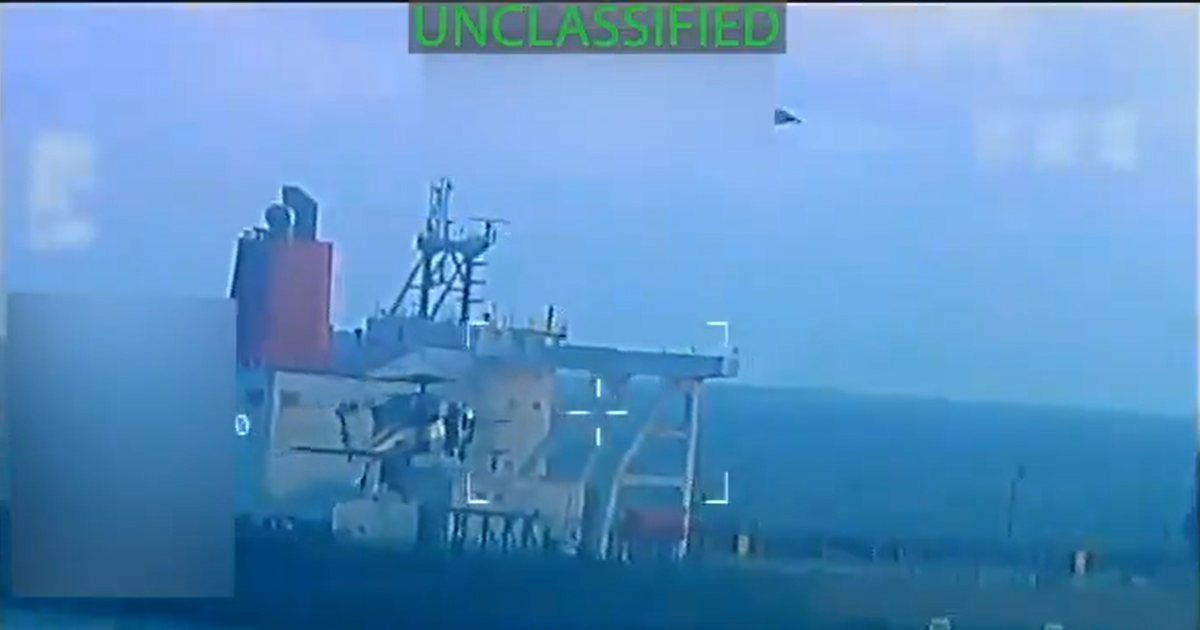

In a significant escalation of diplomatic tensions, the United States has seized a large oil tanker named The Skipper off the coast of Venezuela. Officials confirmed the operation took place on Wednesday, with President Trump stating the seizure was executed for vital reasons. The U.S. administration views this as part of an ongoing strategy to combat illicit oil shipping tied to sanctioned nations, particularly Iran, while the Venezuelan government has condemned the action as an act of piracy.
| Article Subheadings |
|---|
| 1) The Seizure Operation: Details and Execution |
| 2) U.S. Justification and Future Plans |
| 3) Venezuela’s Response and Accusations |
| 4) Background of The Skipper and Its Legal Issues |
| 5) Implications for U.S.-Venezuela Relations |
The Seizure Operation: Details and Execution
The operation to seize The Skipper commenced early Wednesday morning at approximately 6 a.m. Two helicopters were deployed, accompanied by 10 members of the Coast Guard, 10 Marines, and special operations forces. According to sources familiar with the situation, the tanker had just departed from a Venezuelan port when it was intercepted. The operation was spearheaded by the U.S. Coast Guard, supported by Navy forces, reflecting the U.S. commitment to uphold maritime law.
The helicopters used in the operation launched from the USS Gerald Ford, the most advanced aircraft carrier in the U.S. fleet, which had been stationed in the Caribbean as part of a broader military deployment in the region. This reflects a notable escalation of U.S. military presence just off the Venezuelan coast, marking a significant departure from previous strategies aimed at deterring illicit drug trafficking.
U.S. Justification and Future Plans
During a roundtable meeting, President Trump justified the seizure by expressing confidence in the operational mandate, stating, “We’ve just seized a tanker on the coast of Venezuela, a large tanker, very large.” Furthermore, he asserted that the U.S. would likely retain the oil from the ship, aligning this operation with a broader campaign against what the administration describes as foreign terrorism. The President hinted at the potential for further actions, emphasizing that this seizure is part of a strategy to curb illegal oil shipments affiliated with terrorist organizations.
The administration has signaled an interest in conducting more operations akin to Wednesday’s seizure, indicating that such strategies will continue as long as necessitated by national security concerns. This proactive approach aims to deter nations like Venezuela from engaging in oil shipping that violates U.S. sanctions, which are directed at preventing terrorism.
Venezuela’s Response and Accusations
In stark contrast to U.S. officials’ claims, the Venezuelan government has vehemently condemned the seizure as a “shameless robbery” and an act of “international piracy.” A statement from their officials declared that the true motivations behind U.S. actions were rooted in the desire to exploit Venezuela’s natural resources, rather than any purported reasons tied to human rights or drug trafficking.
The Venezuelan administration insists that foreign interventions have never been about the well-being of its citizens but rather focused on its oil wealth. This ongoing war of words reflects the larger geopolitical struggle between the U.S. and Venezuela, further fueling animosities and complicating diplomatic relations.
Background of The Skipper and Its Legal Issues
The Skipper is not a new player in the realm of contentious maritime operations; it was previously sanctioned by the U.S. Treasury Department in 2022 due to alleged links with Iran’s Islamic Revolutionary Guard Corps and other foreign militant groups. The tanker also operated under the name Adisa and has an extensive history of sailing under different names. This complex background illustrates the intricate web of international laws and sanctions at play regarding oil tankers in problematic regions.
Attorney General Pam Bondi highlighted that The Skipper had been involved in transporting sanctioned oil, reinforcing the U.S. case for the seizure. She shared video footage of the operation on social media and asserted that the seizure was executed by various federal investigative agencies, indicating a collective effort to enforce U.S. laws on foreign entities.
Implications for U.S.-Venezuela Relations
The seizure of The Skipper represents a critical turning point in U.S.-Venezuela relations. As tensions continue to escalate, the U.S. government’s actions may signal an impending shift in tactics, potentially extending military operations beyond maritime boundaries and into Venezuelan territory. President Trump’s comments regarding launching strikes on land highlight a new military calculus that could further complicate bilateral relations.
Experts caution that such aggressive posturing may not only provoke retaliatory actions from Venezuela but could also stimulate a broader regional crisis. The current geopolitical climate necessitates careful navigation to avoid any miscalculations that could lead to escalated hostilities.
| No. | Key Points |
|---|---|
| 1 | The U.S. has seized The Skipper, an oil tanker, off the coast of Venezuela. |
| 2 | The operation involved military forces, including the Coast Guard and special ops. |
| 3 | Venezuela has denounced the seizure as an act of piracy. |
| 4 | The tanker was previously sanctioned for its ties to Iran’s Islamic Revolutionary Guard Corps. |
| 5 | U.S. officials may consider more military actions against Venezuela in the future. |
Summary
The seizure of The Skipper marks a significant moment in U.S.-Venezuelan relations, suggesting that the United States is ramping up its military and economic pressure on the Venezuelan government. This move highlights the complex interplay of international law, national interest, and military strategy, raising questions about the potential for future confrontations in the region. As both governments navigate this delicate situation, the implications for regional stability remain a critical concern.
Frequently Asked Questions
Question: Why did the U.S. seize The Skipper?
The U.S. seized The Skipper due to its alleged involvement in transporting sanctioned oil, particularly linked to Iran’s Islamic Revolutionary Guard Corps.
Question: What was President Trump’s comment on the seizure?
President Trump stated that the tanker was seized for a “very good reason” and hinted that the U.S. would likely keep the oil onboard.
Question: How has Venezuela responded to the tanker seizure?
Venezuela has denounced the action as an act of piracy, claiming that the true motivation is to exploit the country’s natural resources.
