

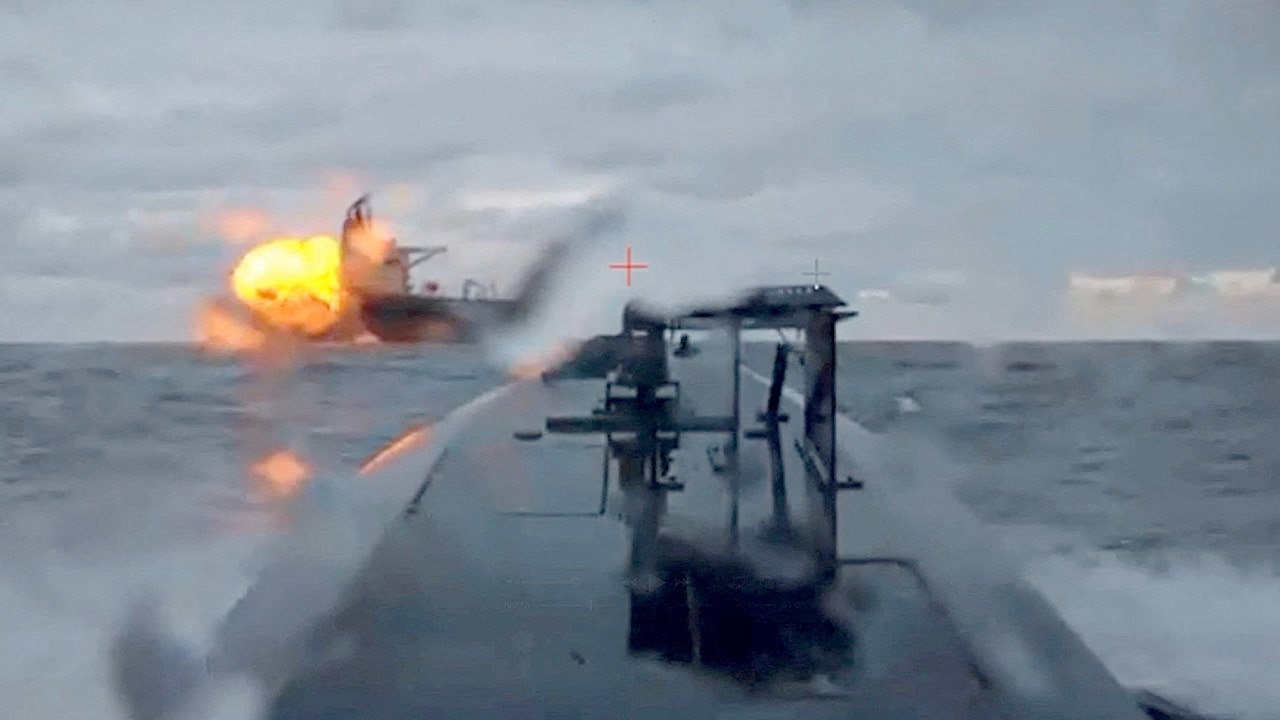

A significant maritime security concern is emerging as a “dark fleet” of approximately 1,000 rogue oil tankers risks geopolitical stability and environmental safety. These vessels engage in the clandestine transport of crude oil, primarily from sanctioned nations like Iran, Venezuela, and Russia. Analysts warn that the ongoing operations by the United States and Ukraine to disrupt these illicit trade routes may escalate tensions further, given the implications of recent seizures and drone strikes in key regions.
| Article Subheadings |
|---|
| 1) Overview of the Dark Fleet Phenomenon |
| 2) Recent Actions by the U.S. and Ukraine |
| 3) Environmental and Safety Concerns |
| 4) Geopolitical Implications |
| 5) Future Outlook |
Overview of the Dark Fleet Phenomenon
The concept of a “dark fleet” has surfaced as a troubling facet of modern maritime trade, particularly concerning oil. Analysts, including senior maritime intelligence expert Michelle Wiese Bockmann, estimate that around 1,000 vessels are actively engaged in the trade of crude oil from sanctioned countries, notably Iran, Venezuela, and Russia. This underground network poses significant challenges in regulating maritime activities and enforcing international laws related to trade sanctions.
Bockmann emphasizes that these vessels serve as a crucial lifeline for the regimes of these nations, enabling them to finance their activities, including the ongoing conflict in Ukraine. The circumvention of sanctions poses both legal and ethical questions, leading to heightened scrutiny from global powers aiming to combat this illicit trade. These movements not only threaten economic stability but also complicate diplomatic relations, necessitating effective intervention strategies from nations like the U.S. and Ukraine.
Recent Actions by the U.S. and Ukraine
Recent developments highlight a shift in tactics by both the United States and Ukraine in their efforts to counteract the operations of the dark fleet. With significant seizures, such as the recent confiscation of the Venezuelan tanker Skipper, as well as targeted drone strikes on several vessels in the Black Sea, both nations are intensifying their strategies to disrupt illegal shipments. Bockmann indicates that these acts signify a new phase in maritime security efforts, where direct action is meant to weaken the financial underpinnings of these regimes.
The Skipper, carrying 1.8 million barrels of oil, is just one example of how these tankers mask their locations and engage in deceptive practices to evade detection. This case is emblematic of broader tactics that involve false flagging and manipulating Automatic Identification System (AIS) data to mislead authorities about their actual whereabouts. The U.S. has adopted legal frameworks like Article 110 of the United Nations Convention on the Law of the Sea to assert jurisdiction over these stateless vessels, marking a critical evolution in international maritime enforcement.
Environmental and Safety Concerns
The proliferation of poorly maintained vessels in the dark fleet raises substantial environmental and navigational risks. Bockmann warns that these ships are often past their operational prime, lacking adequate insurance, and operating under false pretenses. This scenario creates a hazardous environment where the potential for catastrophic oil spills looms large, posing threats to marine ecosystems and coastal communities.
According to Bockmann, the combination of aging technologies and dubious operational standards presents a perfect storm for environmental disasters. As these vessels continue to flout regulations, they not only undermine legal frameworks but also emphasize the urgent need for enhanced international cooperation on maritime safety. Without rigorous enforcement and monitoring systems, the risk of a substantial oil spill disaster remains a stark reality.
Geopolitical Implications
The ongoing operations against the dark fleet have significant geopolitical repercussions that could further strain international relations. As the United States and Ukraine ramp up their initiatives to choke off funding for regimes that threaten global stability, the potential for escalating conflicts increases. Bockmann describes these actions as necessary defensive measures, noting that they fall under the umbrella of combating gray-zone aggression—an ambiguous yet increasingly relevant term in contemporary international relations.
The repercussions of targeting the dark fleet extend beyond immediate military or maritime concerns; they reflect larger strategic goals of deterring illicit oil trading and reinforcing sanctions against hostile nations. Ukraine’s recent operational maneuvers signal a willingness to assert its presence in the Black Sea, which is riddled with risks yet critical for geopolitical navigation amid rising tensions. This proactive stance indicates that both nations are taking assertive steps not just to safeguard their interests but also to contribute to wider global security discussions.
Future Outlook
Looking ahead, the approach to handling the dark fleet necessitates a nuanced strategy combining legal action, military readiness, and diplomatic negotiations. Continual advancements in technology present opportunities for improved detection and response capabilities but also pose challenges as rogue elements find new methods to exploit loopholes in maritime regulations. There is a growing need for international cooperation among maritime nations to address the complexities posed by this clandestine fleet.
Bockmann asserts that future actions must incorporate not only enforcement but also comprehensive policies that address the root causes of such illicit trade. Engaging with nations currently relying on dark fleet operations may provide avenues for diplomatic dialogue that can lead to more sustainable solutions. As the situation evolves, the potential for maritime legal reforms is imperative to bridge current gaps and enhance the effectiveness of international sanctions.
| No. | Key Points |
|---|---|
| 1 | The dark fleet consists of approximately 1,000 vessels transporting oil from sanctioned countries. |
| 2 | The U.S. and Ukraine are ramping up efforts to disrupt illicit oil shipping operations. |
| 3 | Environmental risks associated with these tankers include potential billion-dollar oil spills. |
| 4 | Recent actions reflect a shift in maritime enforcement strategies aimed at countering gray-zone aggression. |
| 5 | Future solutions require international cooperation to improve maritime regulations and enforcement. |
Summary
The emergence of a dark fleet transporting sanctioned oil poses a significant challenge to global maritime security. As the United States and Ukraine adopt more aggressive measures to counter these illicit activities, the broader implications extend well beyond economic impacts to encompass geopolitical dynamics and environmental concerns. Ongoing international cooperation and a multi-faceted strategy are central to addressing this growing threat and ensuring maritime safety.
Frequently Asked Questions
Question: What is the dark fleet?
The dark fleet refers to a network of approximately 1,000 vessels illegally transporting crude oil from sanctioned countries such as Iran, Venezuela, and Russia.
Question: How are the U.S. and Ukraine planning to combat the dark fleet?
Both nations are enhancing their enforcement strategies, including military seizures of vessels and targeted drone strikes to interrupt illicit oil shipments.
Question: What environmental risks are associated with the dark fleet?
The vessels within the dark fleet carry significant environmental risks, including the potential for catastrophic oil spills due to poor maintenance and lack of insurance.
