

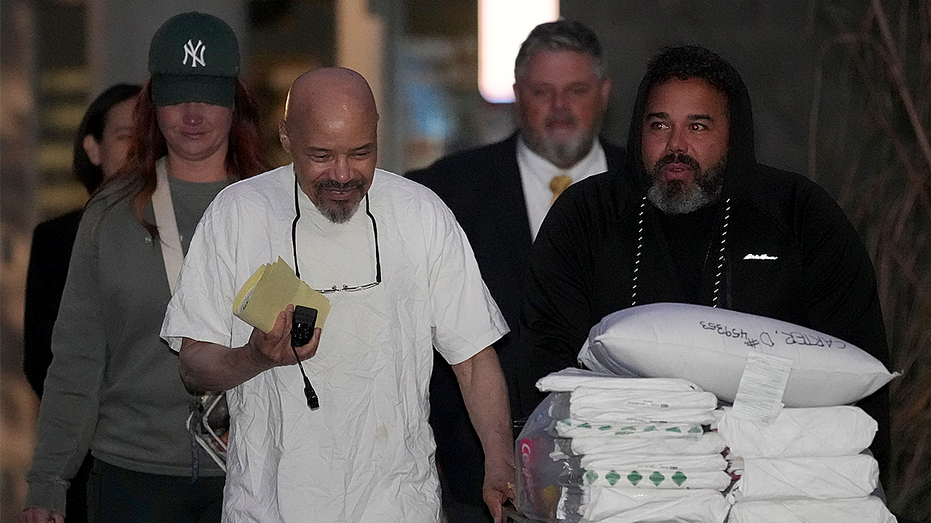

Douglas Stewart Carter, 71, was released from Utah’s death row after newly analyzed DNA evidence excluded him as the source of biological material found on items connected to the 1985 killing of Eva Olesen. Carter spent decades facing execution after a conviction based largely on a disputed confession and testimony later recanted by two witnesses. A judge released him on bail while prosecutors review the case and consider a possible retrial.
| 1) | Release follows DNA testing |
| 2) | The 1985 killing and original conviction |
| 3) | Allegations of coercion and misconduct |
| 4) | Questions about other suspects |
| 5) | Possible retrial and next steps |
Release follows DNA testing
Carter was released late Monday, Sept. 28, 2026, from the Utah County Jail after a judge reassessed his bail. DNA results received Sept. 22 excluded him as a possible contributor to blood found on a doorknob and genetic material recovered from the handle of the knife used to stab Olesen. Judge Derek Pullan said the findings substantially weakened the prosecution’s case, while noting that a jury could still find Carter responsible.
Carter will live in an extended-stay hotel near his son, Tyler Anger, wear a GPS monitor and have no contact with Olesen’s family. The family opposed his release.
The 1985 killing and original conviction
Olesen was found tied up, stabbed and shot inside her Provo home on Feb. 27, 1985. Investigators suspected a robbery. Her husband, Orla Olesen, told police that he found her dead and partially undressed, with her hands tied behind her back. He died in 2009.
Carter was living with his mother in Utah when the killing occurred. He left the state by April, believing he was wanted in an unrelated assault case, and was detained in Nashville two months later. During questioning by a Provo detective, he signed a confession. He later said police threats caused him to falsely admit involvement.
No physical evidence originally connected Carter to the scene. He was convicted after two witnesses said he had bragged about killing Olesen, but both later withdrew their testimony. The defense called no witnesses at the first trial. Carter was sentenced to death again after a 1992 retrial.
Allegations of coercion and misconduct
Carter has consistently maintained that he was innocent and that his confession was coerced. In 2011, attorneys located the two trial witnesses in Mexico. They said police instructed them to lie, provided cash and gifts, and threatened them and one witness’s son with deportation if they did not implicate Carter.
After more than a decade of litigation, the Utah Supreme Court ordered a new trial last year, citing multiple instances of intentional misconduct by police and a prosecutor. The DNA examination followed that ruling and became central to the bail decision. Carter’s attorney, Neal Hamilton, said Carter will need therapy after his extended incarceration and urged prosecutors to dismiss the aggravated murder charge.
Questions about other suspects
Carter’s attorneys said witnesses saw a White man fleeing the scene and that investigators suppressed evidence that could have pointed to other suspects. They also said police were close to charging Orla Olesen before a Provo police lieutenant advised prosecutors to delay.
Prosecutors have not said whether they will use the newly analyzed DNA to search for matching profiles. The testing excludes Carter from the specific samples examined, but it does not identify who left them or establish how the material reached the scene. Theresa Olesen, the victim’s daughter-in-law, said the DNA does not prove Carter was absent and that the family wants the killing resolved.
Possible retrial and next steps
A two-month retrial had been planned for next year, but county prosecutors withdrew a notice stating that they intended to seek the death penalty. Utah County prosecutor Erwin Petilos told the judge that reassessing bail was necessary and fair while the state examines the remaining evidence.
The order does not end the prosecution. Carter remains charged with aggravated murder. Prosecutors must decide whether to proceed, seek dismissal or pursue additional investigative leads.
| Number | Key Point |
|---|---|
| 1 | DNA testing excluded Carter from biological evidence. |
| 2 | He was released on bail with GPS monitoring and contact restrictions. |
| 3 | His conviction relied on a disputed confession and recanted testimony. |
| 4 | The Utah Supreme Court ordered a new trial after citing intentional misconduct. |
| 5 | Prosecutors are reviewing the case and possible investigative leads. |
Summary
Carter’s release follows DNA testing that excluded him from the tested material and renewed challenges to the evidence used to convict him. The findings do not identify Olesen’s killer. Prosecutors are reviewing the pending aggravated murder charge, a possible retrial and other investigative leads.
Frequently Asked Questions
Why was Carter released?
He was released on bail after DNA testing excluded him as a possible source of biological material recovered from evidence.
What restrictions apply to Carter?
He must wear a GPS monitor and may not contact Olesen’s family.
Does the DNA identify the killer?
No. It excludes Carter from the tested samples but does not identify who left the material.
Could Carter face a retrial?
Yes. The aggravated murder charge remains pending while prosecutors review the evidence.
