

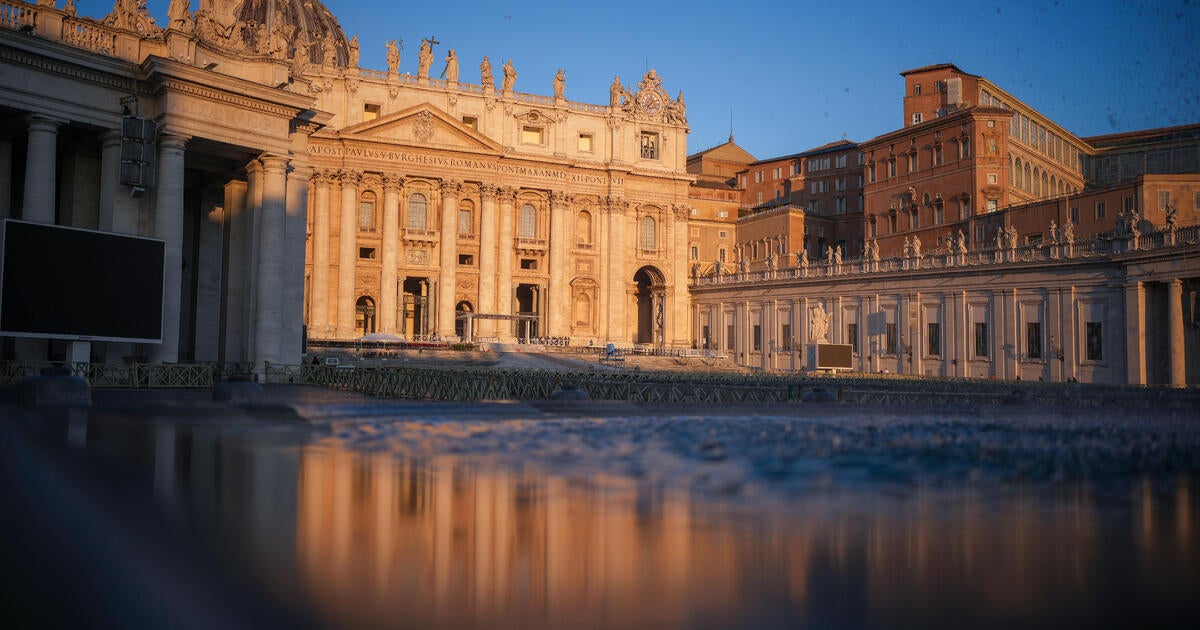

In the wake of concerns surrounding the health of Pope Francis, who has been hospitalized since February 14, 2025, the Vatican finds itself in the spotlight. The pope is currently undergoing treatment for double pneumonia, prompting questions about the functional governance of the Catholic Church in his absence. Given the unique structure of the Vatican’s leadership—as both a religious and political entity—officials must navigate the complexities of papal authority and succession. This article explores the significant roles within the Vatican, the protocols that come into play if a pope is incapacitated, and the broader understanding of the church’s governance.
| Article Subheadings |
|---|
| 1) Understanding the Power Structure of the Vatican |
| 2) The Role of the Cardinals in Succession |
| 3) The Significance of the Camerlengo |
| 4) Candidates for Papacy and Their Backgrounds |
| 5) The Vatican’s Unique Nature and Challenges |
Understanding the Power Structure of the Vatican
The Vatican serves as the spiritual and administrative center of the Catholic Church, which is a unique combination of religious and political governance. At the heart of its authority is the pope, who functions as both the spiritual leader of Catholics worldwide and the head of the Vatican City state. The governance of the church involves the Roman Curia, which acts effectively as the papal bureaucracy, implementing the pope’s directives across the globe.
Within the Curia, a variety of dicasteries—equivalent to departments—manage different aspects of church life. Each key official assists in overseeing the church’s operations, making recommendations to the pope and implementing policies. The Curia’s complexity reflects the substantial workload of the pontiff, who must address issues ranging from international relations to doctrinal disputes.
In this context, the most influential officials work closely with the pope to shape church policy. For instance, the Secretariat of State, led by Cardinal Pietro Parolin, plays a crucial role in managing foreign relations, liaising with governments and international organizations to advance the Vatican’s diplomatic agenda. Other influential positions include the heads of various dicasteries, such as the Dicastery for Doctrine of the Faith and the Dicastery for Bishops, who guide fundamental aspects of church doctrine and episcopal appointments, respectively. This power structure ensures that the pope’s vision is operationalized effectively.
The Role of the Cardinals in Succession
In the event that a pope passes away or is unable to fulfill his duties, the governance of the Catholic Church transitions to the College of Cardinals. This group serves as a caretaker leadership, tasked with managing church affairs until a new pope is elected. However, the College’s ability to make substantive decisions is circumscribed, as they cannot alter existing church laws or doctrines or make significant policy changes during this interim period.
The College of Cardinals is comprised of bishops and archbishops from around the world who have been elevated by the pope to this distinguished position of authority. While they hold significant sway within the church, their power is primarily concentrated on conducting the conclave—a period of private deliberation aimed at electing a new pope. Only cardinals under the age of 80 are eligible to vote, ensuring that the decision-making body reflects contemporary ecclesiastical concerns.
During an interregnum, the activities of the church proceed on a day-to-day basis, but without the capacity for major developments like appointing bishops or initiating new diplomatic endeavors. This pause in significant matters underscores the rigidity of church governance, which relies heavily on the presence of a pope to guide its direction.
The Significance of the Camerlengo
One of the pivotal figures during the transition period is the Camerlengo, traditionally one of the Cardinals appointed to oversee the day-to-day duties of the Vatican. The primary responsibility of the Camerlengo includes confirming the pope’s death or resignation, which requires discreet and privileged access to sensitive information. Following this confirmation, the Camerlengo assumes oversight of the Vatican’s assets and property, coordinating arrangements for the funeral and the subsequent conclave.
The role of the Camerlengo is critical during this transitional phase. After the passing of a pope, the Camerlengo maintains control until a new pope is chosen, but this power is limited and focuses on ensuring smooth operational continuity rather than altering church policy. This framework keeps the Vatican’s administrative functions intact, providing stability while the College of Cardinals prepares for the next papal election.
Insights into this role highlight the delicate balance maintained within the Vatican, ensuring that the leadership transition does not disrupt the church’s activities or pose a risk to its governance structure. The careful orchestration of this process reflects a deeply rooted tradition that has evolved over centuries.
Candidates for Papacy and Their Backgrounds
The question of who will be the next pope is often a topic of much speculation among analysts and the faithful alike. As seen with previous elections, not all cardinals serving within the Curia are necessarily considered viable candidates for the papacy. For instance, Pope Francis himself had not served in the Curia prior to his election, differentiating him from many predecessors.
Typically, candidates for the papacy have held senior ecclesiastical positions and often feature extensive experience in management roles within the church. Recent popes have often possessed a background in curial roles, although departures from this norm illustrate the diverse paths to the papacy. A key aspect influencing their candidacy revolves around a cardinal’s perspective on contemporary issues and their alignment with the Vatican’s ongoing focus on synodal governance and global engagement.
The College of Cardinals will ultimately determine the next papal figure, addressing contemporary societal needs while remaining anchored in the doctrinal fundamentals of the Catholic Church. This complex interplay between tradition and modernity embodies the challenges facing the next pope.
The Vatican’s Unique Nature and Challenges
The Vatican City, as a political entity and religious institution, has few parallels in the world today. With roots that trace back nearly 2,000 years, it functions beyond a mere historical or religious institution; it embodies a tradition replete with ceremonial practices and a hierarchical structure that has withstood the tests of time.
However, the unique nature of the Vatican also presents challenges. It must navigate complex social, political, and religious landscapes while adapting to modern realities. Despite being relatively small compared to other global institutions, the Vatican grapples with issues like financial transparency and the need for renewal amidst various scandals. While it has considerable wealth, the operational budget and workforce reflect that of more modest institutions, encompassing about 2,000 employees and annual operating costs approaching $835 million.
The friction between its esteemed traditions and the need for reform underscores the dialogue prevalent in ecclesiastical circles today. The Vatican embodies a rich history while seeking to address contemporary challenges, all of which are magnified in periods of transition.
| No. | Key Points |
|---|---|
| 1 | Pope Francis is currently hospitalized for treatment of double pneumonia. |
| 2 | The governance of the Catholic Church shifts to the College of Cardinals in case of papal incapacity. |
| 3 | The Camerlengo plays a crucial role in managing the transition following a pope’s death or resignation. |
| 4 | Candidates for the papacy often have extensive backgrounds in ecclesiastical leadership and curial roles. |
| 5 | Vatican City’s unique governance structure faces both historical and modern challenges. |
Summary
The health condition of Pope Francis has elicited considerable attention, presenting a critical moment for the Catholic Church as it navigates the intricate power structures within the Vatican. With a clear succession protocol governed by the College of Cardinals and specific roles like the Camerlengo ensuring continuity, the church is prepared to face any eventualities. As custodians of nearly 2,000 years of tradition, these leaders are tasked with balancing the mission of the Church in contemporary society while respecting its historical legacy. This ongoing dynamic exemplifies the intersection of faith, governance, and adaptation in a rapidly changing world.
Frequently Asked Questions
Question: What happens to the church’s governance if a pope dies or resigns?
In the event of a pope’s death or resignation, the governance of the Catholic Church falls to the College of Cardinals, which serves as a caretaker government until a new pope is elected. During this time, no significant decisions can be made, and the church’s daily functions proceed without the ability to appoint new bishops or engage in new diplomatic initiatives.
Question: Who is responsible for confirming a pope’s death?
The Camerlengo is the cardinal tasked with confirming the pope’s death or resignation. Following this, the Camerlengo manages the Vatican’s property and coordinates arrangements for the upcoming conclave where a new pope will be elected.
Question: What is the role of the College of Cardinals?
The College of Cardinals is composed of senior bishops who assist in governing the church, particularly during the interregnum that follows a pope’s death or resignation. They are responsible for preparing for and conducting the conclave, where they elect the new pope, but cannot make major decisions on church doctrine or governance during this period.
